Choosing among the 2026 Top Alkaline Zinc Electroplating Suppliers requires more than comparing prices or polished websites. A dependable supplier should demonstrate practical experience with alkaline zinc systems, stable coating performance, and responsive technical support. Their process knowledge should cover rack and barrel plating, zincate control, brightener management, filtration, and post-treatment compatibility. Ask for measurable evidence, not broad promises. Useful records include coating thickness results, salt spray testing, bath analysis, production capacity, and documented quality procedures.
The strongest suppliers usually explain how they manage real production problems. These may include uneven deposits on recessed parts, hydrogen bubbling, poor adhesion, or color changes after passivation. Small details matter. Can they recommend current density ranges? Do they provide bath maintenance guidance? Are sample panels or trial batches available before a long-term contract? Factory visits, customer references, and independent test reports can improve confidence, although none should be accepted without careful verification. Claims about “best” performance can be difficult to compare because testing conditions vary. That deserves attention. A supplier may perform well on automotive fasteners but struggle with complex castings or high-volume barrel work. This guide examines leading candidates through technical capability, consistency, service, sustainability practices, and total operating value. It also recognizes an uncomfortable point: supplier rankings can change quickly when raw material costs, equipment reliability, or regional support shifts. Buyers should therefore treat this overview as a practical starting point, then confirm current specifications directly with each supplier.
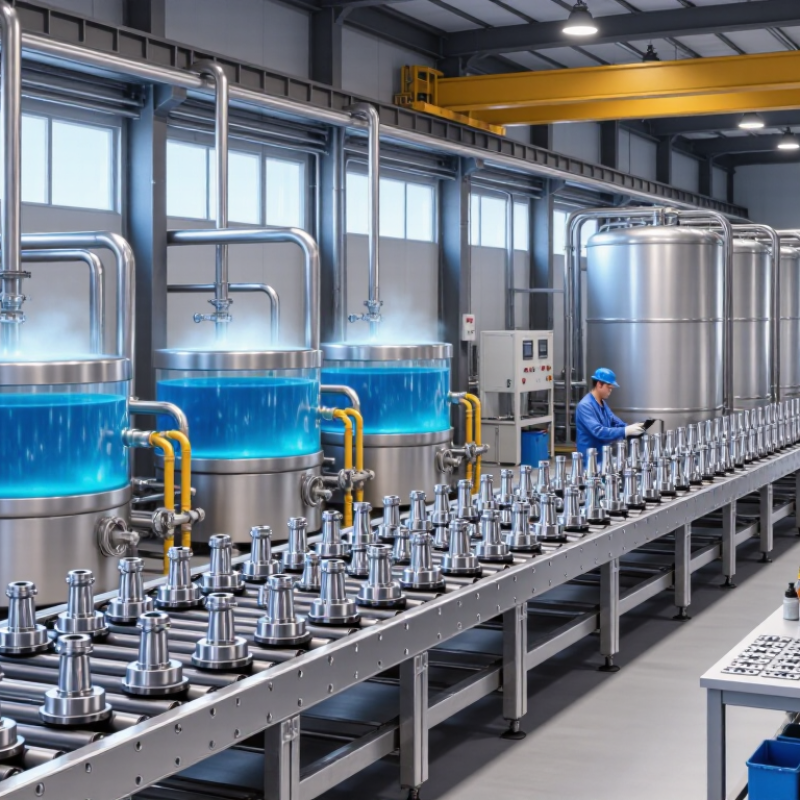
What Is Alkaline Zinc Electroplating?
Alkaline zinc electroplating deposits a thin zinc layer onto steel through an electrically driven chemical reaction. The bath usually contains zinc compounds, alkaline agents, complexing additives, brighteners, and wetting agents. In production, steel parts act as the cathode, while zinc dissolves from anodes or replenishing chemicals. Zinc ions move through the solution and form a protective metallic film on the surface.
The process operates at moderate temperatures, often near room temperature, which helps reduce thermal distortion in small fasteners and stamped parts. It also provides strong coverage inside recesses when agitation and current distribution are controlled. The U.S. Geological Survey’s Mineral Commodity Summaries 2025 estimated global zinc mine production at about 12 million metric tons in 2024. That supply supports extensive corrosion-protection applications, although mining volume does not guarantee consistent plating quality.
In the workshop, bath balance matters more than impressive equipment. A slightly incorrect zinc concentration can produce dull areas, burning, or uneven thickness near sharp edges. Operators should check pH, temperature, current density, and metal contamination regularly. ISO 2081 and ASTM B633 provide recognized guidance for zinc coatings on iron and steel. Alkaline systems generally offer good throwing power and stable appearance, yet they are not perfect. Poor cleaning still causes blistering. Salt-spray results can also mislead when parts lack realistic scratches, threads, or assembly stress.
2026 Top Alkaline Zinc Electroplating Suppliers? — What Is Alkaline Zinc Electroplating?
Alkaline zinc electroplating deposits zinc onto iron or steel from a strongly alkaline electrolyte, commonly using zinc compounds and sodium hydroxide. The process is valued for uniform coverage, corrosion protection, and compatibility with complex-shaped parts.
The chart shows representative nominal zinc coating thickness classes used for electroplated zinc specifications. Actual thickness selection depends on the substrate, service environment, dimensional tolerance, and applicable customer or industry standard. Thickness classes are based on designations commonly referenced in ISO 2081.
How Alkaline Zinc Electroplating Works
How Alkaline Zinc Electroplating Works
Alkaline zinc electroplating deposits a protective zinc layer onto steel through an electric current. The cleaned steel part acts as the cathode inside an alkaline bath. Zinc exists mainly as soluble zincate complexes, while the anode completes the electrical circuit. When current flows, zinc ions receive electrons and form metallic zinc on the steel surface.
Surface preparation controls the result more than many buyers expect. Oil, rust, and oxide films can cause bare spots or weak adhesion. Operators usually clean, rinse, activate, and rinse the parts before plating. The bath temperature, zinc concentration, hydroxide level, and current density must remain within controlled ranges. Too much current can create rough edges. Too little can produce thin or uneven coverage.
A stable process needs regular testing.
Barrel systems suit small components, while rack systems support larger or delicate parts. After plating, rinsing removes alkaline residues, and a suitable conversion treatment can improve corrosion resistance. Thickness checks, adhesion tests, and visual inspection provide practical evidence of process control. In my experience, suppliers should explain these controls clearly, not only advertise output capacity. A perfect-looking sample may hide poor consistency across a full production load. Bath aging, part geometry, and operator technique still require honest review.
Key Criteria for Evaluating Suppliers in 2026
2026 Top Alkaline Zinc Electroplating Suppliers?
Key Criteria for Evaluating Suppliers in 2026
Selecting an alkaline zinc electroplating supplier requires more than comparing quoted prices. A reliable supplier should provide bath chemistry records, process limits, and recent quality data. Ask how they control zinc concentration, caustic level, temperature, and additive balance during production. Small chemical changes can alter brightness, thickness, and adhesion.
Request sample parts using your actual steel grade, geometry, and masking requirements. Check coating thickness at edges, recesses, and high-current areas. Review adhesion, corrosion resistance, hydrogen embrittlement controls, and post-treatment compatibility through documented testing. Independent laboratory results are useful, but test methods must match your specification. A polished report is not enough.
Supplier experience should include pilot runs, process troubleshooting, and corrective-action discipline. Examine lot traceability from incoming materials to final inspection. Also review wastewater controls, worker training, and chemical handling records. Details matter. Very few suppliers are perfect. A promising supplier may still lack capacity during peak demand or struggle with a new fastener design. Conduct a controlled trial, define acceptance limits, and inspect repeat batches before approving production. My evaluation would leave room for doubt: one successful sample proves capability, not consistency.
Leading Alkaline Zinc Electroplating Suppliers for 2026
Leading alkaline zinc electroplating suppliers for 2026 will be judged by more than price. Experienced buyers should examine bath stability, coating consistency, technical support, and documented quality controls. Reliable suppliers can explain zinc concentration, caustic levels, brightener management, and current-density limits in practical terms. They should also provide test data for thickness, adhesion, corrosion resistance, and hydrogen-related risks. Ask how they handle production changes, because laboratory results may not match a busy plating line.
Strong suppliers offer process guidance before shipment. Look for clear recommendations on pretreatment, rinsing, filtration, anode design, and wastewater control. Their engineers should understand different substrates, including steel castings, stamped parts, and high-strength components. Independent audits and traceable batch records add credibility. Still, no supplier is perfect. Support response times can vary, and some technical documents may feel too general for complex applications. A small production trial remains essential.
Tips: Request a sample process sheet and recent quality records. Compare coating thickness at edges, recesses, and high-current areas. Confirm whether the supplier supports on-site troubleshooting. Measure bath performance over several shifts, not one test. Keep written records of temperature, amperage, pH, and chemical additions. If results drift, investigate pretreatment and rinsing before blaming the plating chemistry. This simple step is often missed.
2026 Top Alkaline Zinc Electroplating Suppliers? - Leading Alkaline Zinc Electroplating Suppliers for 2026
| Supplier Profile |
Typical Service Region |
Recommended Production Type |
Typical Zinc Coating Thickness |
Typical Current Density |
Typical Bath Temperature |
Common Post-Treatment |
Relevant Standards |
| High-Volume Automotive Plating Supplier |
North America, Europe, and East Asia |
Automated barrel and rack lines for fasteners, brackets, and stamped parts |
8–15 μm |
0.5–3.0 A/dm² |
20–35°C |
Trivalent passivation and sealer |
ISO 2081, ASTM B633, RoHS, REACH |
| Precision Rack-Plating Supplier |
Europe, Japan, South Korea, and North America |
Rack plating for visible, dimensional, or high-value components |
5–25 μm |
0.5–2.5 A/dm² |
20–30°C |
Trivalent clear, blue, black, or iridescent passivation |
ISO 2081, ASTM B633, ISO 4520 |
| Small-Part Barrel-Plating Supplier |
China, Southeast Asia, India, and Eastern Europe |
Continuous or batch barrel plating for small metal parts |
5–15 μm |
0.2–1.5 A/dm² |
20–35°C |
Trivalent passivation, drying, and optional sealer |
ISO 2081, ASTM B633, ISO 4042 |
| Corrosion-Performance Specialist |
Global export markets |
Components requiring enhanced neutral salt-spray performance |
8–20 μm |
0.5–2.5 A/dm² |
20–32°C |
Trivalent passivation plus organic or inorganic sealer |
ASTM B117, ISO 9227, ISO 2081, ASTM B633 |
| Environmental-Compliance Focused Supplier |
European Union, United Kingdom, and North America |
Low-emission production for regulated supply chains |
5–15 μm |
0.5–2.0 A/dm² |
20–30°C |
Trivalent passivation with documented restricted-substance control |
RoHS, REACH, ISO 14001, ISO 2081 |
| Prototype and Low-Volume Supplier |
Local and regional industrial markets |
Prototype, maintenance, repair, and low-volume production orders |
5–12 μm |
0.3–2.0 A/dm² |
20–35°C |
Clear or colored trivalent passivation |
ASTM B633, ISO 2081, ISO 9001 |
Data note: The technical values shown are representative industry ranges for alkaline non-cyanide zinc electroplating and are not claims about any specific company or brand. Actual results depend on bath chemistry, substrate, part geometry, pretreatment, current distribution, coating thickness, and post-treatment. Salt-spray results should be verified using the agreed test method and acceptance criteria.
How to Select the Right Alkaline Zinc Plating Supplier
How to Select the Right Alkaline Zinc Plating Supplier
Selecting an alkaline zinc plating supplier requires more than comparing prices. Examine their experience with your metal grades, part sizes, and production volumes. Ask how they control bath chemistry, temperature, current density, and coating thickness. Real evidence matters. Request sample reports, process records, and recent quality data. A capable supplier should explain defects without hiding behind technical terms.
Check whether the supplier can match your required thickness, appearance, adhesion, and corrosion performance. Ask about salt spray testing, hydrogen-relief procedures, wastewater controls, and inspection equipment. Their laboratory should use calibrated instruments and retain test samples. Visit the facility if possible. You can notice cleaning discipline, tank maintenance, and operator training within minutes. A polished presentation is not enough.
Review capacity before signing a long-term agreement. Confirm lead times, backup equipment, packaging methods, and communication during urgent changes. Compare the complete cost, including rejected parts, transport, testing, and corrective work. A low quote can become expensive. One lesson from shop-floor trials is simple: never approve a supplier from paperwork alone. Run a controlled pilot batch using difficult parts, tight corners, and your actual substrate. If results vary, ask for root-cause evidence and a revised control plan. I would also record every assumption, because small details are often missed during early discussions.
FAQS
An electric current deposits metallic zinc onto cleaned steel surfaces. The steel acts as the cathode inside an alkaline bath. Zinc compounds receive electrons and form a protective coating.
Oil, rust, and oxide films can cause bare spots or weak adhesion. Operators usually clean, rinse, activate, and rinse the parts. Small preparation errors can create large coating problems.
Monitor bath temperature, zinc concentration, hydroxide level, and current density. Excessive current may create rough edges. Insufficient current can produce thin or uneven coverage. Regular testing is essential.
Barrel systems suit small components that can move freely. Rack systems support larger, delicate, or shape-sensitive parts. Part geometry should guide the choice, not habit alone.
Rinsing removes alkaline residues from the surface. A suitable conversion treatment may improve corrosion resistance. Thickness checks, adhesion tests, and visual inspections confirm practical results.
Request process sheets, recent quality records, and test data. Review thickness, adhesion, corrosion resistance, and hydrogen-related risk controls. Ask how the supplier manages bath chemistry and production changes.
Laboratory results may differ from a busy production line. Test difficult parts, tight corners, recesses, and the actual steel grade. One sample is not enough. Variation often appears later.
Record temperature, amperage, pH, chemical additions, coating thickness, and inspection results. Compare measurements across several shifts. If results drift, review cleaning and rinsing before blaming the chemistry. This step is often missed.
Conclusion
This guide explains what Alkaline Zinc Electroplating is, how the process works, and why it is widely used to improve the corrosion resistance, appearance, and service life of metal components. It outlines the main stages, including surface preparation, alkaline zinc deposition, rinsing, passivation, and quality inspection, while highlighting the importance of consistent coating thickness, adhesion, uniformity, and environmental control.
The article also presents key criteria for evaluating suppliers in 2026, such as technical expertise, production capacity, process reliability, testing capabilities, customization options, delivery performance, safety management, and commitment to sustainable operations. It offers a practical framework for comparing leading suppliers without focusing on specific brands and concludes with guidance on selecting a partner that matches product requirements, industry standards, budget, lead times, and long-term quality expectations.

 HIYIE
HIYIE