Explore our high-performance electroplating carrier chemistries, anti-corrosion passivations, and specialized surface treatment systems.
SUZHOU HIYIE CHEMICAL CO., LTD. is a leading manufacturer of organic chemical products and specialized metal electroplating chemicals. Our comprehensive portfolio spans surface finishings for consumer electronics, advanced telecommunications infrastructure, semiconductor frameworks, precision automotive hardware, and craft gifts.
Guided by our dedication to material innovation, Hiyie Chemical has constructed a collaborative network with domestic and international research institutions and top-tier universities. Through these partnerships, we operate a specialized Mobile R&D Center, actively identifying and solving critical production bottlenecks and electrochemical challenges across our client base. Since our founding, we have established advanced research facilities in Wuhan and Shanghai. Our logistics and application support networks extend across major manufacturing hubs, including the Pearl River Delta, Yangtze River Delta, and the Bohai Rim region.
We are a verified supplier to global enterprises, delivering chemical technologies to industry leaders such as Foxconn Technology Group, Qinghai Salt Lake Group, Chint Group, Hongbao Group, Stanley Group, and Shifeng Group. This robust validation demonstrates our commitment to consistent quality control, reliable chemistry, and technical support.
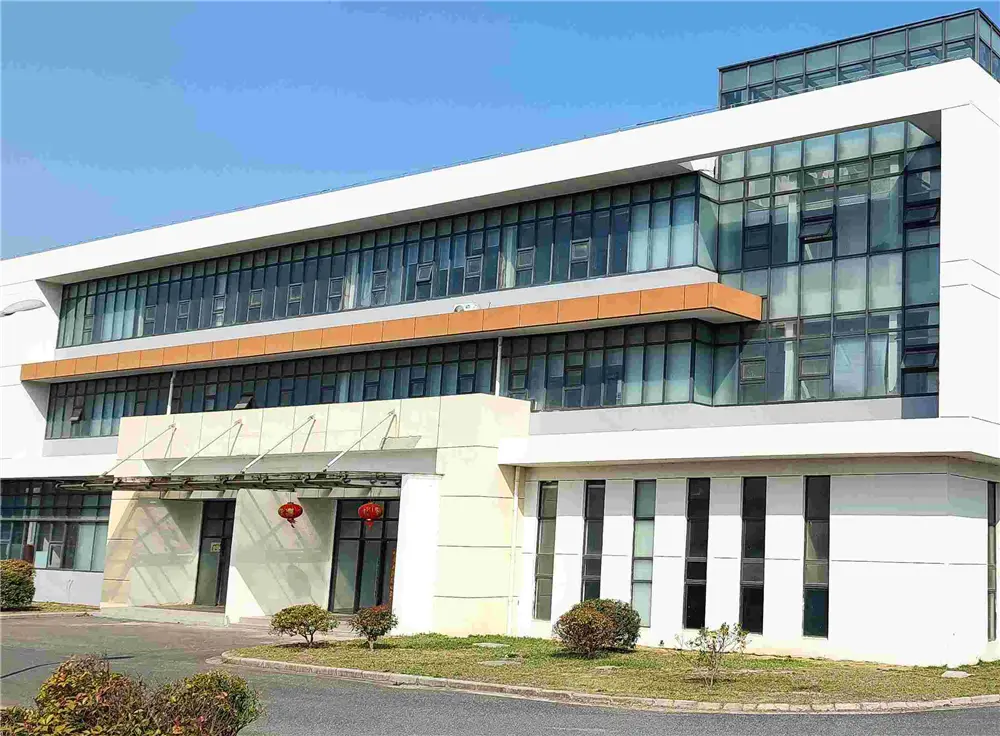
Combining chemical engineering, customer-focused R&D, and post-implementation support to secure your operations.
Our staff includes PhD electrochemists, application engineers, and compliance experts who ensure consistent, reliable bath operations at your facility.
We offer customized chemical synthesis, adjusting carrier and brightener ratios to match specific line speeds, current densities, and substrate requirements.
We prioritize eco-friendly alternatives, including cyanide-free zinc formulations and trivalent passivation systems that meet RoHS and REACH standards.
We provide on-site diagnostics, bath analysis, Hull cell testing, and troubleshooting support to maintain high first-pass yields.
Proven surface-finishing technologies designed to meet strict regulatory and process requirements.

Trained technicians managing customer challenges and plating line setups.

Continuous development of brighteners and surfactants to optimize bath performance.

Cyanide-free systems and trivalent chromium lines to support sustainable manufacturing.

On-site service and troubleshooting to minimize downtime.
Technical insights into modern electroplating science, chemistry selection, and surface optimization.
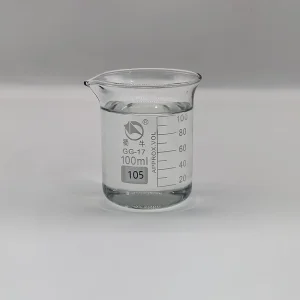
In industrial electroplating, achieving a uniform metal layer requires precise electrochemical control. In chrome and nickel baths, surfactants act as specialized carriers. Formulation additions, such as Chrome Plating Carrier 105, manage the cathodic polarization curve. By temporarily adsorption on high-current-density peaks of the substrate, the carrier restricts localized metal ion deposition. This process distributes current density more evenly across the component, refining the grain structure and preventing surface defects like burning, nodulation, or dendritic growth.
Driven by environmental regulations, including REACH and RoHS, the metal finishing industry continues to transition away from hexavalent chromium (Cr6+). Trivalent passivation systems, such as the ZN-318 Blue Trivalent Zinc-Nickel Passivation and 216 High Corrosion-resistant Iridescent Trivalent Zinc Passivation, offer a path forward. These chemistries form a protective layer over zinc-alloy coatings, providing reliable corrosion resistance without the health and environmental risks associated with hexavalent chromates.
Unlike electrodeposition, electroless nickel plating relies on a controlled autocatalytic chemical reaction to deposit a nickel-phosphorus alloy. The phosphorus content determines the coating's physical properties:
Industrial purchasing managers face the challenge of sourcing chemical additives that deliver consistent results across different global manufacturing sites. Slight variations in bath concentration, impurity tolerance, or current efficiency can cause production delays, increase reject rates, and disrupt downstream assembly.
Suzhou Hiyie Chemical addresses these challenges through comprehensive batch-to-batch quality control. We analyze our products using advanced techniques, including ICP-OES, HPLC, and cyclic voltammetric stripping (CVS). This rigorous quality assurance helps ensure that our brighteners, carriers, and passivations perform consistently, whether they are used in automated rack lines in Shenzhen or high-volume barrel lines in North America.
Our solutions are designed to support regulatory compliance worldwide, helping electronics manufacturers and automotive suppliers meet regional standards like the EU RoHS Directive, US EPA guidelines, and Chinese national VOC limits.

Aligning our product development with the evolving needs of industrial manufacturing and environmental sustainability.
Developing chromium mist suppressants that eliminate fluorinated surfactants (PFOS/PFOA) while maintaining effective surface tension reduction in hexavalent chrome baths where they are still used.
Optimizing systems like 372 Alkaline Cyanide-Free Copper Plating to deliver the adhesion and throwing power of traditional cyanide copper plating without its associated toxicity and safety risks.
Enhancing the high-temperature stability of the 6185 Alkaline Zinc-Nickel Plating bath, ensuring a consistent 12-15% nickel alloy distribution across complex geometries.
Years R&D Experience
Advanced Laboratories
Global Corporate Clients
RoHS/REACH Compliant Solutions
Answers to common technical questions regarding chemistry selection, bath management, and application parameters.
Our specialized alloy platings, trivalent passivations, and electroless nickel systems engineered for complex industrial applications.
 HIYIE
HIYIE