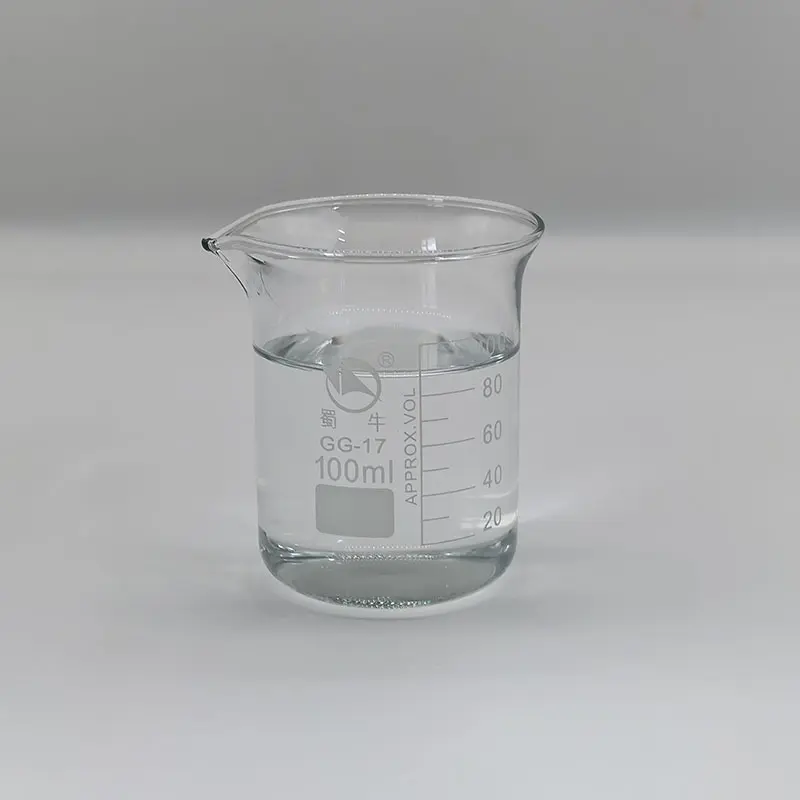
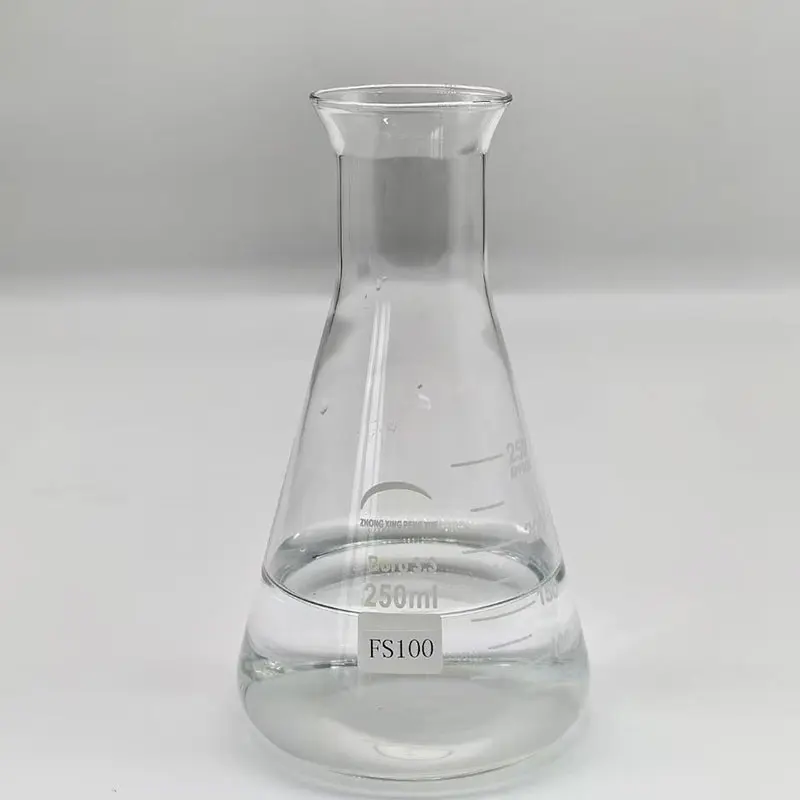
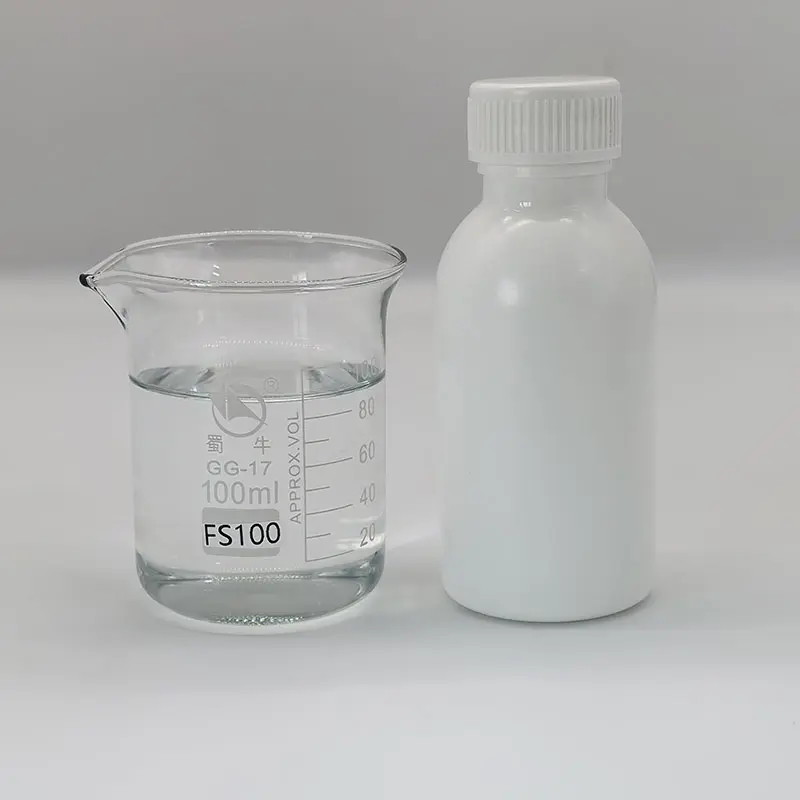
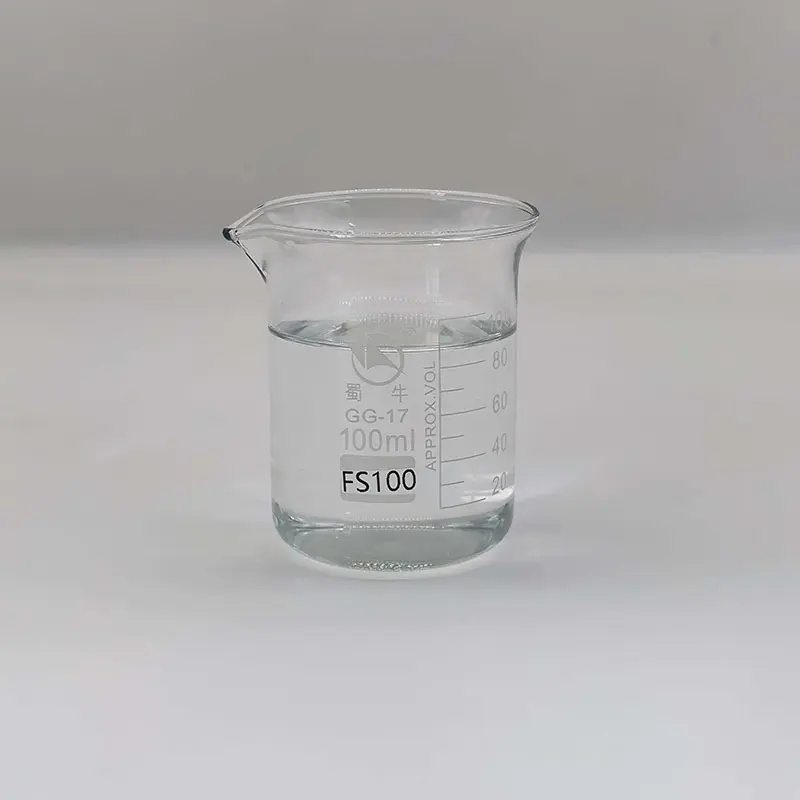
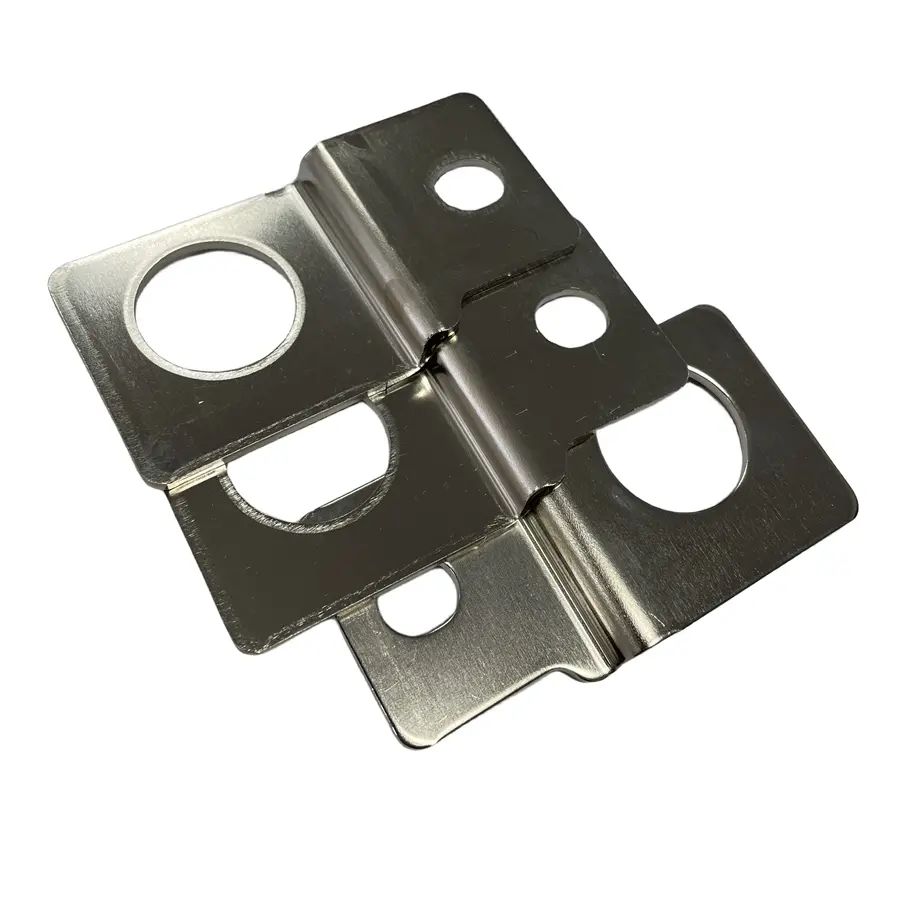
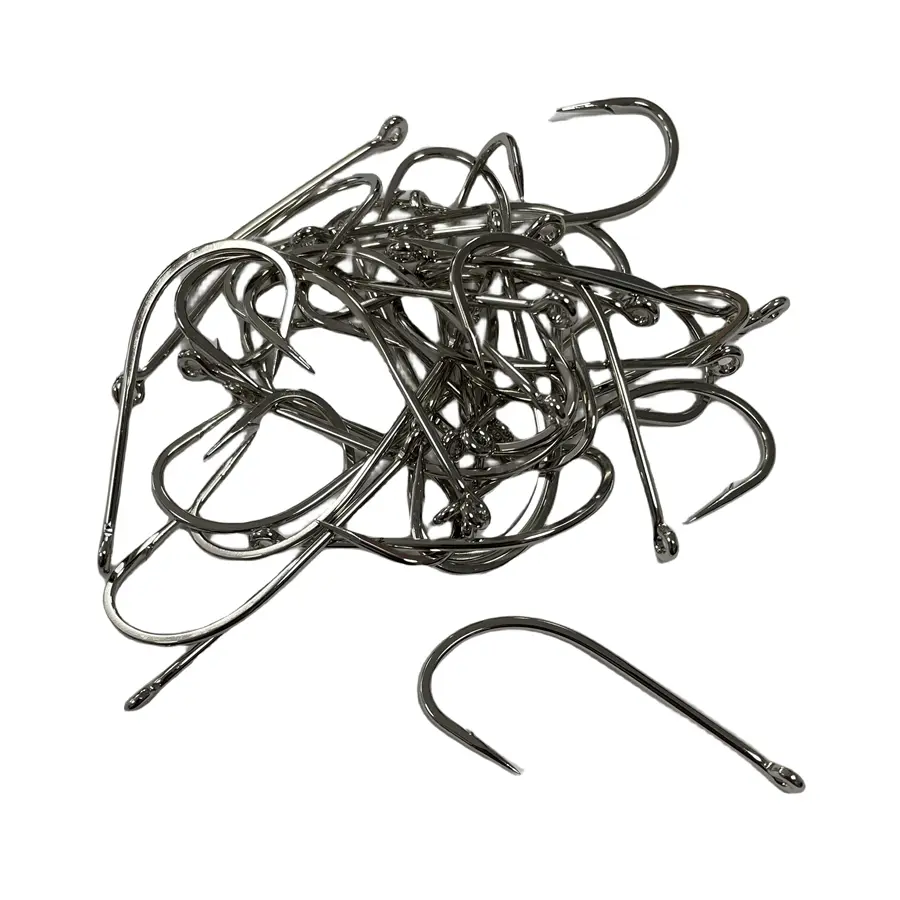
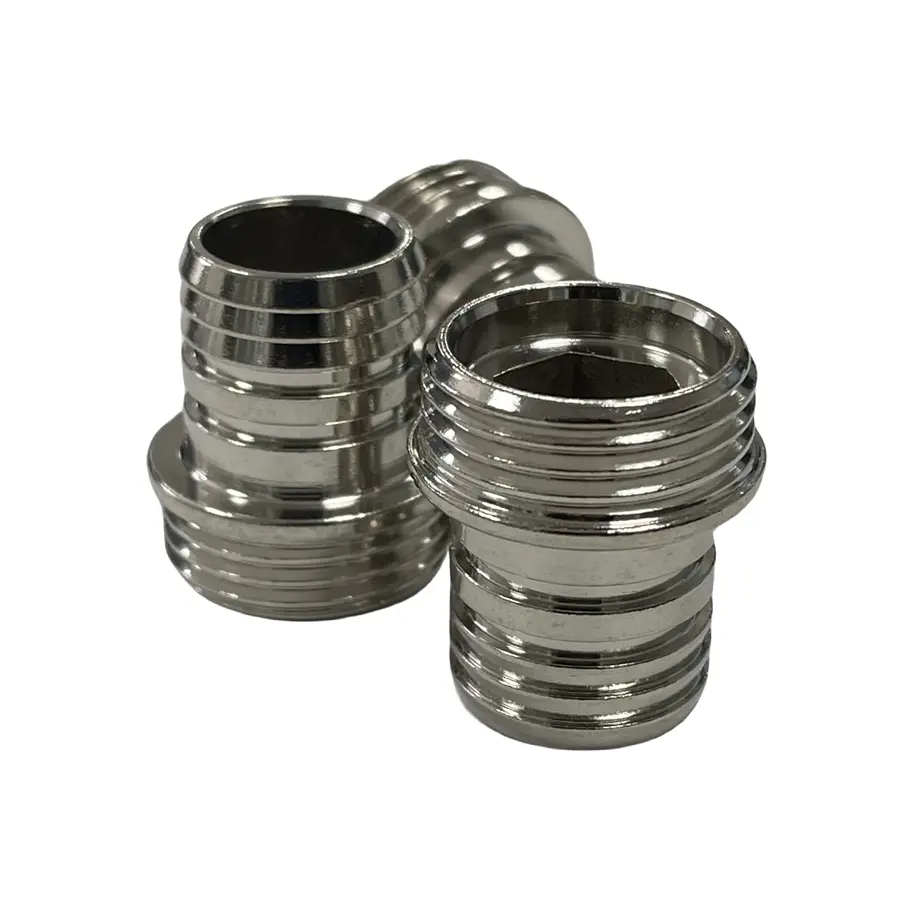
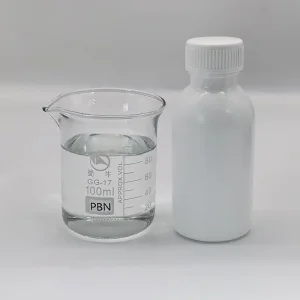
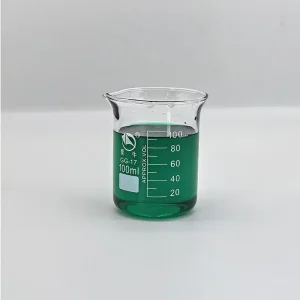
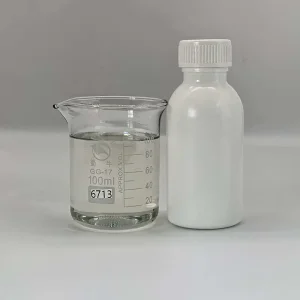
FS100 Semi-bright Nickel Plating is renowned for its ability to deposit a low-stress, sulfur-free nickel layer with excellent micro-throwing power and macro-throwing power, ensuring consistent coverage even on complex substrates.
FS100 Semi-bright Nickel Plating is renowned for its ability to deposit a low-stress, sulfur-free nickel layer with excellent micro-throwing power and macro-throwing power, ensuring consistent coverage even on complex substrates. The electrolyte formulation is specifically designed to produce a semi-lustrous finish with a fine-grained structure, which serves as an ideal foundation for subsequent bright nickel or chromium layers in multi-layer plating systems. The absence of sulfur in the deposit is critical for maintaining the electrochemical potential difference between the semi-bright and bright nickel layers, which is essential for achieving superior corrosion resistance through the mechanism of sacrificial protection.
The bath chemistry is highly stable, with excellent tolerance to organic and metallic impurities, ensuring consistent performance over extended periods of operation. The leveling agents and wetting agents in the formulation contribute to the smoothness and uniformity of the deposit, while minimizing the risk of pitting or roughness. The process operates within a wide current density range, making it suitable for both rack plating and barrel plating applications. The operating temperature is typically maintained between 50°C and 60°C, optimizing the deposition rate and coating quality.
The adhesion of the semi-bright nickel layer to the substrate is exceptional, making it compatible with a variety of base materials, including copper, steel, and zinc alloys. This versatility makes FS100 an excellent choice for decorative, functional, and corrosion-resistant applications. The filling ability of the process is particularly noteworthy, as it effectively covers micro-defects and surface irregularities, providing a uniform and defect-free coating. The potential difference between the semi-bright and bright nickel layers, typically ranging from 125mV to 140mV, ensures optimal galvanic protection in corrosive environments.
Furthermore, the anode efficiency is maximized through the use of high-purity nickel anodes, which are carefully selected to minimize sludge formation and maintain bath clarity. The filtration system is designed to remove particulate contaminants, further enhancing the bath life and reducing maintenance requirements. Post-plating, the semi-bright nickel layer can be easily activated for subsequent plating processes, ensuring strong interlayer adhesion and overall durability. In summary, FS100 Semi-bright Nickel Plating is a highly reliable and versatile process, offering exceptional coating uniformity, corrosion resistance, and compatibility with multi-layer nickel plating systems.
Frequently Asked Questions
Q1: What are the main characteristics of the FS100 Semi-bright Nickel Plating deposit?
It deposits a low-stress, sulfur-free nickel layer that features exceptional micro-throwing and macro-throwing power, ensuring highly uniform coverage even on complex geometries and substrates.
Q2: Why is the absence of sulfur in the nickel layer important?
The absence of sulfur maintains the electrochemical potential difference (typically 125mV to 140mV) between the semi-bright and subsequent bright nickel layers. This difference is critical for achieving optimal galvanic protection and superior corrosion resistance.
Q3: What is the recommended operating temperature range for the FS100 process?
The operating temperature of the plating bath is typically maintained between 50°C and 60°C to optimize both the deposition rate and overall coating quality.
Q4: Which base materials are compatible with this plating process?
FS100 exhibits exceptional adhesion, making it compatible with a wide range of substrates including copper, steel, and various zinc alloys for decorative or functional applications.
Q5: How does the FS100 process ensure a smooth and defect-free finish?
The formulation includes advanced leveling and wetting agents that minimize the risk of pitting or roughness, effectively filling micro-defects and surface irregularities to produce a smooth, semi-lustrous finish.
Q6: How is the bath clarity and longevity maintained during operation?
Bath clarity is maintained by using high-purity nickel anodes that minimize sludge formation, combined with a filtration system designed to continuously remove particulate contaminants, extending the overall bath life.
 HIYIE
HIYIE