 HIYIE
HIYIE
1 / 5
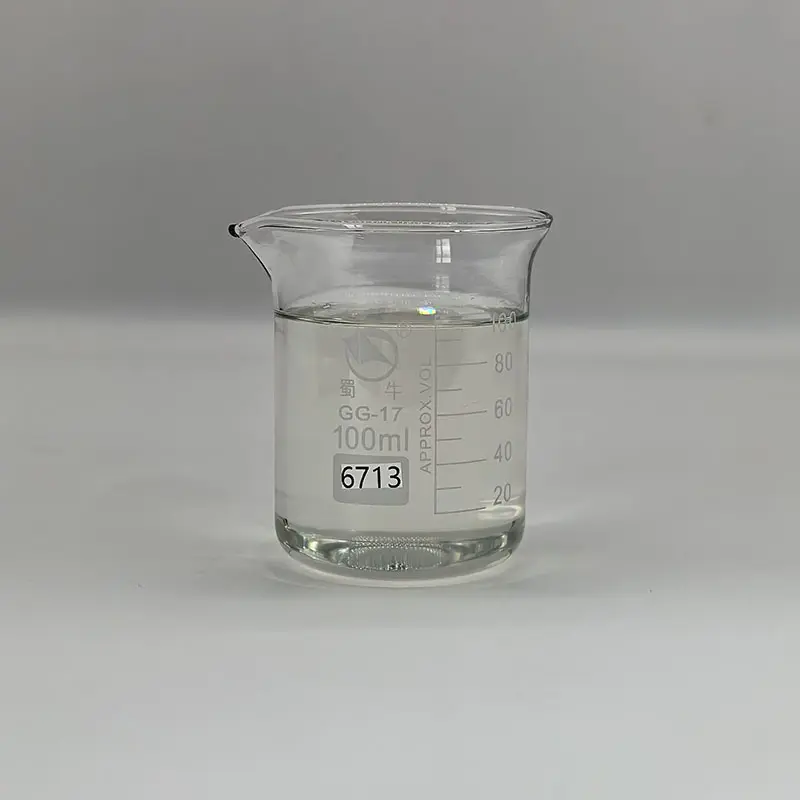
One of the key advantages of the HITEC EN 6713 A process is its exceptional throwing power, which ensures uniform coating thickness even on complex geometries, including deep recesses, blind holes, and intricate part designs. This capability is particularly beneficial for components with challenging shapes, where traditional electroplating methods may struggle to achieve consistent coverage. The process is also characterized by its excellent adhesion to various substrates, including aluminum alloys, stainless steel, carbon steels, alloy steels, and copper alloys, among others. This versatility makes it an ideal solution for multi-material assemblies and hybrid components.
The deposited nickel-phosphorus alloy exhibits outstanding corrosion resistance, particularly in harsh environments such as those involving exposure to acids, alkalis, and saline solutions. This makes the HITEC EN 6713 A process highly suitable for applications in industries such as automotive, aerospace, oil and gas, and electronics, where components are often subjected to extreme operating conditions. Additionally, the coating provides excellent wear resistance and lubricity, reducing friction and extending the service life of critical parts.
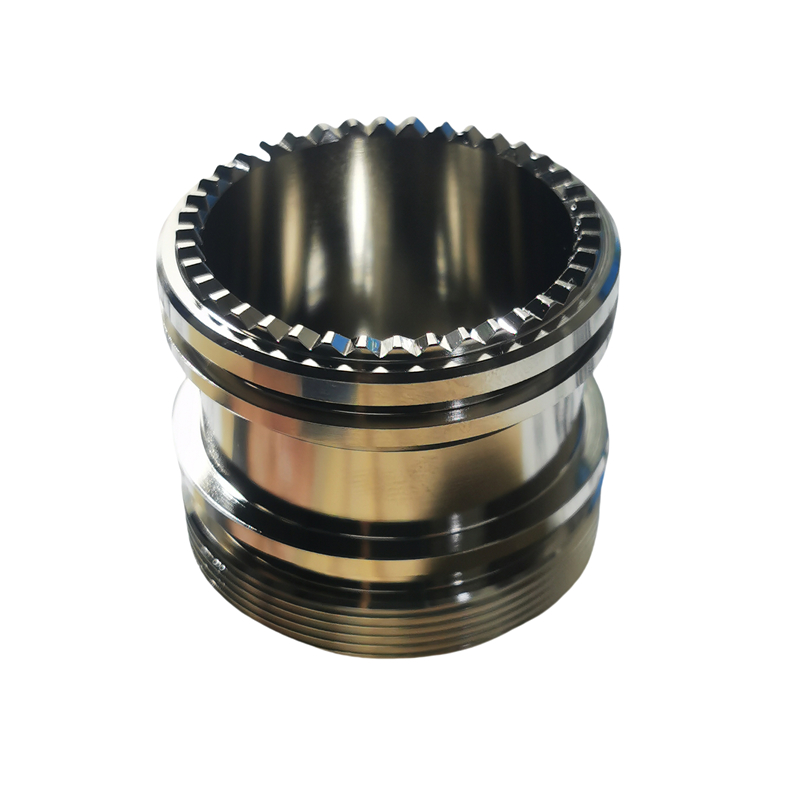
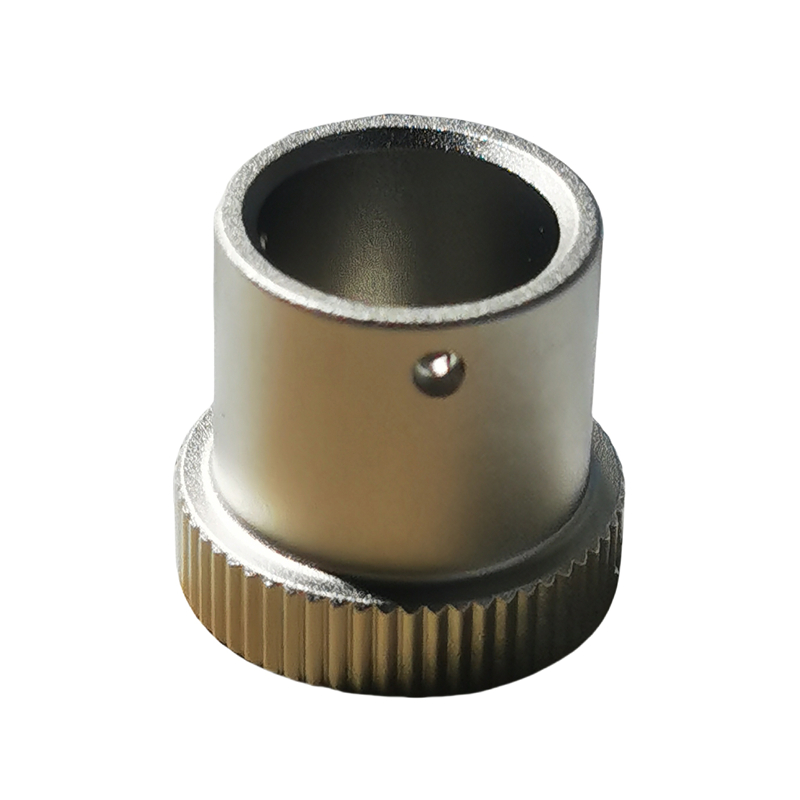
The process operates at moderate temperatures, typically between 85-95°C, and offers excellent bath stability and long bath life, reducing the need for frequent maintenance and chemical replenishment. This results in lower operational costs and improved production efficiency. Furthermore, the HITEC EN 6713 A process is compatible with post-plating treatments such as heat treatment (aging), which can further enhance the hardness and wear resistance of the coating by transforming the amorphous Ni-P structure into a crystalline Ni3P phase. This heat treatment can elevate the coating hardness to over 1000 HV, making it suitable for high-stress applications.
In terms of surface finish, the HITEC EN 6713 A process produces a smooth, semi-lustrous deposit that can be further polished or finished to meet specific aesthetic or functional requirements. The coating also provides excellent barrier properties, preventing substrate oxidation and improving solderability and brazing characteristics, which are critical for electronic and electrical applications.
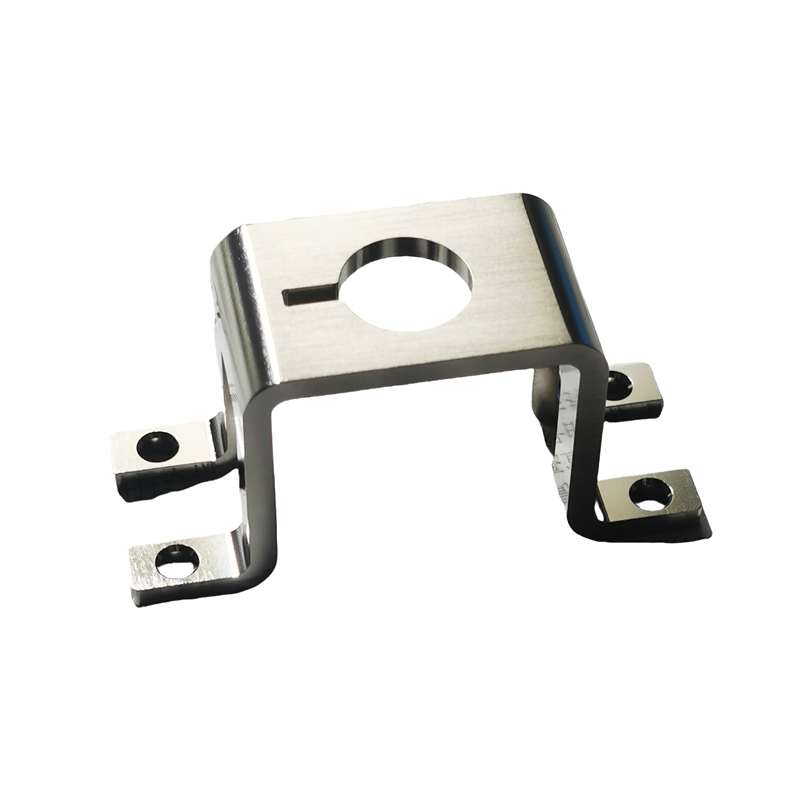
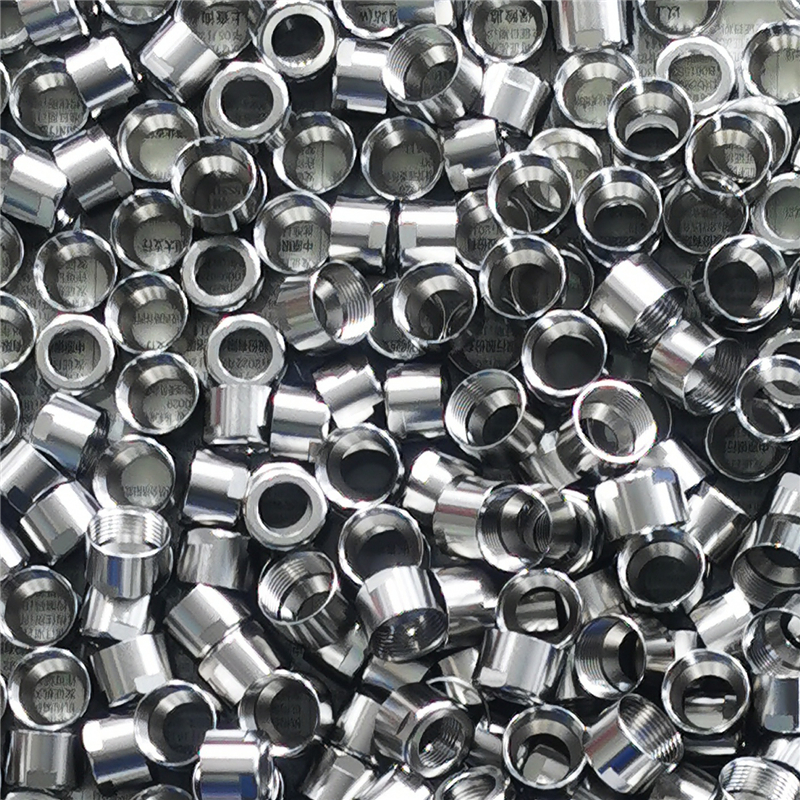
In summary, the HITEC EN 6713 A Mid Phosphorus Electroless Nickel Process is a highly versatile and reliable plating solution that combines exceptional corrosion resistance, wear resistance, and uniform deposition capabilities. Its ability to plate on a wide variety of substrates, coupled with its operational efficiency and compatibility with post-plating treatments, makes it an indispensable technology for modern manufacturing and engineering applications. Whether used for functional performance or decorative finishes, this process delivers consistent, high-quality results that meet the stringent demands of today's industries.