 HIYIE
HIYIE
1 / 4
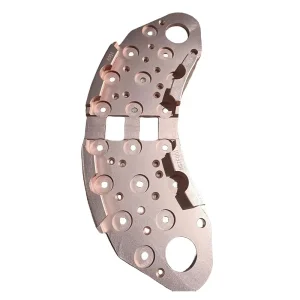
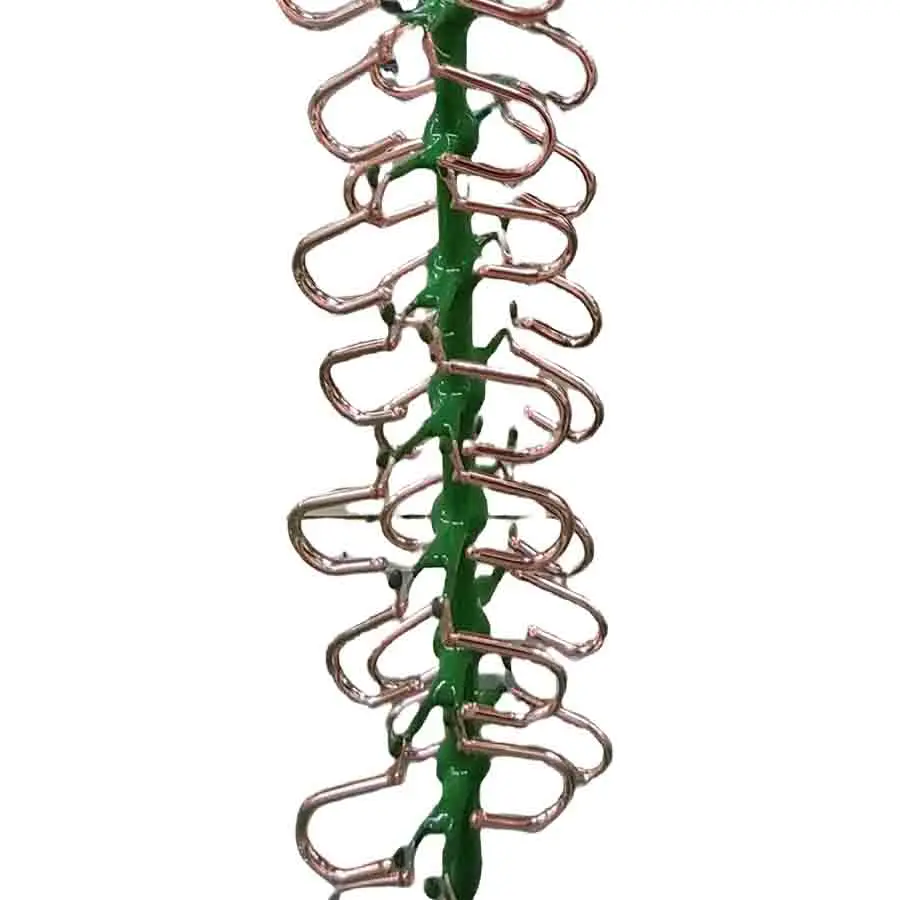
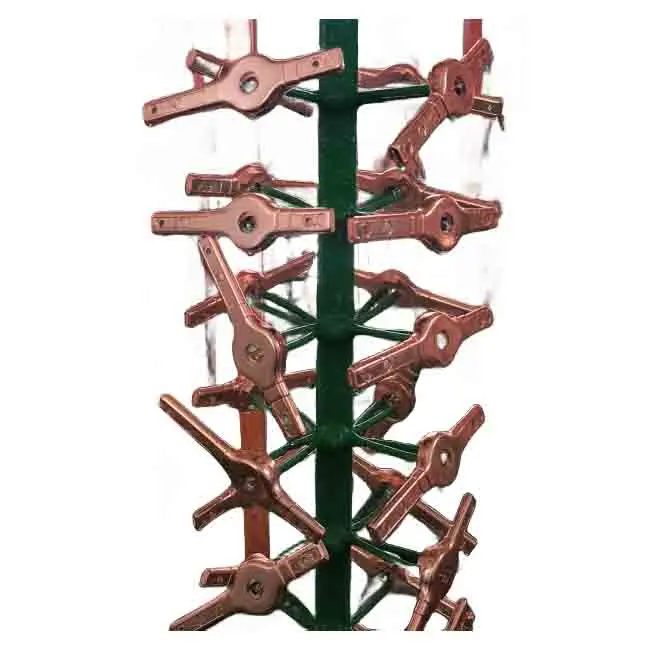
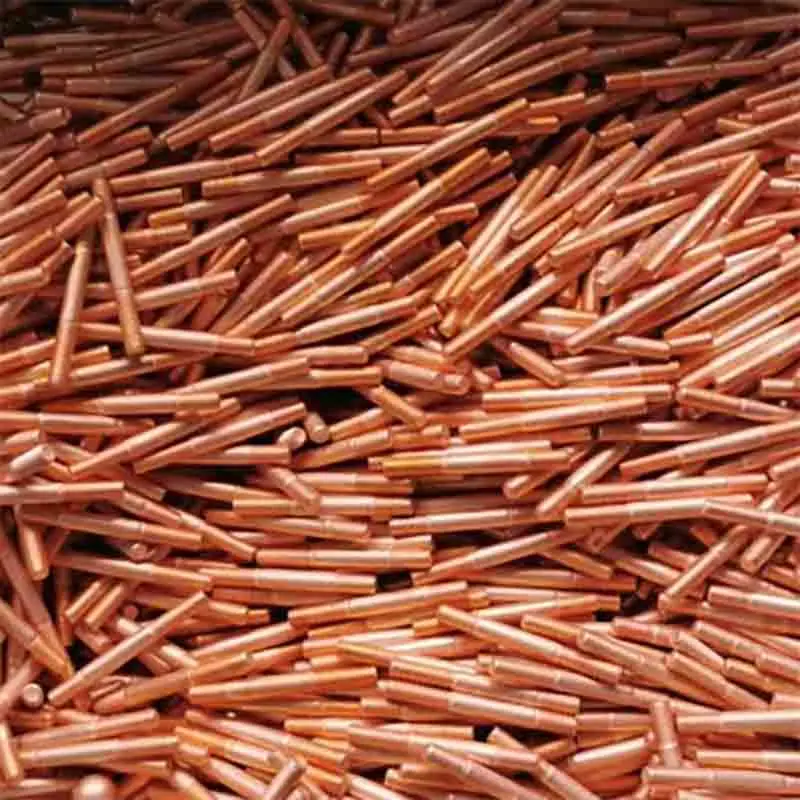
It is highly versatile and compatible with a wide range of base metals, including but not limited to copper, zinc alloys, and various types of plastic substrates. The coating adheres exceptionally well to these materials, providing a uniform and defect-free surface that enhances both functionality and aesthetics. For copper workpieces, the 672 process offers excellent corrosion resistance and solderability, which are critical for printed circuit boards (PCBs) and connectors. When applied to zinc alloy workpieces, it provides a durable and wear-resistant surface, making it suitable for automotive and consumer electronics applications.
For plastic workpieces, the process ensures strong adhesion and a smooth finish, which is essential for components such as housings, buttons, and connectors in electronic devices. The 672 process is also capable of accommodating complex geometries and intricate designs, ensuring consistent coverage even in hard-to-reach areas.
In addition to its electrical and mechanical properties, the 672 process is designed to be environmentally friendly, with reduced emissions and waste compared to traditional coating methods. It is also highly efficient, with fast deposition rates and minimal downtime, making it suitable for high-volume production environments.
Overall, the 672 process coating is a superior solution for industries that demand high-performance coatings with low resistivity, excellent adhesion, and compatibility with diverse substrates. Its ability to meet the rigorous demands of the electronics industry, while also being adaptable to other applications, makes it a valuable tool for achieving high-quality, reliable, and sustainable surface finishes.
The 672 process is highly compatible with a wide range of base metals, including copper, zinc alloys, and various plastic substrates, offering excellent adhesion and a uniform surface.
It provides outstanding corrosion resistance and solderability for copper materials, making it a critical choice for manufacturing printed circuit boards (PCBs) and connectors.
Yes, this coating process is specifically capable of accommodating complex geometries and intricate designs, ensuring complete and consistent coverage in hard-to-reach areas.
Yes, it is designed with sustainability in mind, featuring reduced emissions and minimal waste compared to traditional, less efficient coating methods.
The 672 process boasts high efficiency, fast deposition rates, and minimal machine downtime, making it optimized for high-volume industrial environments.
It provides a low-resistivity coating with excellent adhesion and high durability, meeting the strict requirements of both consumer electronics and automotive applications.