 HIYIE
HIYIE
1 / 3
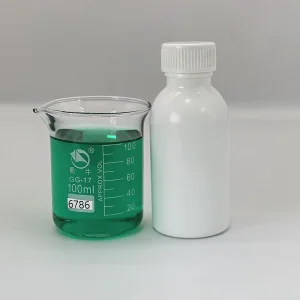
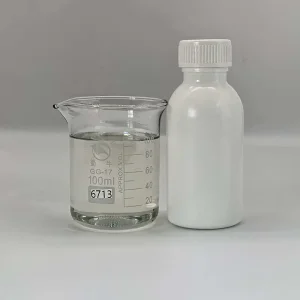
This cyanide-free process is an environmentally friendly alternative that eliminates the use of toxic substances such as sodium cyanide and cuprous cyanide, while also avoiding the incorporation of phosphorus. It simplifies wastewater treatment procedures, significantly reducing the environmental footprint and ensuring compliance with stringent environmental regulations. The process is designed to be fully compatible with existing cyanide copper plating solutions, allowing for seamless integration and direct rotation from cyanide-based systems without the need for extensive modifications.
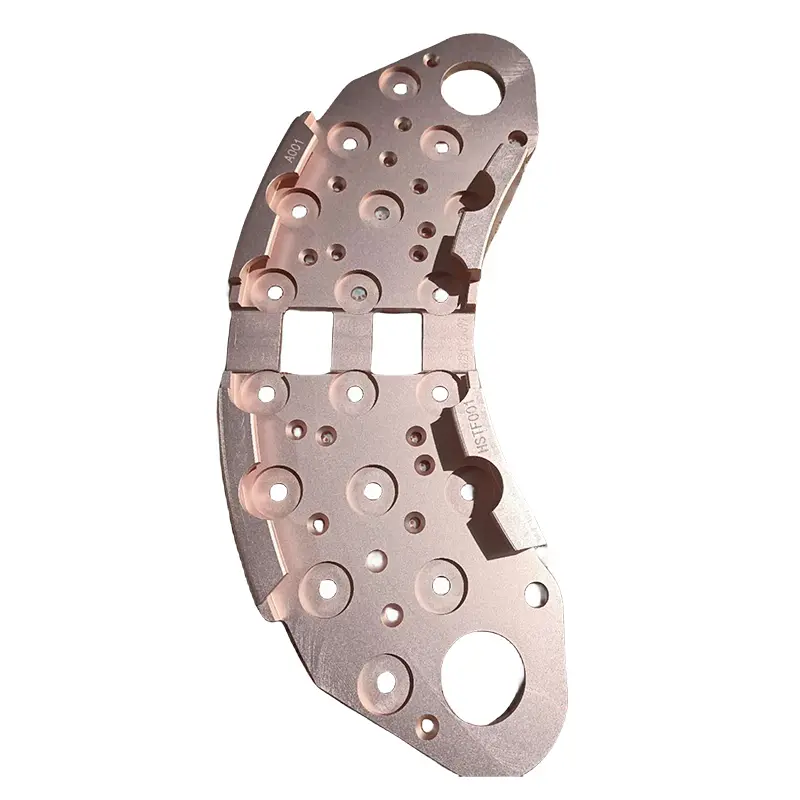
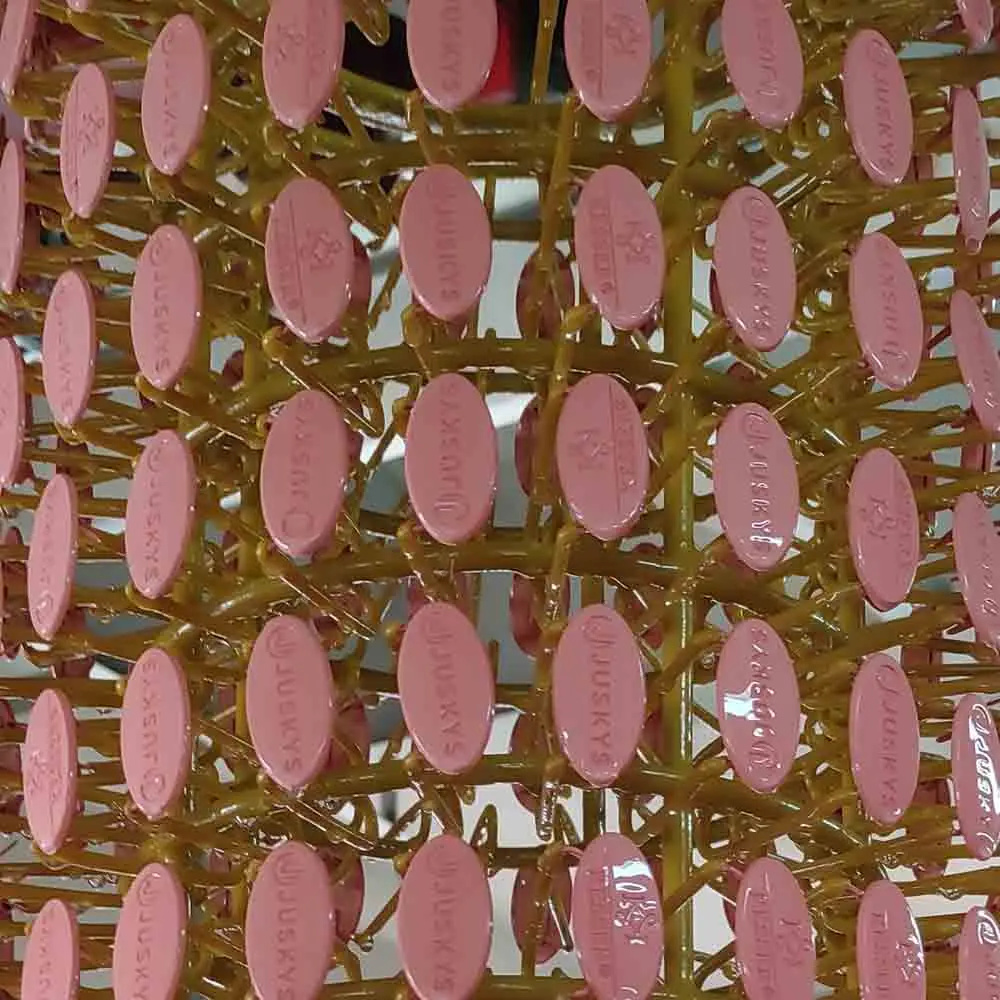
It is particularly well-suited for use as a primer coating on a variety of substrates, including zinc alloy, aluminum alloy, NdFeB (neodymium iron boron), and steel. The plating solution exhibits exceptional stability, with consistent performance over extended periods, and is highly user-friendly, making it accessible for operators with varying levels of expertise. Its versatility enables application across multiple plating methods, such as barrel plating for small parts, rack plating for larger or more complex components, and continuous plating for high-volume production.
This advanced cyanide-free plating process offers a sustainable, efficient, and reliable solution for a wide range of industrial applications. Its compatibility with existing systems, ease of operation, and superior performance make it an ideal choice for manufacturers seeking to meet both environmental and quality standards.
This process is entirely cyanide-free, eliminating toxic substances like sodium cyanide and cuprous cyanide, and does not contain phosphorus. It simplifies wastewater treatment, reducing the overall environmental footprint and meeting strict regulations.
Yes, it is designed for full compatibility with existing cyanide copper plating solutions, allowing for direct rotation and seamless integration without requiring extensive modifications to your system.
It is highly effective as a primer coating on a variety of substrates, including zinc alloy, aluminum alloy, NdFeB (neodymium iron boron), and steel.
Its versatile design makes it suitable for barrel plating (for small parts), rack plating (for larger or complex components), and continuous plating setups (for high-volume manufacturing).
The solution is highly user-friendly and stable, ensuring consistent and reliable performance over extended runs. It is easy to manage for operators with varying levels of expertise.