Best Copper Electroplating Brightener for 2026 Top Quality?

Time:2026-07-24 Author:Isabella
0%

In the rapidly evolving world of manufacturing, the demand for high-quality finishes is paramount. Copper Electroplating Brightener plays a crucial role in achieving superior surface quality and aesthetics. According to recent market reports, the global electroplating industry is projected to grow by over 5% annually. This growth is largely driven by advancements in electroplating technologies.

Choosing the best Copper Electroplating Brightener can significantly impact production efficiency and output quality. Industry experts emphasize the importance of using effective additives to enhance the deposition process. A well-formulated brightener not only improves brightness but also affects the overall electrochemical behavior of the plating bath.

Despite significant technological advancements, challenges persist. Many manufacturers still face issues with consistency in brightness and corrosion resistance. This highlights the need for continuous innovation and testing of new formulations. The right Copper Electroplating Brightener can mitigate these issues, ensuring that products meet stringent industry standards. As we approach 2026, the focus on high-performance solutions will remain critical for success in the competitive landscape.
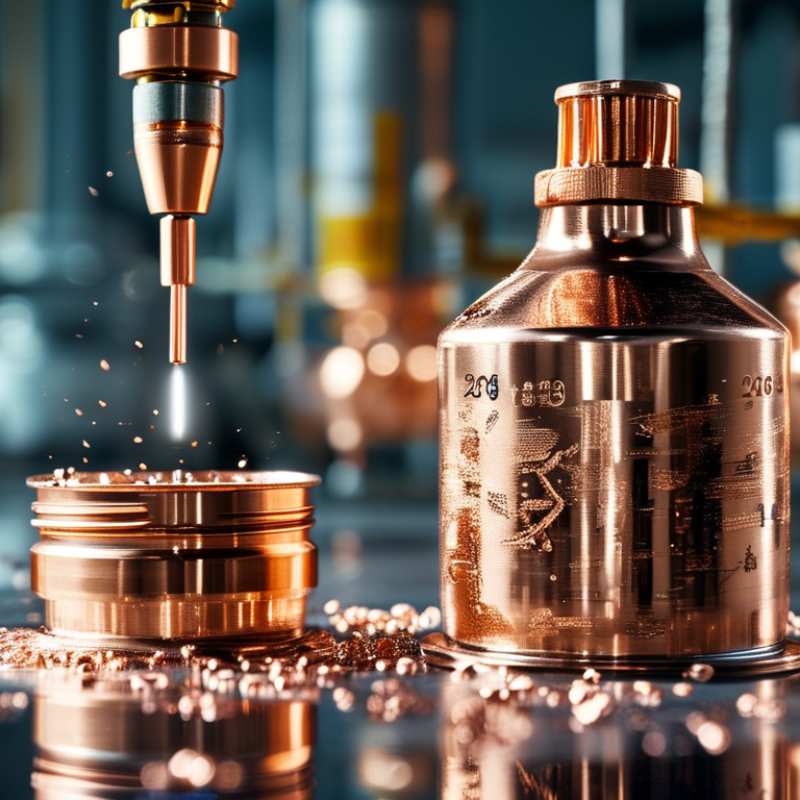
Best Copper Electroplating Brightener for 2026 Top Quality?

Overview of Copper Electroplating Process and Its Importance

Copper electroplating is a vital process in various industries, including electronics and automotive. It involves depositing a thin layer of copper onto a substrate to enhance conductivity and corrosion resistance. This helps improve the performance of components like circuit boards and connectors.

The process begins with surface preparation. Cleaning the substrate is crucial. Any contaminants can lead to poor adhesion. The electroplating solution typically contains copper sulfate as the primary source of copper ions. However, achieving a perfect finish requires more than just the right bath. Various additives can influence the quality of the deposit, including brighteners that enhance appearance and smoothness.

Despite the advancements in electroplating techniques, challenges persist. Factors like temperature, agitation, and voltage affect the final outcome. An experienced operator can often discern subtle issues that might arise during plating. Continuous research is necessary to refine processes and improve quality. Industry standards evolve, emphasizing the need for ongoing education and expertise. Hence, professionals must remain adaptable and informed.

Key Characteristics of High-Quality Copper Electroplating Brighteners

When exploring high-quality copper electroplating brighteners, certain characteristics stand out. An effective brightener should enhance the aesthetic quality of the copper surface. This means achieving a smooth, shiny finish that can improve the appearance of the finished product. Moreover, the brightener needs to be compatible with various plating baths for optimal performance. Flexibility in formulations can lead to better results across different applications.

One crucial aspect of these brighteners is their stability over time. A reliable brightener should maintain its effectiveness, even after prolonged use. This prevents unwanted variations in the plating process. Additionally, it should support reproducible results, which is vital for industrial applications. Factors like pH levels and temperature can influence performance, and a good brightener should show resilience to these conditions.

On the flip side, the search for an ideal brightener may lead to some challenges. Some formulations might not perform as expected in every setting. Users may find themselves experimenting with different concentrations or combinations. Each application can yield different results, demanding careful consideration of specific needs. Choosing the right brightener is essential for both quality and efficiency, necessitating informed decision-making based on real-world experiences.

Top Copper Electroplating Brightener Products of 2026

In 2026, copper electroplating remains crucial for various industries. High-quality brighteners enhance the finish and durability of plated surfaces. Reports indicate that proper formulation can boost electroplating efficiency by 20%. Understanding the products available will help select the best options for specific applications.

Copper plating brighteners vary widely in composition. Some use additives that reduce roughness, improving aesthetics and resistance to corrosion. Regulatory guidelines continue to evolve, making it essential to choose compliant products. Studies show that top-performing brighteners can increase hardness by up to 30%. However, formulation inconsistencies can lead to less than optimal results.

Tip: Regularly evaluate the pH level in your electroplating bath. An unmonitored pH can lead to uneven plating. Additionally, experimenting with different concentrations can help achieve the desired finish. Another consideration is temperature control during the plating process. Optimal temperatures can vary, but maintaining stability is key for consistent outcomes.

Best Copper Electroplating Brightener Products of 2026

This chart displays the effectiveness of various copper electroplating brighteners based on performance ratings and user reviews for the year 2026. Each brightener is rated on a scale from 1 to 10, where a higher score indicates better performance.

Factors Influencing the Effectiveness of Electroplating Brighteners

The effectiveness of copper electroplating brighteners relies on several key factors. Temperature plays a crucial role. A higher temperature often enhances the brightness in plating. However, it can also lead to defects. Metal ion concentration is another critical element. Too little may yield dull finishes, while excessive ions can result in rough surfaces.

Formula composition is vital. Different additives interact in complex ways. Balancing these can be challenging. Certain brighteners may work well in specific environments but fail elsewhere. Regular testing is necessary for optimal results. pH levels also impact the electroplating process. Slight variations can create significant differences in quality.

Understanding these factors can guide improvements in electroplating. It's essential to analyze each element carefully. This ongoing process requires reflection and adjustment. The right balance is not always clear-cut. Striving for perfection in electroplating involves being open to experimentation and learning from past inconsistencies.

Best Copper Electroplating Brightener for 2026 Top Quality? - Factors Influencing the Effectiveness of Electroplating Brighteners

Parameters Optimal Range Impact on Brightness Recommended Additive Types
pH Level 8.0 - 8.5 Critical; Improves surface finish Organic Brighteners
Current Density 2 - 5 A/dm² High; Enhances deposition rate Sulfate-based Additives
Temperature 20 - 30 °C Optimal; Reduces defects Polymeric Compounds
Additive Concentration 50 - 150 mg/L Essential for brightness Brightening Agents
Agitation Moderate stirring Enhances uniformity None

Future Trends in Copper Electroplating Technologies and Brightener Innovations

The landscape of copper electroplating is evolving. With advancements in technology and innovation, brighteners are becoming crucial for improved performance. Recent reports indicate that the copper electroplating market is projected to experience a growth rate of over 5% annually. This growth is driven by the demand for high-quality coating solutions in electronics and automotive industries.


New trends show a shift towards eco-friendly formulations. Companies are investing in research to develop bio-based brighteners. These alternatives could minimize environmental impact while enhancing plating results. However, finding the right balance between efficiency and sustainability remains a challenge. Current brighteners often carry trade-offs, impacting deposition rates and surface quality.


Tips: When selecting brighteners, consider the specific application and environment. Custom formulations may offer improved performance. Regularly review your electroplating process, as minor adjustments can significantly enhance outcomes. The journey towards innovation in copper electroplating continues as researchers strive to meet diverse industry needs. The future, while promising, requires careful experimentation and reflection on existing practices.

FAQS

: What should an effective copper electroplating brightener do?

: It should enhance surface quality, providing a smooth, shiny finish for better aesthetics.

Why is compatibility important for plating brighteners?

A brightener needs to work well with various plating baths for optimal performance.

How does temperature affect electroplating?

Higher temperatures can improve brightness but may also cause defects in the plating.

What role does pH level play in electroplating?

Slight pH variations can create significant differences in plating quality and outcomes.

Why is stability important for brighteners?

It ensures effectiveness over time, preventing unwanted variations during prolonged use.

What are common challenges when using brighteners?

Some formulations may not perform as expected, leading to experimentation with concentrations.

How can metal ion concentration impact plating results?

Too few ions can yield dull finishes; too many can cause rough surfaces.

What future trends are seen in copper electroplating technologies?

Companies are increasingly developing eco-friendly formulations to minimize environmental impacts.

How can companies improve their electroplating processes?

Regular testing and adjustments are vital for optimizing brightener performance.

What is essential for achieving better results in electroplating?

Striving for a balance between efficiency and sustainability requires ongoing reflection and experimentation.

Conclusion

The article "Best Copper Electroplating Brightener for 2026 Top Quality?" provides a comprehensive overview of the copper electroplating process, highlighting its significant role in various industries. It delves into the key characteristics that define high-quality copper electroplating brighteners, essential for achieving optimal plating results. The discussion on top copper electroplating brightener products of 2026 offers insights into innovations that enhance the electroplating process, while also considering the factors that influence the effectiveness of these brighteners.

Furthermore, the article explores future trends in copper electroplating technologies and potential advancements in brightener innovations. As the demand for high-quality electroplated products continues to grow, understanding the capabilities and improvements in copper electroplating brighteners will be crucial for industry stakeholders aiming to stay competitive and meet evolving quality standards.


Isabella

Isabella

Isabella is a dedicated marketing professional with a sharp focus on driving brand growth and engagement through strategic content creation. With an extensive background in digital marketing, she combines her passion for storytelling with her keen understanding of industry trends to deliver......