In the dynamic world of electroforming, the choice of an effective Electroforming Brightener is crucial. Industry expert Dr. Alice Thompson emphasizes, "The right brightener can significantly enhance product quality." This statement highlights the importance of selecting the best formulations for successful global sourcing.
Electroforming Brighteners not only improve surface quality but also influence the overall efficiency of the electroforming process. Many manufacturers are realizing that not all brighteners are created equal. Some may offer short-term benefits but fail to deliver long-term results. Understanding the right chemical combinations can be a complex challenge.
Innovation in this field is rapid, and companies must stay updated. Electroforming Brighteners have varying properties, impacting different substrates. Trials and adjustments can lead to unforeseen issues, underlining the necessity for expert guidance. As the market evolves, having a reliable source for advanced brightening agents becomes even more critical in meeting sourcing needs.
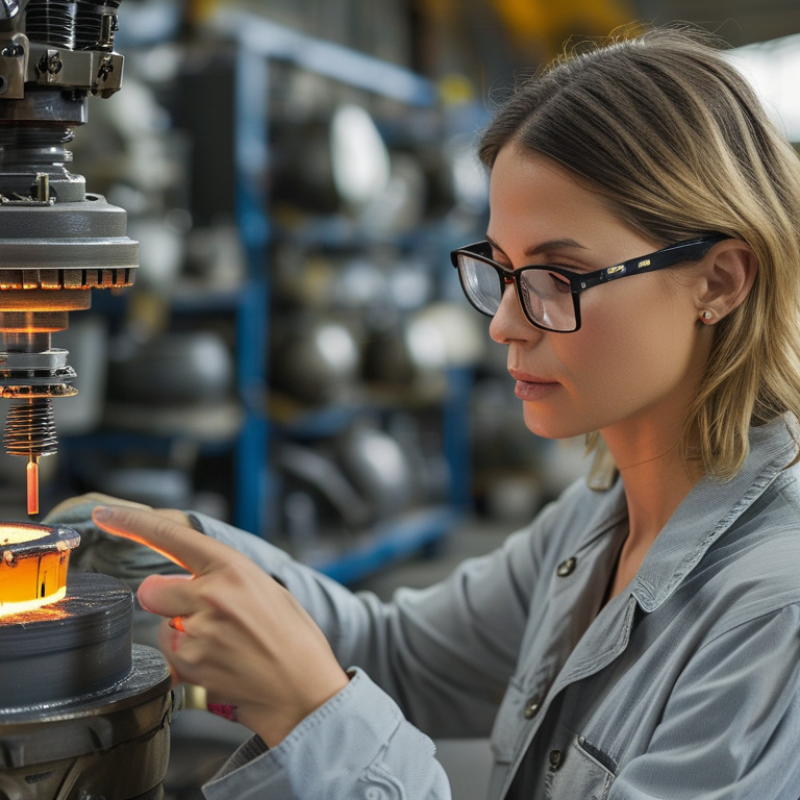
Electroforming is a crucial process in metal fabrication. It allows for the creation of intricate shapes and designs. This technique deposits metal onto a mold, forming a desired structure. It is essential for crafting products that require fine details and a smooth finish. The electroforming process offers versatility in various industries, from jewelry to electronics. Understanding this process helps industries source the right materials and techniques.
Brighteners enhance the quality of the metal surface during electroforming. Finding the best brighteners can influence the final product's aesthetics and durability. Brighteners affect the deposit morphology and surface finish. This means they play a critical role in achieving desired outcomes.
Challenges in sourcing brighteners and other materials can arise. It may be difficult to find the right balance between cost and quality. Over-reliance on a single supplier can lead to vulnerabilities. Diversifying sourcing strategies can mitigate these risks. Experimenting with different formulations may yield better results. Understanding the nuances of the electroforming process is vital for successful outcomes in any project.
When sourcing electroforming brighteners, key properties make all the difference. Effective brighteners enhance the surface finish of metals while ensuring uniform deposition. They promote a bright, smooth appearance, which is critical for aesthetic applications. A well-performing brightener can significantly influence the overall efficiency of the electroforming process.
One essential property is stability. Brighteners must maintain their effectiveness under varying conditions. Temperature fluctuations and pH changes can impact their performance. Additionally, compatibility with other chemicals in the bath is crucial. A brightener that interacts negatively can lead to poor results. Testing in different scenarios can reveal their true potential.
Another aspect to consider is the concentration levels required for optimal results. Some brighteners may work well at low concentrations, while others need higher dosages. This variability can affect cost and application complexity. Ultimately, sourcing the right brightener is about balancing performance, stability, and cost-effectiveness. It’s important to reflect on the sourcing process and continuously seek improvements.
| Property | Description | Importance |
|---|---|---|
| Appearance | Clear and colorless solution for effective visibility. | Essential for assessing concentration and consistency. |
| pH Stability | Maintains a stable pH range during operation. | Critical for preventing unwanted reactions and ensuring quality deposits. |
| Conductivity | High conductivity to enhance plating efficiency. | Directly affects plating rate and uniformity. |
| Temperature Range | Effective in a broad temperature range. | Allows flexibility in operational conditions. |
| Brightening Effect | Produces a bright, mirror-like finish on plated surfaces. | Enhances aesthetic appeal of final products. |
| Additive Compatibility | Compatible with other electroforming additives. | Ensures optimal performance in mixed formulations. |
When sourcing electroforming brighteners, it is crucial to consider their performance characteristics. Brighteners enhance the surface quality of electroformed metals. Based on recent industry reports, the effectiveness of brighteners can vary significantly. A study indicated that some brighteners can increase surface brightness by up to 45%, while others may offer only 25% improvement. This disparity underlines the need for careful evaluation when selecting formulations.
Different regions also have specific sourcing requirements. For instance, the Asia-Pacific market shows a growing demand for advanced brighteners. Research estimates a market growth rate of 6.2% annually. However, not all brighteners suitable for this region perform equally in terms of environmental impact. Reports highlight a concerning percentage of brighteners with non-compliance issues. This can lead to potential setbacks, emphasizing the importance of thorough supplier assessments.
Evaluation criteria should also include stability and shelf life. Some brighteners may perform well initially but degrade quickly. Short shelf life can pose challenges for manufacturers. Many experts recommend conducting on-site tests to ensure compatibility with existing processes. Just relying on data from suppliers can be misleading. More in-depth analysis and real-world trials often yield more reliable insights.
Selecting the best electroforming brightener requires a systematic approach. Start by assessing the specific needs of your application. Consider factors like the type of alloy, the thickness required, and the end-use of the product. Industry reports indicate that the electroforming process can be sensitive to variations in brighteners, affecting surface finish and deposit quality.
Research shows that some brighteners may enhance deposition rates while others focus on improving aesthetics. According to a recent market survey, 40% of manufacturers reported challenges with brightener consistency. This highlights the necessity for reliable suppliers. Testing different formulations can yield varying results. A focus group might discover that what works for one application does not suit another.
It's vital to engage with experts in electroforming and material science. Reliable communication with suppliers about quality control practices is key. Consider the long-term results of using a specific brightener. Analyzing the performance data over time can help mitigate risks. The electroforming sector is ever-evolving, and staying updated on innovations can lead to better outcomes.
The electroforming industry is evolving rapidly. Brighteners play a crucial role in enhancing the quality of electroformed products. Recent trends show a shift towards environmentally friendly solutions. Companies are seeking sustainable brighteners to meet regulatory requirements and consumer demands. This shift is likely to shape future market dynamics.
It’s essential for sourcing strategies to adapt to these trends. When evaluating potential brighteners, consider their environmental impact. Look for certifications that indicate compliance with eco-friendly standards. This not only aligns with current consumer expectations but also helps safeguard the brand's reputation.
Keep an eye on technological advancements. Innovations in electroforming processes may lead to new, more efficient brighteners. These innovations can reduce waste and improve product integrity. However, new doesn’t always mean better. Always test new formulations before fully integrating them into production. Balancing performance with sustainability is key to long-term success.
: Electroforming is a metal fabrication process that creates intricate shapes by depositing metal onto a mold.
Brighteners enhance metal surface quality, affecting aesthetics, durability, and overall efficiency of the electroforming process.
Finding a balance between cost and quality can be difficult. Over-reliance on one supplier can create vulnerabilities.
Assess performance characteristics, stability, and concentration levels. Conduct on-site tests instead of relying solely on supplier data.
Temperature fluctuations and pH changes can impact brighteners' effectiveness. Testing under varying conditions is essential.
Balance performance, stability, and cost-effectiveness. Reflect on the sourcing process for continuous improvement.
Brighteners can improve surface brightness by varying percentages. Some may only offer a 25% improvement compared to others.
The Asia-Pacific market shows a growing demand, with an estimated annual growth rate of 6.2%.
Not all brighteners meet compliance standards, which could lead to potential setbacks in sourcing.
Real-world trials often provide more reliable insights than just supplier data, revealing true performance levels.
The article "Best Electroforming Brightener for Global Sourcing Needs?" explores the critical role of electroforming brighteners in the electroforming process, which is essential for various manufacturing and sourcing applications. It begins with an overview of the electroforming procedure and its significance in global trade, highlighting how the right brighteners can enhance the quality and efficiency of the resulting products.
Key properties that define effective electroforming brighteners are analyzed, enabling stakeholders to understand their importance in the market. A comparative analysis of leading electroforming brighteners is presented, followed by crucial criteria for selecting the best options for global sourcing. Finally, the article discusses future trends and market predictions for electroforming brighteners, emphasizing the continuous evolution of this essential component in manufacturing processes.

HIYIE