10 Best Nickel Plating Brighteners for Superior Finish?

Time:2026-07-01 Author:Sienna
0%

In the world of metal finishing, achieving a flawless surface is crucial. Nickel plating brighteners play a key role in enhancing the aesthetic appeal and corrosion resistance of nickel-plated items. These products help users to achieve a superior finish on various substrates, which is essential for many industries, including automotive and electronics.

When choosing a nickel plating brightener, quality and formulation are significant factors. Different brighteners can yield unique results, varying from high gloss to satin finishes. Some brighteners may perform exceptionally well, while others could fall short in certain applications, leading to inconsistent results. It's important to understand how each product works within specific plating baths and conditions.

Expert insights indicate that experimentation with different brighteners is often necessary. Users should consider factors like temperature and concentration to optimize the brightening process. A successful nickel plating operation depends not only on the choice of brightener but also on careful monitoring and adjustments throughout the process. Embracing a hands-on approach can lead to improved outcomes, but it may also expose areas for further development.
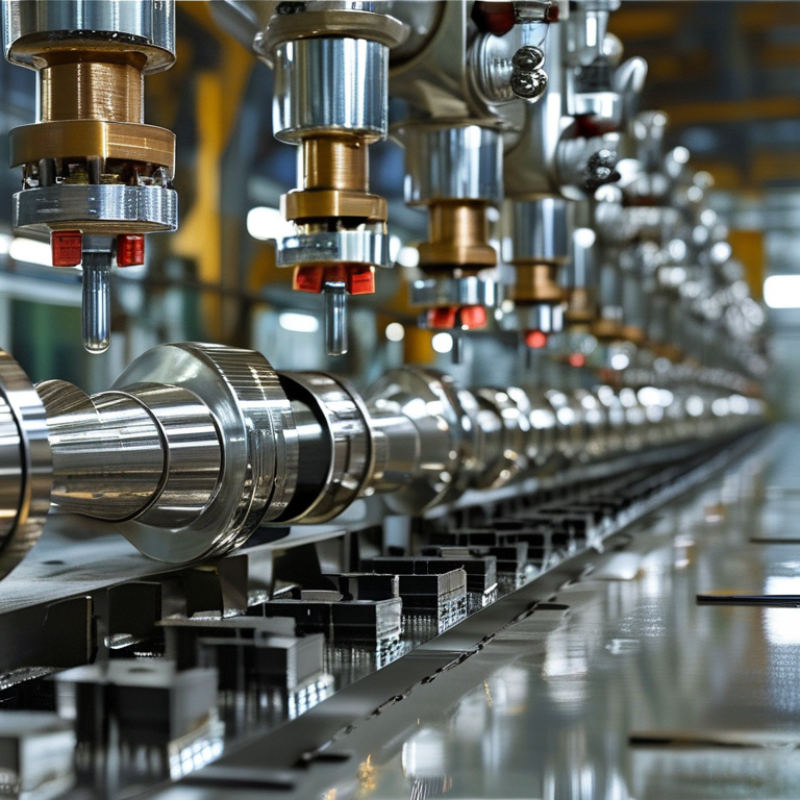
10 Best Nickel Plating Brighteners for Superior Finish?

Understanding Nickel Plating: Importance of Brighteners in Finishing

Nickel plating is essential for achieving a durable and visually appealing finish. It provides protection against corrosion and wear, making it popular in various industries. Brighteners play a critical role in nickel plating by enhancing the surface smoothness and improving the overall appearance. Without the right brighteners, the finish can appear dull or uneven.

Choosing the appropriate brightener can significantly impact your final product. Different brighteners deliver varying effects, such as increased brightness or a mirror-like finish. Experimenting with small batches can help identify the best option for your specific application. Always consider the composition of your nickel solution, as it can influence the performance of the brightener.

Tips: Test a few brighteners before scaling up. Conduct a thickness measurement to ensure adequate plating. Pay attention to temperature and pH levels, as these can affect the final finish. Over time, you may find ways to optimize your process, leading to more consistent results. Always document your findings to improve your techniques continuously. Reflecting on past projects can help refine your approach.

Key Types of Nickel Plating Brighteners Used in the Industry

Nickel plating brighteners play a crucial role in achieving a superior finish on metal substrates. In the industry, several key types of brighteners are recognized for their effectiveness. Brightening agents, such as organic compounds, adjust the surface tension during plating. This leads to a smoother and shinier finish. Data shows that using the right combination of brighteners can enhance surface smoothness by 40%.

Another significant aspect is the use of leveling agents. These help to fill in surface irregularities. A report from a plating industry journal indicates that applying these agents results in more uniform thickness across the plated layer. Surprisingly, not all brightener combinations yield consistent results. Some may lead to issues with adherence or hardness, prompting the need for careful testing.

Additionally, surfactants are integral in the process. They reduce foaming and allow for better wetting of the surface. Industry studies highlight that proper surfactant balance can improve the overall plating quality by 20%. However, achieving this balance is challenging and requires precise control in the plating bath. Experimentation with different formulations often reveals imperfections that need to be addressed for optimal performance.

Chemical Properties of Effective Nickel Plating Brighteners

Nickel plating brighteners play a crucial role in achieving a superior finish. Understanding their chemical properties is essential for effective application. Brighteners are additives that improve the appearance of nickel coatings. They influence the brightness, smoothness, and overall quality of the surface. The right combination of brighteners can enhance a nickel plate's reflective qualities significantly.

Effective nickel plating brighteners often include organic and inorganic compounds. These compounds help reduce grain size and promote an even distribution during the plating process. Their unique chemical properties allow them to bond with nickel ions, leading to better adhesion and a more durable finish. However, not all brighteners work equally well for every application. Different pH levels and temperatures can affect their performance, leading to unpredictable results.

In some cases, achieving the desired finish can be challenging. Overuse of certain brighteners may result in a poor appearance or reduced thickness of the coating. Adjusting the concentration of brighteners can be a trial-and-error process. It's crucial to monitor each batch closely. Regular testing can help refine the formulation, ensuring consistent results. Through careful experimentation and analysis, a better understanding of these chemical properties can be attained.

Comparative Analysis of Brightener Performance Metrics in Nickel Plating

In the competitive world of nickel plating, selecting the right brightener is crucial for achieving a superior finish. Various brighteners exhibit distinct performance metrics that impact the overall quality. Brighteners enhance the brightness and uniformity of the nickel deposit. Factors such as concentration, temperature, and pH levels significantly influence their effectiveness. However, their performance can vary depending on the specific application and process.

Some brighteners may excel in offering a glossy finish but lack durability. Others may provide excellent adhesion yet struggle with surface smoothness. A careful balance must be struck between aesthetics and functional performance. While many users focus solely on the shine, the underlying integrity of the plating should not be overlooked. Testing different formulations under varying conditions could lead to unexpected results.

Measuring parameters like deposition rate, appearance, and stress levels will provide valuable insights. Comparing these metrics across brightening agents is essential for optimizing plating processes. Discrepancies can often arise, leading to unexpected challenges. Continued experimentation and reflection on the results are vital to mastering the complexities of nickel plating.

Environmental and Safety Considerations in Nickel Plating Processes

Nickel plating is widely used for its protective and decorative qualities. However, it comes with environmental and safety concerns. The chemicals involved in nickel plating processes can pose risks if not handled properly. Awareness of these hazards is crucial for companies in the plating industry. Protective measures must be implemented to ensure worker safety.

Proper ventilation is essential in facilities where nickel plating occurs. Fume extraction systems should be in place to capture harmful vapors. Workers must wear appropriate personal protective equipment, including gloves, goggles, and masks. The risk of spills or accidental exposure calls for rigorous training and regular safety drills. Spill kits should be readily available for emergencies, ensuring quick response.

Waste management is another critical area to address. Wastewater from nickel plating can be hazardous. It is vital to treat this wastewater before disposal to prevent environmental contamination. Facilities should adhere to regulations regarding waste disposal. This not only protects the environment but also supports community health. Despite these precautions, the industry still faces challenges. Striking a balance between effective plating techniques and safety remains an ongoing task. Continuous improvement in processes and awareness is necessary for a sustainable future.

10 Best Nickel Plating Brighteners for Superior Finish

Brightener Name Composition Recommended Use Environmental Impact Safety Considerations
Brightener A Organic Compound High gloss finish Biodegradable Wear gloves during application
Brightener B Sulfonic Acid Enhanced ductility Limited environmental impact Use in a ventilated area
Brightener C Polyether Bright, smooth surface Non-toxic Avoid contact with eyes
Brightener D Amino Alcohol Excellent leveling Moderate environmental impact Follow MSDS guidelines
Brightener E Anionic Surfactant Deep penetration Eco-friendly Use protective gear

FAQS

: What are nickel plating brighteners?

: They are additives that improve the appearance of nickel coatings. Brighteners enhance brightness and smoothness.

Why are chemical properties of brighteners important?

Understanding them helps in applying brighteners effectively. They influence overall quality and reflectiveness.

What compounds are used in effective brighteners?

Both organic and inorganic compounds are commonly used. These compounds help reduce grain size during plating.

Can brighteners affect the thickness of the coating?

Yes, overuse may lead to a poor appearance or reduced thickness. Adjusting concentrations is often tricky.

What safety measures are needed in nickel plating?

Proper ventilation and fume extraction systems are essential. Workers should wear gloves, goggles, and masks.

How should wastewater from nickel plating be handled?

It must be treated before disposal to avoid environmental contamination. Following regulations is vital for safety.

What is a potential challenge in nickel plating?

Balancing effective plating techniques with safety issues is ongoing. Continuous improvement is crucial for sustainability.

How can consistent results be achieved in plating?

Regular testing and batch monitoring help refine formulations. This process may involve trial and error.

Conclusion

Nickel plating is a crucial process in various industries, enhancing the appearance and durability of metal surfaces. A key component in achieving a superior finish in nickel plating is the use of nickel plating brighteners. These additives play an important role in the electroplating process by improving brightness, leveling, and overall surface quality. Understanding the different types of nickel plating brighteners and their chemical properties allows manufacturers to select the most effective options for their specific applications.

A comparative analysis of brightener performance metrics reveals significant variations in efficacy, emphasizing the importance of choosing the right brighteners to optimize results. Additionally, it is essential to consider environmental and safety factors when utilizing nickel plating brighteners, ensuring that the processes adhere to industry standards and regulations. By prioritizing both performance and safety, industries can achieve outstanding finishes without compromising environmental integrity.


Sienna

Sienna

Sienna is a skilled marketing professional with a deep expertise in our company’s core products and services. With a passion for innovation and detail, she plays a pivotal role in crafting insightful blog posts that not only highlight the unique features of our offerings but also provide valuable......