Choosing the right brightener for electroplating is crucial for achieving high-quality finishes. Expert Sarah Johnson, a renowned figure in the Brightener Electroplating industry, emphasizes, “The right brightener can transform your plating process and outcome.” Finding the correct formulation can significantly enhance the appearance and durability of plated surfaces.
When considering brightener options, one must assess various factors. Different metals respond uniquely to specific brighteners. Furthermore, the balance between cost and effectiveness must be taken into account. It’s essential to consider the type of application and desired results. Optimal performance is often a blend of experience and experimentation.
Despite advancements, challenges remain. New formulations may offer potential but also uncertainty. Not every brightener will suit every scenario. Testing and analysis are vital to avoid costly mistakes. Ultimately, a meticulous approach will ensure the best brightener is selected for electroplating needs.
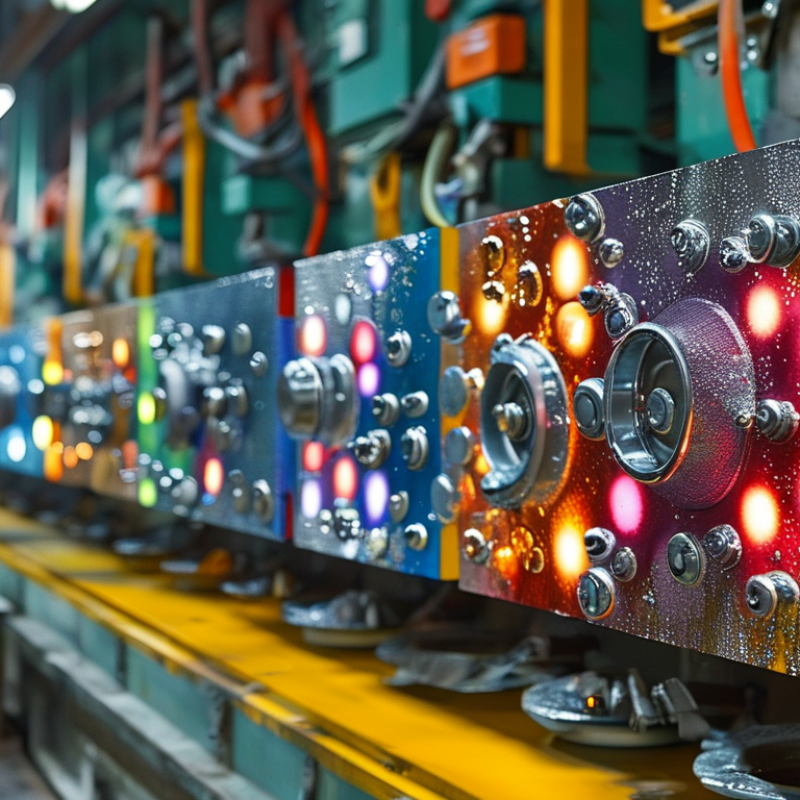
Brighteners play a crucial role in electroplating processes by enhancing the surface finish of metal coatings. They improve the appearance and brightness of plated surfaces. According to the Electroplating Engineering Handbook, brighteners can increase gloss and reduce defects in the plating layer. Their effectiveness often depends on concentration and the specific metals being plated.
The choice of brightener can significantly impact overall efficiency. Studies show that the optimal concentration can vary, with effective levels often falling between 10 to 100 mg/L, depending on the metal substrate. This highlights the need for proper testing and quality control measures. Electroplaters must be aware of the potential trade-offs. Using too much brightener can lead to uneven deposits. This inconsistency affects both aesthetics and performance.
Another aspect worth considering is the compatibility of brighteners with other additives in the bath. Some may interact negatively, leading to unexpected results. In a review published in the Journal of Applied Electrochemistry, researchers noted that understanding these interactions is vital. It can sometimes be a process of trial and error to find the best formulation. This alludes to a broader industry challenge—achieving the best results while managing costs and environmental considerations.
When it comes to electroplating, the choice of brightener is pivotal for achieving a polished finish. Brighteners can significantly enhance the surface quality of electroplated items. There are various types, each with unique functions and benefits. Some brighteners work by refining grained structures, while others promote a smoother finish.
Sulfide-based brighteners are popular for their efficiency. They create smooth, mirror-like surfaces, especially in nickel plating. Brighteners based on organic compounds have gained traction as eco-friendly alternatives. They help in achieving a bright finish without harmful side effects. However, not all brighteners will work seamlessly in every plating bath; compatibility is crucial. Testing different types may yield inconsistent results.
The final appearance depends on factors such as concentration and temperature. Overuse of any brightener can lead to defects, like pitting or dullness. Balancing the concentration is often challenging, requiring careful adjustments. Knowledge of the substrate and the desired outcome will guide the selection process. Each brightener has its strengths and weaknesses, and there’s no one-size-fits-all solution. Finding the right fit remains a journey of experimentation and learning.
When selecting a brightener for electroplating, it’s crucial to consider various factors to achieve optimal results. One key factor is the type of metal being plated. Different metals react differently to brighteners, affecting the final appearance and quality. According to industry reports, nickel plating often requires specific brighteners to avoid issues like dullness. In contrast, copper benefits from brighteners tailored to enhance its shine and luster.
Another important aspect is the operating conditions during electroplating. Temperature, pH, and current density can significantly influence the performance of brighteners. Studies suggest that maintaining a stable pH around 4 to 5 can maximize brightness and minimize defects in the deposit. Additionally, an improper balance of brighteners can lead to problems like uneven plating or surface imperfections. Monitoring these parameters closely is essential for achieving desired outcomes.
Finally, supplier reliability should not be overlooked. Choosing the right supplier ensures access to high-quality brighteners formulated based on extensive research and industry standards. A report from a leading electroplating association highlights that using chemically stable and well-tested brighteners can reduce failures during production. This approach also fosters trust and consistency in the overall electroplating process.
Testing and evaluating brightener performance in electroplating is crucial for achieving optimal results. Brighteners help to enhance the appearance and quality of the plated surface. There are various methods to test these additives effectively. One involves assessing the deposit's brightness and uniformity using a simple visual inspection. This can give an immediate indication of the brightener’s effectiveness.
Another valuable method is conducting a series of bath tests. In this approach, a controlled environment measures the impact of different concentrations of brightener. Parameters like current density and temperature can significantly influence the outcomes. Regular monitoring during these tests is vital. Observing the adjustments in the deposit morphology offers insights into how the brightener performs under various conditions.
Additionally, it’s essential to reflect on the overall consistency of the brightener’s performance. Some brighteners may provide excellent short-term results but fail in prolonged applications. Therefore, conducting longevity tests is essential. These tests help identify any deterioration in performance over time. Continuous evaluation can pave the way for improving the formulation and enhancing reliability in electroplating processes.
When implementing brighteners in electroplating solutions, understanding their role is crucial. Brighteners help achieve a smooth, shiny surface on plated items. Selecting the right brightener is vital for high-quality finishes.
One effective tip is to optimize the concentration. Too much brightener can result in unwanted roughness, while too little may not provide the desired shine. Testing different concentrations in small batches can identify the sweet spot for your specific application.
It's also important to monitor the solution's temperature and pH levels. Extremes in either can affect the performance of the brightener, leading to inconsistent results. Regular checks and adjustments will enhance the quality of your electroplating process.
Engaging in trial and error can reveal insights about your materials. Sometimes, mixing different brighteners may yield better results than sticking with a single type. Continuously experimenting is key to refining your approach.
: Brighteners improve the surface quality of plated items, enhancing the appearance and achieving a shiny finish.
They create smooth, mirror-like surfaces, especially effective in nickel plating applications.
No, compatibility is crucial. Some brighteners may not work well in all plating baths, leading to inconsistent results.
Overuse may cause defects like pitting or dullness on the plated surface, affecting the overall quality.
It helps ensure optimal results by assessing brightness, uniformity, and the effects of concentration and conditions.
Extremes in temperature or pH can lead to inconsistent results, making regular monitoring essential.
Yes, it can provide valuable insights. Mixing different brighteners sometimes yields better results than relying on one type.
The deposit morphology, current density, and the impact of different brightener concentrations should be closely observed.
Yes, some brighteners may work well short-term but fail with prolonged use, making longevity tests necessary.
Finding the right concentration is often difficult, as too much or too little can negatively impact the finish quality.
Brightener electroplating plays a crucial role in enhancing the appearance and properties of deposited metal layers. Understanding the diverse types of brighteners available, such as levelers and additives, allows practitioners to tailor their electroplating processes effectively. When selecting a brightener, several factors should be considered, including compatibility with the metal substrate, the desired finish quality, and the operational parameters of the plating bath.
Testing and evaluating the performance of different brighteners is essential to determine their effectiveness in achieving the desired outcomes. Additionally, adhering to best practices when implementing brighteners in electroplating solutions can significantly improve process efficiency and product quality. By carefully choosing and applying the right brightener, manufacturers can enhance the overall aesthetics and functionality of their electroplated products.

HIYIE