Black Zinc Finish gives metal parts a dark, even appearance while adding a layer of corrosion protection. It suits brackets, fasteners, hinges, and small components where a bright silver coating may look out of place. Under workshop lighting, the finish can appear charcoal black; at certain angles, a faint sheen reveals the metal beneath. That subtle variation is normal, but it means appearance should be checked on sample parts before production.
As a practical reminder, fictional composite finishing specialist Alex Morgan says, “Choose Black Zinc Finish for the job conditions, not just the color.” This is an original illustrative quotation, not a verified statement from a real expert. The advice matters because performance depends on more than the coating name. Base metal, surface preparation, coating thickness, post-treatment, and exposure all influence the result. A part used indoors may face different demands from one exposed to moisture, salt, or repeated handling.
Black Zinc Finish can balance appearance, useful protection, and cost for many metal components. Still, it is not a universal answer. Buyers should confirm the required corrosion test, dimensional limits, and finish consistency with their supplier. A small trial run can reveal issues such as uneven color around sharp edges or changes near recessed features. These details are easy to overlook. And they can matter. Even careful specifications may need adjustment after real parts are inspected.
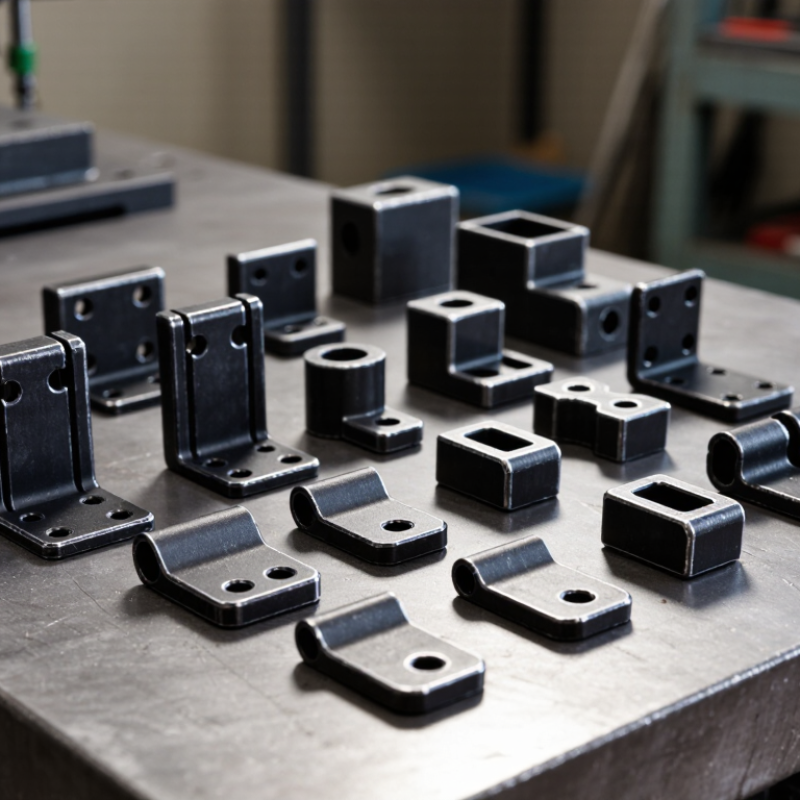
A black zinc finish is an electrodeposited zinc coating with a dark conversion layer on top. The zinc bonds to a steel part and acts as a protective barrier; the conversion layer creates the black appearance and can support corrosion resistance. It is not paint. The final color may look charcoal, blue-black, or nearly matte, depending on the process and any sealer.
ASTM B633 lists zinc coating thickness classes of 5, 8, 12, and 25 micrometres for different service conditions. These figures help specify the zinc layer, but they do not describe color or guarantee a fixed service life. That distinction matters. A black surface can look uniform while hiding differences in coating thickness, edge coverage, or preparation beneath it.
Salt-spray results need context, too. ISO 9227 defines corrosion-test methods, but a test duration is not a direct prediction of years in service. Ask for the specified coating thickness, conversion treatment, sealer, and test criteria. I’ll admit, “black zinc” can sound like one standardized finish; in practice, process details vary. A small recessed feature may also receive less uniform coverage than a flat face.
Black zinc plating is applied in stages, not by simply “painting” a dark finish onto a part. NACE’s 2016 IMPACT study estimated global corrosion costs at US$2.5 trillion annually, or about 3.4% of global GDP. That scale helps explain why coating preparation matters. A black surface can look uniform while hiding thin spots.
The shop process usually begins with degreasing, rinsing, and acid activation to remove oil and oxide. The part is then immersed in an electrolyte and connected to an electrical circuit. Zinc deposits onto the metal surface; operators control current, time, and bath conditions to manage coverage and thickness. After rinsing, a black conversion treatment darkens the zinc layer, and a sealer may be added before drying. ASTM B633 specifies zinc coating thickness classes of 5, 8, 12, and 25 micrometres for steel parts. The right class depends on the part and service environment. Recesses and sharp edges can still plate unevenly. Real production is not always tidy.
Tips: Confirm the required thickness and corrosion test with the plater before production. Check hidden faces, threads, and contact points on sample parts. Black color alone is not proof of coating thickness or protection.
Black zinc finish gives metal parts a dark, low-gloss appearance while adding a protective zinc layer. On steel, zinc can corrode before the underlying metal, helping slow rust when the coating is scratched. The black conversion layer changes the surface color and may add further corrosion resistance. It is not magic.
The visual effect is practical as well as decorative. Fasteners, brackets, and small hardware can blend into dark assemblies instead of catching the eye. Under bright workshop lighting, the finish may look charcoal; in shadow, it can appear almost black. Appearance varies with the process, sealant, and surface preparation, so samples are worth checking before specifying a large batch.
Protection has limits. A thin coating can wear at threads, edges, or contact points, especially where parts rub together. Salt, moisture, and handling also affect service life. Ask for coating thickness and corrosion-test results relevant to the actual environment, rather than relying on color alone. A black surface can hide early wear, too. That detail is easy to overlook. Regular inspection may still be sensible for exposed or frequently handled parts.
| Dimension | What the Finish Provides | Practical Benefit | Important Consideration |
|---|---|---|---|
| Corrosion protection | Zinc plating provides a sacrificial coating: zinc corrodes preferentially to exposed steel when the coating is damaged. | Can help protect steel parts from corrosion in suitable indoor or moderately corrosive service conditions. | Protection depends on coating thickness, passivation, any sealer, part geometry, and exposure. Black color alone does not indicate a specific corrosion rating. |
| Black appearance | A black conversion coating or passivation layer over zinc creates a dark finish, commonly ranging from charcoal to black. | Provides a subdued, low-gloss appearance for visible hardware, brackets, fasteners, and components. | Shade and gloss can vary with the process, material, part shape, and finishing conditions. Specify an approved sample when appearance matching matters. |
| Coverage on complex parts | Electroplating deposits zinc on conductive surfaces, including many small or detailed metal components. | Can finish items such as screws, clips, stamped parts, and machined components without adding a thick paint layer. | Recesses and shielded areas may receive less deposit because electroplating coverage depends on part geometry and current distribution. |
| Dimensional impact | Zinc plating adds a coating layer to the surface and is generally thinner than many paint or powder-coat systems. | May suit parts where a relatively thin finish is preferred. | Plating still changes dimensions and can affect threads or tight tolerances. Confirm coating thickness and masking requirements on critical features. |
| Wear and handling | The black conversion layer is a surface treatment over zinc; optional sealers or topcoats may be used in some specifications. | Can give parts a finished appearance and provide an additional protective layer when the specified process includes one. | The conversion layer may be less abrasion-resistant than the underlying metal. Scratches or heavy wear can expose zinc or the base metal. |
| Electrical and assembly needs | Zinc is electrically conductive, but conversion coatings, sealers, and contact conditions can affect surface resistance. | May be suitable for many general-purpose metal assemblies when the finish is selected to match the application. | For grounding, bonding, or low-resistance contacts, verify electrical requirements with the finisher and test the completed assembly. |
| Specification and verification | Performance can be specified through coating requirements, corrosion testing, and appearance criteria. | Clear specifications help make finish quality more consistent across production lots. | Define the substrate, coating thickness, passivation or sealer, appearance, and applicable test method. Salt-spray results are test-specific and do not directly predict service life. |
Black zinc is commonly used on steel fasteners, screws, washers, hinges, clips, and stamped brackets. It also appears on automotive hardware, appliance fittings, and electrical enclosure components. The dark surface can reduce glare and blend with black housings or trim. Small parts matter.
The U.S. Geological Survey’s Mineral Commodity Summaries 2025 reports that galvanizing accounted for about 55% of U.S. zinc use in 2024. This figure covers zinc coatings broadly, not black zinc specifically. It helps explain why zinc-plated steel components are common across construction, transport, and general manufacturing. Black zinc is typically chosen when those parts also need a dark finish.
Use it for indoor hardware and components exposed to occasional moisture, but assess harsher conditions carefully. A screw under a vehicle or beside a damp machine may need a more robust coating system. Specify coating thickness, a suitable sealer, and corrosion-test requirements; appearance alone cannot predict service life. ASTM B633 covers electrodeposited zinc coatings on iron and steel, but the final performance depends on the selected coating system and part design. I would not treat a black finish as a substitute for application testing.
Black zinc finish gives steel parts a dark, low-glare appearance while adding a zinc-based protective layer. Its performance depends on more than color. Base-metal cleanliness, coating thickness, conversion treatment, and any sealer all affect corrosion resistance. Ask for the specified coating process and test results, not just a color sample. A fastener that looks right under bright lights may appear different in a shaded assembly.
Match the finish to the part’s actual environment. Indoor brackets or machine covers may need less protection than components exposed to moisture, salt, or frequent handling. Black zinc is not a substitute for stainless steel, and scratches can expose the underlying metal. Abrasion matters. Check whether edges, threads, and recesses receive adequate coverage; these details are easy to overlook. Electroplating high-strength steel can also create hydrogen-embrittlement concerns, so confirm suitable controls with the finishing supplier and part specification. Color can vary between batches, too. That may be acceptable for hidden hardware, but distracting across a visible panel. I would avoid choosing it on appearance alone; even a small test batch can reveal fit, friction, and shade issues before full production.
It is often used on steel screws, washers, hinges, clips, and stamped brackets. Small parts matter.
Its dark surface can reduce glare and blend with black housings, trim, or appliance fittings.
It can suit indoor hardware and parts exposed to occasional moisture, such as a machine cover in a dry room.
Not automatically. Salt, frequent moisture, and abrasion may require a more robust coating system.
Coating thickness, surface preparation, conversion treatment, and sealer all matter. Color alone tells you little.
Inspect edges, threads, and recesses for coverage. Check the coating requirements and relevant corrosion-test results, too.
Yes. Scratches can expose the base metal, so consider handling and wear before choosing this finish.
Yes, color can vary. That may be fine for hidden hardware but noticeable across a visible panel. I might be overthinking the shade, yet a small test batch can help.
Electroplating can raise hydrogen-embrittlement concerns. Confirm suitable controls with the finishing supplier and part specification.
Black Zinc Finish is a surface treatment created by applying a thin zinc coating to a metal part and then using a conversion process to produce a dark appearance. The coating can help protect the underlying metal from corrosion, while the black surface offers a clean, understated look. Its performance depends on factors such as the base material, coating thickness, preparation, and the conditions in which the part will be used.
This finish is commonly chosen for fasteners, brackets, fittings, and other components where both appearance and basic corrosion protection matter. It can suit indoor uses and some less demanding environments, but it should not be assumed to provide the same durability in every setting. Before selecting it, consider exposure to moisture, chemicals, abrasion, and outdoor conditions, as well as any required service life. Comparing these needs with the finish’s capabilities helps determine whether black zinc is an appropriate choice.

HIYIE