Electroplating is a critical process in various industries, from automotive to electronics. Choosing the right Electroplating Additives can significantly impact the final product's quality. Expert Dr. Alice Morrison, a leading authority in electroplating technology, emphasizes, "The right additives can enhance adhesion and surface finish." Her insights highlight the importance of selection criteria.
When selecting Electroplating Additives, consider your specific application and desired properties. Different additives serve unique functions, including leveling agents, brighteners, and grain refiners. Each type impacts the mechanical and aesthetic qualities of the deposit. Understanding the nuances is essential. However, navigating through numerous options can be overwhelming. Not all solutions are one-size-fits-all.
It's critical to evaluate supplier reputation and product effectiveness. Look for proven performance records and industry endorsements. Yet, some lesser-known additives might offer surprising benefits. This subtlety complicates decision-making. Balancing innovation with proven results is a constant reflection in additive selection. Remember, the best choice is not always the most popular.
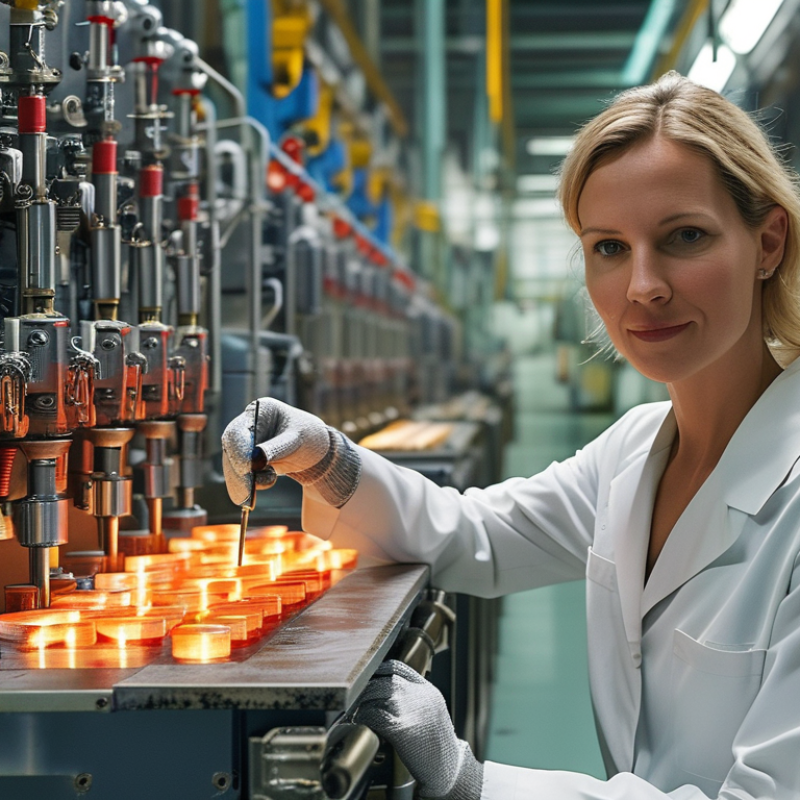
Electroplating additives play a crucial role in enhancing the quality of metal coatings. They affect properties like brightness, leveling, and the adhesion of the plated layer. According to a 2022 industry report by the Electroplating Society, about 35% of electroplating defects are linked to improper use of additives. This underscores the importance of understanding their functions.
Different additives serve varied purposes. Brighteners enhance the shine of the finish, while levelers ensure a smooth, even coating, especially in complex geometries. Additionally, surfactants can reduce surface tension, aiding in better coverage. A study highlighted that using the right combination of additives could improve plating efficiency by up to 40%. However, it's also vital to evaluate the compatibility of these additives with the base metal and the electroplating bath composition.
Selecting the correct additives requires thorough analysis. While there is a wealth of information available, the nuances can be overwhelming. Improper choices can lead to issues such as poor coating adhesion or uneven finishes. Manufacturers must continuously test and refine their processes to ensure optimal performance. Balancing costs and quality can complicate decisions, making expert advice essential in the electroplating industry.
Choosing the right electroplating additives is crucial for achieving optimal results in your projects. Several key factors should guide your selection. The chemistry of the solution is fundamental. You need to understand how different additives interact with your base materials. Various components can improve adhesion or enhance brightness, impacting the final finish.
Another important consideration is compatibility with your existing processes. Not all additives work well together. Incompatibilities can lead to issues like poor deposition or defects in the plating. It’s also vital to assess the concentration levels of the additives. Too much may destabilize the bath, while too little might be ineffective. Testing in smaller batches can provide insights into performance.
Performance consistency is another factor that often needs reflection. Some additives promise great results but can be unpredictable in real-time applications. Consider feedback from experienced professionals or past project data. Pay attention to how often an additive requires adjustments. Gathering practical experience is key to making informed choices.
When selecting electroplating additives, understanding their unique benefits is crucial. Each type of additive serves a specific purpose, impacting the quality and efficiency of the electroplating process. For instance, brighteners enhance the shine of metal surfaces. They can improve the overall aesthetic appeal of plated items. However, choosing the wrong brightener can lead to uneven finishes. So, careful experimentation is essential.
Next, there are leveling agents. These additives help in creating a smooth metal layer, filling in imperfections. Sometimes, their effectiveness may vary based on the electrolyte composition. It’s critical to assess how they interact with other additives. This requires rigor and precise control in your operations.
Finally, there are wetting agents that reduce surface tension. They play a role in improving coverage of complex shapes. While beneficial, overuse can lead to foaming issues in the bath, which hinder performance. Balancing these factors is necessary for optimal results. Understanding these nuances is key in making informed decisions for electroplating needs.
When evaluating additives for electroplating, understanding their impact on quality is crucial. Different additives can enhance brightness, improve adhesion, or reduce defects. Each type serves a unique role, whether it’s a surfactant or a brightener.
Consider the balance between functionality and cost. Some additives offer minimal enhancement without justifying their price. Testing is essential. Run trials with various concentrations to see which works best for your specific needs. Keep a record of the results to identify what leads to optimal outcomes.
There might be unforeseen challenges in the process. Additive interactions can sometimes yield unexpected defects. Regularly reviewing your methods and adjusting based on recent findings will help maintain high quality. Staying informed about advancements in electroplating science will also guide your choices effectively.
| Additive Type | Function | Impact on Quality | Performance Effects | Recommended Dosage |
|---|---|---|---|---|
| Brighteners | Enhance surface brightness | Improves finish quality | Increases leveling ability | 0.1-5 g/L |
| Leveling Agents | Promote uniform layer thickness | Enhances surface uniformity | Improves deposit quality | 0.5-10 g/L |
| Wetters | Reduce surface tension | Improves adhesion and coverage | Speeds up plating process | 1-2 mL/L |
| Stabilizers | Prevent scattering of metal ions | Stable deposits | Enhances longevity of plating | 0.2-4 g/L |
| Brightening Intermediates | Act as catalysts for brightness | Enhance gloss and luster | Improve aesthetic appeal | 1-3 g/L |
Choosing the right electroplating additives can significantly impact the quality of coatings and processes. Understanding industry standards is crucial. Each additive serves a specific purpose. Some enhance appearance, while others improve adhesion. It’s essential to assess your specific requirements. Regularly consult industry publications to stay informed.
Best practices suggest conducting thorough research before selecting additives. Look for case studies that detail effective use. Attend workshops or webinars led by industry experts. Networking with professionals helps gather diverse perspectives. However, every formulation may not suit your needs. Experimentation is sometimes necessary to find the best fit.
Documentation and testing are vital in this process. Maintain records of each additive's performance. Analyze results and refine your approach accordingly. Don't overlook feedback from your team. Engaging with end-users can provide new insights. It is important to stay flexible and adapt to new information and changing technologies.
: They enhance metal coatings' quality by improving brightness, leveling, and adhesion.
About 35% of electroplating defects arise from improper additive usage.
Brighteners enhance shine, levelers ensure smooth coatings, and surfactants help with coverage.
It can improve plating efficiency by up to 40%, enhancing overall quality.
Compatibility with base metal and the electroplating bath is essential.
Balancing costs and quality can complicate decisions in the electroplating process.
Conduct trials with different concentrations to identify optimal results.
Yes, interactions between additives may produce unforeseen defects in coatings.
Regular reviews and adjustments based on recent findings are crucial.
Staying informed about advancements helps in making effective additive choices.
Electroplating Additives play a crucial role in enhancing the quality and efficiency of the electroplating process. Understanding their functions is key to selecting the right additives for specific applications. Factors such as the type of metal being plated, desired finish quality, and the specific electroplating technique used should guide the selection process. Additionally, each type of Electroplating Additive offers unique benefits, ranging from improving deposit uniformity to enhancing corrosion resistance.
Evaluating the impact of these additives on overall electroplating performance is essential for achieving high-quality results. By adhering to industry standards and best practices, users can make informed choices that not only improve the electroplating outcome but also ensure compliance with safety and quality regulations. This strategic approach ultimately leads to better performance and longevity of the plated products.

HIYIE