China Top Alkaline Zinc Plating Manufacturers Suppliers
Selecting reliable Chinese suppliers requires more than comparing prices. Alkaline Zinc Plating depends on bath stability, surface preparation, current control, and post-treatment quality. A polished sample can hide weak process discipline. That risk deserves attention.
Frank Altmayer, a respected surface-finishing consultant and educator, emphasizes, “Surface preparation is the foundation of every successful plating process.” His point is practical. Oil, rust, and fingerprints can remain invisible before plating. Later, they may cause blistering, uneven coverage, or white corrosion.
Experienced manufacturers monitor cleaner concentration, zinc content, temperature, and current density. They also inspect racks, anodes, filters, and agitation systems. These details matter on steel brackets, fasteners, automotive parts, and appliance components. A dependable supplier should provide process records, coating-thickness reports, and corrosion-test results.
Look for evidence, not impressive language. Ask whether the supplier controls production in-house. Check laboratory equipment, operator experience, quality certificates, and export history. Clear communication also matters when specifications change.
Salt-spray performance is useful, but it is not the whole story. Real applications may involve humidity, abrasion, heat, and repeated assembly. One test cannot represent every service condition. This is where buyer judgment becomes essential.
China has many capable Alkaline Zinc Plating manufacturers and suppliers. Yet capability varies between factories. Some deliver excellent consistency. Others need stronger documentation and process control. Careful audits, sample testing, and technical discussions can reduce avoidable failures. The best partnership begins with measurable requirements, honest limitations, and a willingness to review assumptions.
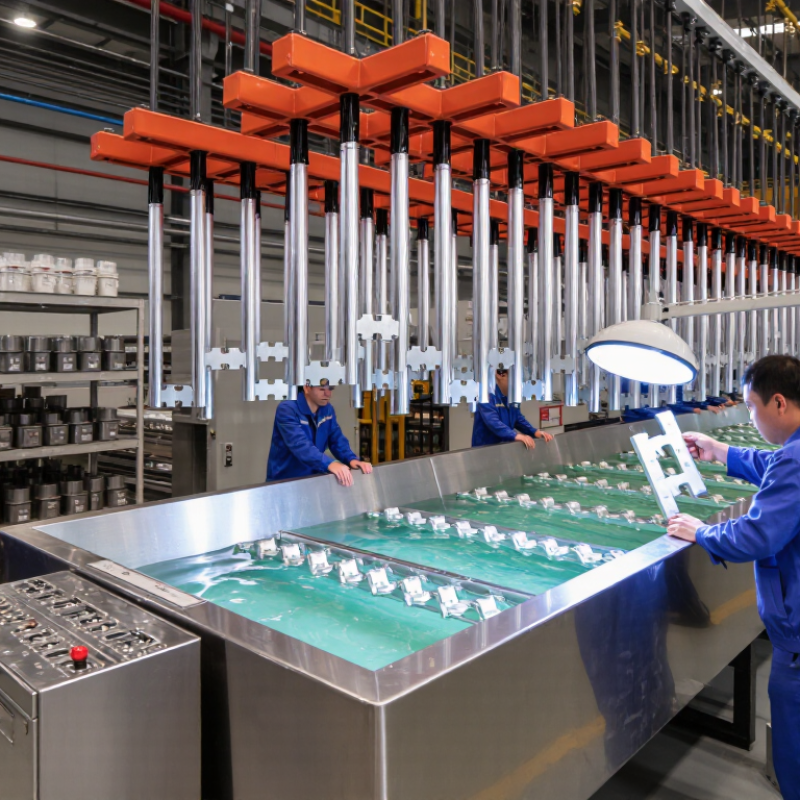
Alkaline Zinc Plating: Definition, Purpose, and Core Characteristics
Alkaline Zinc Plating: Definition, Purpose, and Core Characteristics
Alkaline zinc plating deposits a thin zinc layer onto steel through an electrolytic process. The bath uses alkaline chemistry, usually without cyanide, to improve workplace control and environmental management. Its main purpose is corrosion protection. Zinc acts as a sacrificial metal, corroding before the underlying steel. This mechanism is valuable for fasteners, brackets, stamped parts, and automotive components. The NACE IMPACT study estimated global corrosion costs at about US$2.5 trillion, or 3.4% of global GDP. That figure explains why practical surface protection still matters.
The process offers strong coverage on complex shapes and often produces a consistent appearance. However, plating quality depends on cleaning, current distribution, bath balance, temperature, and post-treatment. A bright surface is not always a durable surface. ISO 2081 provides requirements for electrodeposited zinc coatings on iron and steel, including coating designation and corrosion-related performance. The USGS Mineral Commodity Summaries 2024 reported approximately 12.0 million metric tons of global zinc mine production in 2023. Supply is substantial, but waste reduction remains necessary. Real production is rarely perfect; small pretreatment failures can create visible defects later.
Tips:
Inspect oil removal before plating, then verify coating thickness across edges and recessed areas. Keep records for bath temperature, zinc concentration, current density, and sealing time. Salt-spray results help compare processes, but they should not replace field testing. A supplier’s technical claims deserve measured verification.
How the Alkaline Zinc Plating Process Works in China
China Top Alkaline Zinc Plating Manufacturers Suppliers
How the Alkaline Zinc Plating Process Works in China
Alkaline zinc plating begins with careful surface preparation. Workers remove oil, rust, and scale through degreasing, cleaning, and activation. The parts then enter an alkaline zinc bath containing dissolved zinc and controlled additives. Direct current deposits zinc evenly across the metal surface. Bath temperature, zinc concentration, and current density need regular testing. Small changes can create dull areas, burning, or uneven thickness.
After plating, operators rinse the parts through several water stages. A conversion coating can improve corrosion resistance and create a controlled color. Final drying must prevent water marks and trapped moisture. Experienced Chinese manufacturers usually inspect coating thickness, appearance, adhesion, and corrosion performance. They may use magnetic gauges, cut tests, and salt spray testing. Test results matter, but salt spray hours do not fully predict field life. Real service conditions can be harsher.
Tips: Confirm the base metal before production. Different steel grades may need different activation methods. Share drawings, tolerance zones, and required thickness clearly. Ask suppliers for bath-control records and sample reports. Trial batches are useful. They reveal hidden issues early. In practice, no process is perfect. Parts with deep recesses may still plate unevenly, so fixture design deserves more attention than many buyers expect.
Key Products and Services Offered by Chinese Manufacturers
Chinese alkaline zinc plating manufacturers commonly provide alkaline, non-cyanide zinc plating for bolts, brackets, stamped parts, and precision hardware. Their key products include bright or matte zinc finishes, blue or clear trivalent passivation, sealers, and controlled surface colors. Rack plating suits visible components. Barrel plating reduces handling costs for small fasteners. Some suppliers also offer zinc-iron alloy coatings for higher corrosion demands.
Service quality depends on process control, not appearance alone. Manufacturers may provide degreasing, acid activation, masking, hydrogen relief baking, drying, and sorting. They often test coating thickness with X-ray fluorescence equipment and verify corrosion resistance through salt-spray testing. ASTM B633 and ISO 4042 provide useful reference points for zinc-coated steel products. The 2025 USGS Mineral Commodity Summaries estimated global zinc mine production at about 12 million metric tons in 2024, supporting zinc’s continued industrial importance.
Reliable suppliers should issue inspection reports, material certificates, RoHS and REACH declarations, and traceable batch records. They can also support sample approval, process audits, packaging design, and export documentation. A quotation may look complete but still omit thread-fit controls or post-plating torque testing. That is a real weakness. I would request coating thickness maps, salt-spray results, and photographs of threaded areas before approving mass production. Surface color can vary between batches, even when the chemistry appears stable.
China Top Alkaline Zinc Plating Manufacturers Suppliers - Key Products and Services Offered by Chinese Manufacturers
Typical nominal zinc coating thickness classes used in alkaline zinc plating services, based on common ISO 2081 designation levels.
Chinese alkaline zinc plating suppliers commonly provide alkaline non-cyanide zinc plating, zinc passivation, sealing, surface preparation, salt-spray testing, thickness inspection, and custom rack or barrel plating. The chart shows representative coating thickness classes of 5, 8, 12, and 25 micrometres. These values describe coating specifications rather than company market share or brand performance.
How to Evaluate China’s Top Zinc Plating Suppliers
China Top Alkaline Zinc Plating Manufacturers Suppliers
Evaluating China’s top zinc plating suppliers requires more than comparing prices. Check their alkaline zinc plating process, production experience, and quality controls. Ask for recent test reports covering coating thickness, adhesion, corrosion resistance, and appearance. A reliable supplier should explain its bath management, rack design, and inspection methods clearly. Request samples made from the same steel grade as your parts. Small differences in geometry can change plating results.
Tips: Visit the facility when possible. Observe cleaning, rinsing, plating, and drying areas. Review calibration records for thickness gauges and salt spray equipment. Confirm whether the supplier can control hydrogen embrittlement risks for high-strength steel. Discuss rejected parts, rework rules, packaging, and traceability before signing an agreement. Communication matters. Slow technical replies may signal weak project support.
Do not rely only on certificates or attractive factory photographs. A supplier may have capable equipment but limited experience with your product shape. Compare pilot samples under identical test conditions. Review dimensional changes around threads, holes, and contact surfaces. Ask for a corrective-action report when results fail. This reveals practical competence. I would also keep a second qualified source, because even a strong supplier can face bath instability or unexpected capacity limits. Good evaluation is careful, repeatable, and slightly skeptical.
Industries and Applications Served by Alkaline Zinc Plating Companies
Alkaline zinc plating companies serve automotive, appliance, electrical, construction, and general hardware industries. Their coatings protect steel fasteners, brackets, hinges, clips, and cabinet parts from corrosion. Automotive suppliers often select alkaline systems for complex shapes and recessed areas. These baths can provide more even coverage than some acid processes. That matters on threaded parts and stamped components.
The International Lead and Zinc Study Group reported global refined zinc usage near 14 million metric tons in 2023. The USGS Mineral Commodity Summaries 2024 also recorded about 12 million metric tons of mined zinc production worldwide in 2023. These figures show zinc’s broad industrial importance, although they do not measure plating demand directly. In production, suppliers commonly use rack or barrel plating, followed by rinsing, passivation, and controlled drying. Coating thickness, hydrogen embrittlement risk, and salt-spray performance must match the application. Results can vary.
Tips: Ask for coating thickness records, bath-control data, and corrosion-test evidence. Confirm whether the process suits high-strength steel. A supplier should explain pretreatment, passivation, and inspection methods clearly. Do not judge quality by appearance alone. White corrosion may appear later, even when fresh parts look excellent. Periodic audits and sample testing remain practical safeguards.
FAQS
It deposits a protective zinc layer onto steel using an alkaline solution and direct electric current. Small changes matter. Bath chemistry, temperature, and current density affect the final coating.
Workers remove oil, rust, and scale through degreasing, cleaning, and surface activation. Poor preparation can cause peeling, dull patches, or uneven coverage. This stage deserves more attention.
Clean parts enter a controlled bath containing dissolved zinc and process additives. Electric current draws zinc onto the metal surface. Recessed areas may receive less coating.
Common choices include bright zinc, matte zinc, and controlled conversion-coating colors. Additional sealers can improve corrosion resistance. Color consistency is not always perfect between batches.
Rack plating suits visible or delicate components that need careful positioning. Barrel plating suits small fasteners and can reduce handling costs. The wrong method may mark surfaces or reduce uniformity.
Inspectors may check thickness, appearance, adhesion, and corrosion performance. Magnetic gauges, cut tests, and salt-spray testing are common methods. Test hours are useful, but they do not guarantee field life.
Share drawings, tolerance zones, base-metal grades, and required coating thickness. Mention threads, holes, contact surfaces, and visible areas. Clear details prevent avoidable rework.
Request same-material samples, recent test reports, calibration records, and traceable batch documents. Review cleaning, rinsing, plating, and drying areas when possible. Factory photographs are not enough.
High-strength steel may require controls for hydrogen embrittlement during and after plating. Discuss activation methods, relief baking, inspection, and rejection rules. The process is not foolproof.
Trial batches reveal uneven coating, thread interference, color variation, and fixture problems early. Compare samples under identical conditions. A second qualified source can reduce supply risk.
Conclusion
Alkaline Zinc Plating is a widely used surface treatment that protects steel and iron components from corrosion while providing a clean, uniform, and durable finish. Compared with acidic systems, alkaline plating can offer improved coverage on complex shapes and better control over appearance and coating thickness. In China, manufacturers typically prepare, clean, and activate the metal surface before applying zinc through a controlled electrochemical process. Post-treatment steps, such as rinsing, passivation, drying, and quality inspection, help improve corrosion resistance and product consistency.
Chinese Alkaline Zinc Plating suppliers commonly provide plating, finishing, testing, customized production, and technical support for different component sizes and specifications. When evaluating a supplier, buyers should consider process stability, coating performance, production capacity, certifications, inspection methods, delivery reliability, and environmental management. These companies serve industries including automotive parts, machinery, hardware, construction equipment, electrical products, and general industrial manufacturing, supplying treated fasteners, brackets, housings, fittings, and precision components.

 HIYIE
HIYIE