Top 10 Plating Brightener Products for Global Buyers?

Time:2026-08-18 Author:Isabella
0%

The plating industry is continuously evolving, with innovations such as Plating Brighteners gaining traction. In 2022, the global market for plating chemicals was valued at approximately $20 billion. It is projected to grow at a CAGR of 6% from 2023 to 2030. This growth underscores the importance of enhancing metal surfaces through advanced technologies.

Plating Brighteners play a crucial role in this sector. They improve the appearance and performance of plated surfaces, making them more appealing to consumers. Many manufacturers rely on these products for achieving high-quality finishes. According to industry reports, nearly 50% of metal finishing companies attribute their success to effective use of plating additives, including brighteners.

Despite the benefits, there are challenges. Some buyers struggle to identify reliable suppliers and high-quality products. Additionally, not all brighteners perform equally across different substrates. This inconsistency can create doubts about efficacy. As we delve into the top 10 Plating Brightener products, it's essential to navigate these complexities, ensuring informed choices for diverse plating needs.
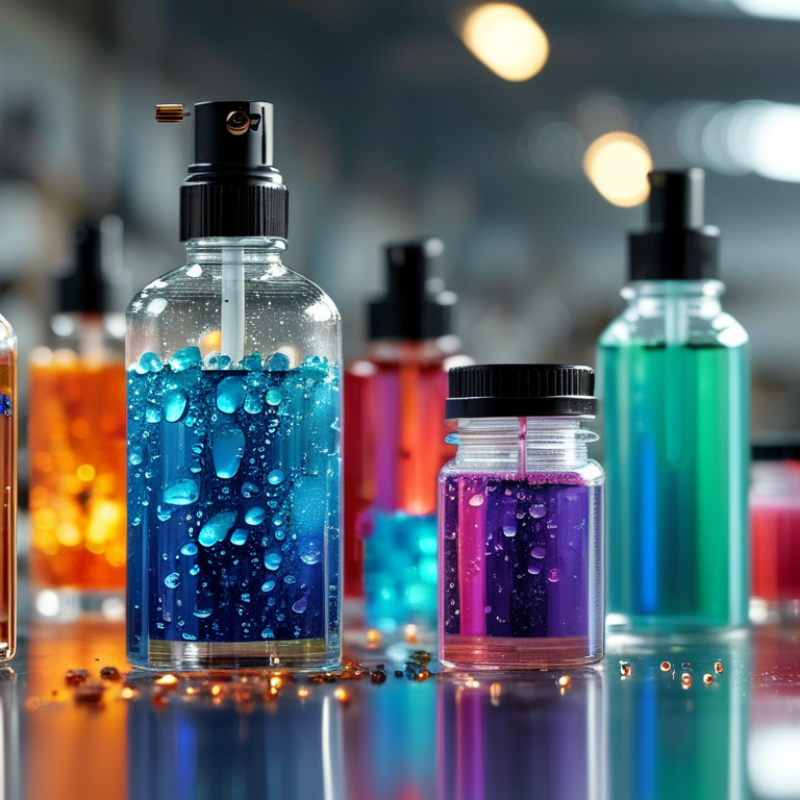
Top 10 Plating Brightener Products for Global Buyers?

Overview of Plating Brighteners in the Market

In the competitive landscape of plating brighteners, the market offers a variety of options for buyers worldwide. Plating brighteners are chemical additives that enhance the quality and appearance of metal products. They contribute to a smooth, glossy finish that is crucial for aesthetic appeal. These products are essential in industries such as electronics, automotive, and jewelry manufacturing. The effectiveness of a brightener can vary based on the substrate and the specific electroplating process used.

Many buyers seek innovative solutions to optimize their plating processes. Factors like substrate type and desired finish play a vital role in selecting the right brightener. Additionally, the effectiveness of these chemicals may fluctuate based on operational conditions. It's not uncommon to encounter challenges. For instance, achieving a uniform finish can be tricky, especially with varying bath compositions. Some brightening agents may lead to unpredictable outcomes in certain plating conditions. Buyers need to adopt a careful approach to understand the nuances of these products to avoid costly errors.

Moreover, consistency is key in plating success. While many brighteners promise impressive results, not all live up to expectations. It's crucial for users to be aware that trial and error can be part of the learning process. Engaging with suppliers and seeking feedback from industry peers can enhance decision-making. By prioritizing clear communication and continuous evaluation, buyers can navigate the complex world of plating brighteners more effectively.

Key Features to Consider When Choosing Plating Brighteners

When selecting plating brighteners, several key features need consideration. The effectiveness of a brightener often hinges on its ability to enhance surface quality. According to the Global Coatings Market Report 2023, over 60% of manufacturers prioritize brightness and gloss as top criteria when choosing plating additives.

Another factor is compatibility with existing processes. A brightener should work seamlessly with current plating solutions. Research indicates that over 40% of production delays stem from product incompatibility. It's crucial to evaluate whether a brightener can integrate smoothly into established workflows.

Cost-effectiveness also plays a significant role. While high-quality brighteners may come at a premium, they can prove beneficial in the long run. A well-chosen brightener can reduce defects, ensuring better product quality and reducing rework costs. Thus, it's essential to weigh the initial investment against potential savings.

Top 10 Plating Brightener Products for Global Buyers

Product Name Type Application pH Range Key Benefits
Brightener A Organic Compound Nickel Plating 4.0 - 5.0 Improves brightness and surface finish
Brightener B Additive Copper Plating 6.0 - 8.0 Enhances deposit quality
Brightener C Surfactant Zinc Plating 5.0 - 7.0 Reduces acid etching
Brightener D Cationic Agent Gold Plating 3.5 - 5.5 Improves adherence and shine
Brightener E Polymer Silver Plating 4.5 - 6.5 Higher corrosion resistance
Brightener F Inorganic Compound Tin Plating 5.0 - 7.0 Excellent leveling agent
Brightener G Complexing Agent Aluminum Plating 4.0 - 6.0 Enhanced distribution on surface
Brightener H Acidic Brightener Nickel Plating 3.0 - 5.5 Produces a high luster finish
Brightener I Nonionic Agent Copper Plating 5.5 - 7.5 Improves brightness without pH impact
Brightener J Eco-Friendly Zinc-Nickel Alloy 6.0 - 8.0 Biodegradable and safe for environment

Top 10 Recommended Plating Brightener Products

When it comes to plating brighteners, several products stand out in the market. These brighteners enhance the finish of metal surfaces, ensuring a polished and appealing look. As we explore some of the top recommendations, one must remember the importance of selecting the right formulation for specific applications.

A good plating brightener should deliver consistent results without overloading the surface. It can help achieve the desired shine while maintaining the underlying metal’s integrity. Many users notice the difference between average and superior quality brighteners in their everyday applications. Using a brightener that lacks reliability can lead to unsatisfactory finishes and unexpected costs.

Finding the ideal product may involve some trial and error. Testing various formulations can provide valuable insights into their performance under different conditions. Reflecting on past experiences can help refine choices and avoid future issues. The key is to balance effectiveness with safety, ensuring that the selected products meet necessary industry standards. This thoughtful approach can lead to better outcomes in the plating process.

Comparative Analysis of Leading Brightening Agents

When comparing brightening agents in plating, it's essential to consider their effectiveness and compatibility. The market offers various products, each with unique formulations. Certain agents enhance brightness while others focus on corrosion resistance. Users often find that results can vary based on application conditions.

In-depth analysis reveals that some brighteners work best with specific substrates. Performance may differ depending on factors like temperature and solution pH. Testing multiple agents can lead to unexpected results. Many users note that a brightening agent might excel in one application but fail in another. This inconsistency highlights the importance of extensive testing before making a selection.

Relying solely on product claims can be misleading. Experience and experimentation are crucial for definitive results. Users should document their processes and outcomes. This practice promotes a clearer understanding of how different agents perform. Experimentation leads to a more reliable choice, ultimately benefiting overall plating quality.

Top 10 Plating Brightener Products Comparative Analysis

Applications and Benefits of Using Plating Brighteners

Plating brighteners play a crucial role in enhancing the quality and appearance of metal finishes. They improve the brightness, smoothness, and overall aesthetic appeal of plated surfaces. In various industries, including automotive and electronics, the demand for high-quality finishes is growing. A report from Smithers shows that the global plating chemicals market is projected to reach over $25 billion by 2026, highlighting the relevance of plating brighteners.

The benefits of using plating brighteners extend beyond mere aesthetics. They improve corrosion resistance and increase durability. Data indicates that effective brighteners can reduce surface roughness, leading to better performance in practical applications. However, the challenge lies in selecting the right brightener, as formulation can significantly impact outcomes. Evaluating factors like compatibility and stability is crucial. Many manufacturers face difficulty finding the optimal balance between brightness and mechanical properties.

Some brighteners may lead to inconsistent results. It's essential for companies to monitor the quality of their plating processes closely. Inconsistent application can result in variations in finish quality, causing frustration. Conducting thorough testing and making adjustments is a must. As the industry evolves, staying informed about the latest advancements is key to achieving superior plating outcomes. Users must be vigilant in sourcing reliable materials and employing best practices.

FAQS

: What should I consider when choosing a plating brightener?

: Look at effectiveness, compatibility, and cost-effectiveness. Each factor directly impacts surface quality and process efficiency.

Why is surface quality important for plating?

Enhanced surface quality improves the aesthetic appeal and durability of the finished product. This affects customer satisfaction directly.

How can product compatibility impact production?

Incompatibility can cause production delays. Research shows that over 40% of delays are linked to using mismatched products.

Is the cost of a brightener always indicative of its effectiveness?

Not necessarily. High-quality brighteners may cost more but can reduce defects and rework costs in the long run.

Why is testing multiple brighteners recommended?

Results can vary with conditions like temperature and pH. Some agents may excel in one application but fail in another.

Should I trust all product claims?

No, relying solely on claims can be misleading. Real-world experimentation and experience provide a more accurate assessment.

How do brighteners improve metal finishes?

They enhance brightness, smoothness, and corrosion resistance. These factors are crucial for industries like automotive and electronics.

What challenges do manufacturers face with brighteners?

Finding the right balance between brightness and mechanical properties can be difficult. Inconsistent results frustrate many manufacturers.

How important is ongoing monitoring of plating processes?

Extremely important. Continuous quality checks prevent variations in finish quality and help maintain customer satisfaction.

What should companies focus on for superior plating outcomes?

Companies must stay informed about advancements, test thoroughly, and source reliable materials to enhance their processes.

Conclusion

Plating brighteners are essential additives in the electroplating process, enhancing the aesthetic appeal and performance of metal finishes. This article provides an overview of the various plating brighteners available in the market, highlighting their key features that buyers should consider when selecting the right product.

The discussion includes a detailed comparative analysis of the top 10 recommended plating brightener products, evaluating their effectiveness and suitability for different applications. The benefits of using plating brighteners are also examined, demonstrating how they contribute to improved surface quality and increased durability of the plated items. Overall, understanding these factors is crucial for global buyers seeking to optimize their electroplating processes.


Isabella

Isabella

Isabella is a dedicated marketing professional with a sharp focus on driving brand growth and engagement through strategic content creation. With an extensive background in digital marketing, she combines her passion for storytelling with her keen understanding of industry trends to deliver......