In the competitive world of metal finishing, selecting the right Silver Plating Brightener is crucial. Buyers are seeking reliable products that enhance quality while maintaining cost-effectiveness. A good brightener boosts brightness and ensures a smooth finish on silver plating, making it appealing for various applications.
Understanding the unique characteristics of each brightener is essential. Some claim to provide superior shine, but do they deliver consistently? Research is vital. Industry experts emphasize the importance of thorough testing and quality assessments. Not every product on the market meets the high standards expected in professional applications.
Market trends indicate a growing demand for innovative silver plating solutions. Buyers must remain cautious. With so many options, not all brighteners are effective. It's necessary to weigh the benefits against potential shortcomings. Engaging with manufacturers and seeking recommendations can foster informed decisions in the quest for the best Silver Plating Brightener.
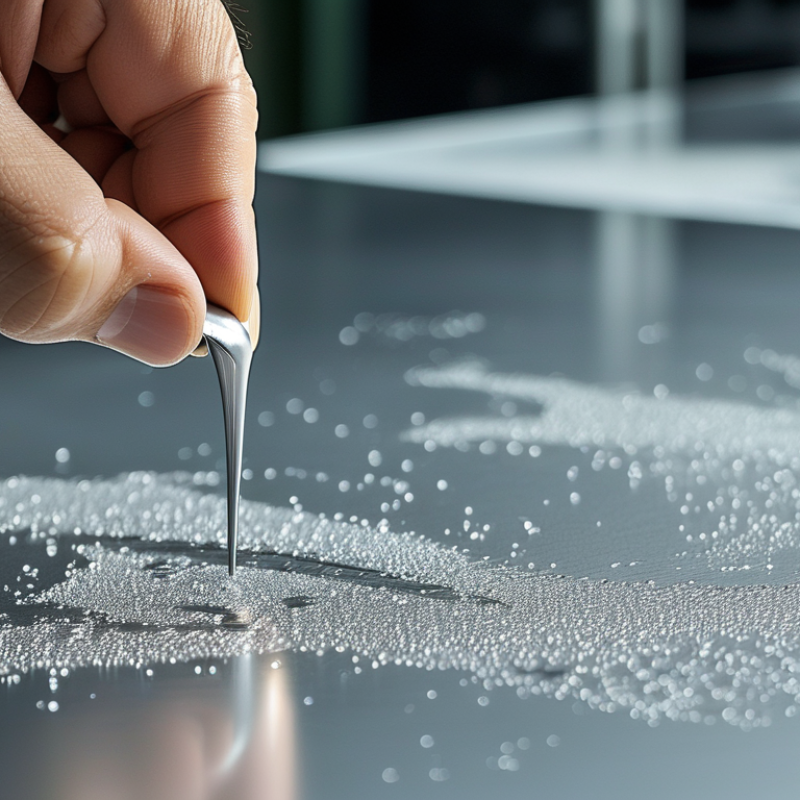
In recent years, the demand for silver plating brighteners has seen significant growth. According to industry reports, the silver plating market is projected to reach USD 10 billion by 2026. This rising trend is largely driven by the increasing application of silver in electronics, jewelry, and automotive sectors. Research indicates a compound annual growth rate (CAGR) of around 6% during this period.
However, the market is not without its challenges. The availability of raw materials has become a concern, impacting production schedules. Additionally, environmental regulations are evolving, requiring manufacturers to adopt sustainable practices. A survey revealed that over 40% of companies are investing in eco-friendly formulations. This adjustment seems essential, given the growing consumer focus on sustainability.
Buyers are also looking for quality and performance. A significant factor influencing purchasing decisions is the brightener's ability to enhance deposit quality. Data shows that products achieving the highest brightness and uniformity are preferred, reflecting the market's evolving standards. Despite this, some products fall short in delivering consistent results, prompting buyers to seek alternatives.
The silver plating industry is undergoing significant transformations as it approaches 2026. Various factors are driving growth in the market for silver plating brighteners. Demand for enhanced aesthetic appeal in products is one of these factors. Industries such as electronics and jewelry are moving towards brighter and more reflective finishes. This trend compels manufacturers to seek advanced brightening solutions.
Technological advancements contribute significantly to the rise of silver plating brighteners. Innovations in chemical formulations are leading to faster and more effective plating processes. These developments enhance efficiency and reduce costs for manufacturers. The ability to achieve superior brightness with minimal effort is attractive to global buyers.
Tips for choosing silver plating brighteners include understanding the specific needs of your application. Some brighteners work better in particular environments. Trial and error may be necessary to determine the optimal solution. Additionally, consider the environmental impact of the brightening agents used. Sustainability is becoming a crucial factor for consumers and manufacturers alike. Always evaluate the reliability of the sources and ensure that they adhere to safety standards. Knowing these aspects can guide buyers in making informed decisions.
| Factors Driving Growth | Estimated Market Share (%) | Key Applications | Projected Growth Rate (CAGR %) |
|---|---|---|---|
| Increasing Demand for Electronics | 25% | Consumer Electronics | 7% |
| Advancements in Coating Technologies | 20% | Automotive Parts | 6.5% |
| Growth in Jewelry Manufacturing | 15% | Luxury Goods | 5.5% |
| Sustainability Initiatives | 10% | Industrial Applications | 4% |
| Regulatory Compliance | 5% | Medical Devices | 3% |
| Emerging Markets Expansion | 25% | Telecommunication | 8% |
The silver plating industry continues to grow, driven by increased demand across various sectors. Buyers are seeking reliable suppliers of silver plating brighteners, which are crucial for achieving optimal finish and durability. Key players in the market have established significant shares, driven by innovations and quality assurance. These suppliers vary in scale and geographic reach, impacting their ability to meet diverse customer needs.
Recent trends show that smaller suppliers are gaining traction, often offering specialized products tailored to specific applications. These niche players challenge larger companies by providing unique solutions. However, they also face challenges such as limited resources and market visibility. Buyers must consider these factors when choosing suppliers.
Understanding market trends can help buyers make informed decisions. Supplier reliability and product performance are paramount in the selection process. Evaluating suppliers based on experience and customer reviews is essential. It's important to approach this landscape with a critical eye, as not all suppliers will meet expectations. Balancing cost and quality can sometimes lead to difficult choices for buyers in this competitive market.
The silver plating industry is undergoing significant changes, especially in the development of eco-friendly brighteners. These innovations stem from the growing awareness of environmental issues in manufacturing. Sustainable brighteners offer similar performance while reducing harmful chemicals. Reports indicate that the demand for eco-friendly solutions has surged by 25% in the past two years.
Many industries are turning to greener alternatives. Traditional silver plating often involves toxic components like cyanides and heavy metals. New formulations focus on organic compounds. This shift not only benefits the environment but also enhances workplace safety. The global market for eco-friendly silver plating brighteners is projected to exceed $500 million by 2026.
Implementing these solutions requires investment in research and technology. Not all companies are prepared for such changes. Many still rely on outdated processes, resulting in subpar solutions that harm their reputation. Continuous improvement is essential. The challenge lies in ensuring consistent quality while adopting sustainable practices. As the market evolves, stakeholders must adapt to remain competitive.
This chart illustrates the performance ratings of various eco-friendly silver plating brighteners anticipated for 2026. Each product has been evaluated based on its efficiency and sustainability in the silver plating process.
In 2026, silver plating brighteners play a crucial role across various industries, including electronics, jewelry, and automotive. These brighteners enhance the appearance and conductivity of silver coatings. In the electronics sector, for instance, the global demand for silver plating is projected to reach 200,000 tons, reflecting a growth of 4% annually. The use of advanced brighteners achieves a high-quality, reflective finish essential for electronic components.
In jewelry manufacturing, brighteners are particularly valued for their ability to create a brilliant, polished look. With rising consumer interest in sustainable and ethical sourcing, the jewelry industry is also examining the environmental impact of these brighteners. Over 30% of manufacturers report a need for more eco-friendly options, indicating an imperative for research and development in this area.
Despite their benefits, challenges remain in achieving consistent quality. Some manufacturers face difficulties in balancing cost and performance when selecting the right brightener. Variability in batch quality can affect production runs, leading to undesirable results. These ongoing concerns highlight the need for greater standardization and collaboration among suppliers and manufacturers to ensure reliability in the silver plating process.
: The demand is driven by applications in electronics, jewelry, and automotive sectors.
The market is projected to reach USD 10 billion by 2026.
The CAGR is around 6% during this period.
Raw material availability and evolving environmental regulations are major challenges.
Over 40% of companies are investing in eco-friendly formulations.
Buyers seek brighteners that enhance deposit quality and consistency.
There is a shift towards eco-friendly formulations using organic compounds.
The demand for eco-friendly solutions has surged by 25% in the past two years.
Traditional methods often involve toxic components like cyanides and heavy metals.
Many companies rely on outdated processes, risking their reputation; the market demands innovation.
The article "2026 Top Silver Plating Brightener for Global Buyers" explores the evolving landscape of silver plating brighteners, highlighting significant market demand trends anticipated in 2026. A combination of factors, including increased industrial applications and a growing preference for eco-friendly solutions, is driving the growth of silver plating brighteners.
Additionally, the article identifies the leading suppliers in the market and their respective shares, emphasizing the competitive dynamics within the industry. Innovations in formulations are also discussed, particularly focusing on sustainable options that meet environmental standards. With applications spanning various sectors, silver plating brighteners are set to play a crucial role in enhancing product aesthetics and functionality in the coming years.

HIYIE