 HIYIE
HIYIE
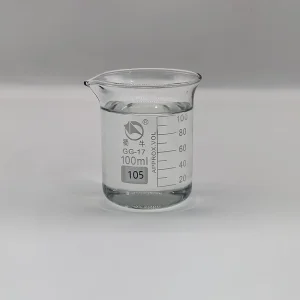
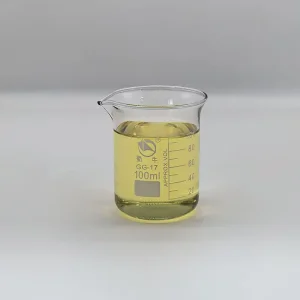
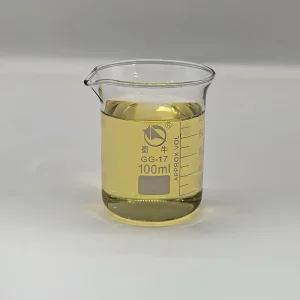
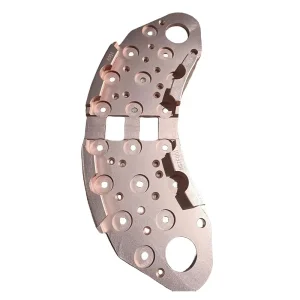
Global Industrial Context of Zinc Plating Additives
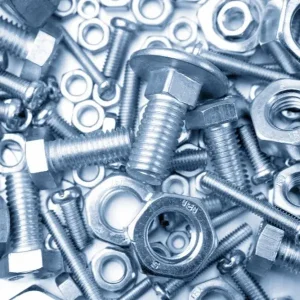
Electroplating acts as a key industrial safeguard against rust and wear. Acidic and alkaline zinc electroplating systems protect fasteners, automotive brackets, stamping parts, and structural steel from oxidation. Without zinc plating brighteners, electrodeposited zinc coats are rough, dull, and prone to dendritic growth. Additives and brighteners act as organic agents that control electrodeposition at the micro-level.
Globally, the metal finishing sector is shifting toward cleaner chemistry. While acid zinc processes yield bright finishes at high efficiency, they struggle with thickness distribution on complex shapes. Traditional cyanide-rich alkaline zinc baths provide excellent throwing power, but present significant safety hazards. Modern metal finishing relies on alkaline cyanide-free zinc plating brighteners (such as Hiyie's 8315 formulation) to balance safety, performance, and corrosion protection.
Understanding the Brightening Mechanism
Brighteners contain organic compounds like quaternary ammonium salts, polyethers, and aromatic aldehydes. These additives selectively polarize high-current-density regions on the cathode surface. By restricting localized ion flow, they force zinc ions to deposit in a uniform, microcrystalline structure. This structural refinement yields a reflective, mirror-like finish with improved density and corrosion resistance.
Technical Differences: Alkaline vs. Acid Zinc Electroplating Baths
Selecting a plating chemistry requires balancing substrate geometry, productivity targets, and wastewater limits. The table below outlines key operational differences:
| Parameters & Features | Alkaline Cyanide-Free Zinc (e.g., 8315) | Acid Chloride Zinc Plating | Zinc-Nickel Alloy Plating (e.g., 6185) |
|---|---|---|---|
| Throwing Power | Excellent (85-95% coverage) | Moderate (50-65% coverage) | Excellent (uniform alloy ratio) |
| Corrosion Resistance (Neutral Salt Spray) | High (with trivalent passivation) | Moderate | Ultra-High (up to 1000 hrs to red rust) |
| Ductility of Deposit | Superior (minimal hydrogen embrittlement) | Moderate to low (internal stress risk) | High tensile limit properties |
| Substrate Compatibility | Cast iron, high-carbon steel, stamping parts | Castings, complex wire goods, sheet metal | High-strength steel fasteners & brackets |
| Wastewater Treatment | Simple neutralization, low organics load | Requires treatment for high surfactants | Requires nickel removal treatment |
Technological Roadmap and Future Outlook
Sustainable industrial chemistry must continually evolve to meet new standards. Future surface finishing technologies prioritize green, high-strength chemical paths, including:
- Cobalt-Free Trivalent Passivation: Cobalt is facing stricter REACH classification. Suzhou Hiyie is developing alternatives, such as our 216 High Corrosion-resistant Iridescent Trivalent Passivation, which uses non-cobalt transition metal complexes.
- Biodegradable Surfactants & Complexing Agents: Modern carrier compounds must degrade quickly in wastewater. Our R&D is replacing nonylphenol ethoxylates (NPOs) with green polyols.
- Intelligent Dosing Additives: Integrating digital sensors with dosing systems helps plating plants adjust brightener concentrations dynamically based on real-time Ampere-hours (Ah).
- Zinc-Nickel Alloy Optimization: The automotive sector requires higher thermal stability. Zinc-Nickel alloy baths (like our 6185 series) offer improved heat resistance and wear protection for engine compartments and underbody brackets.
China's Supply Chain Resilience & Manufacturing Efficiency
Purchasing industrial chemicals requires consistent quality and stable supply lines. China's chemical supply chain offers several distinct advantages:
Upstream Chemical Integration: China is a leading producer of key organic precursors, amines, and chemical intermediates. Suzhou Hiyie sources raw materials directly from local suppliers, protecting our production lines from international shipping delays and raw material price spikes.
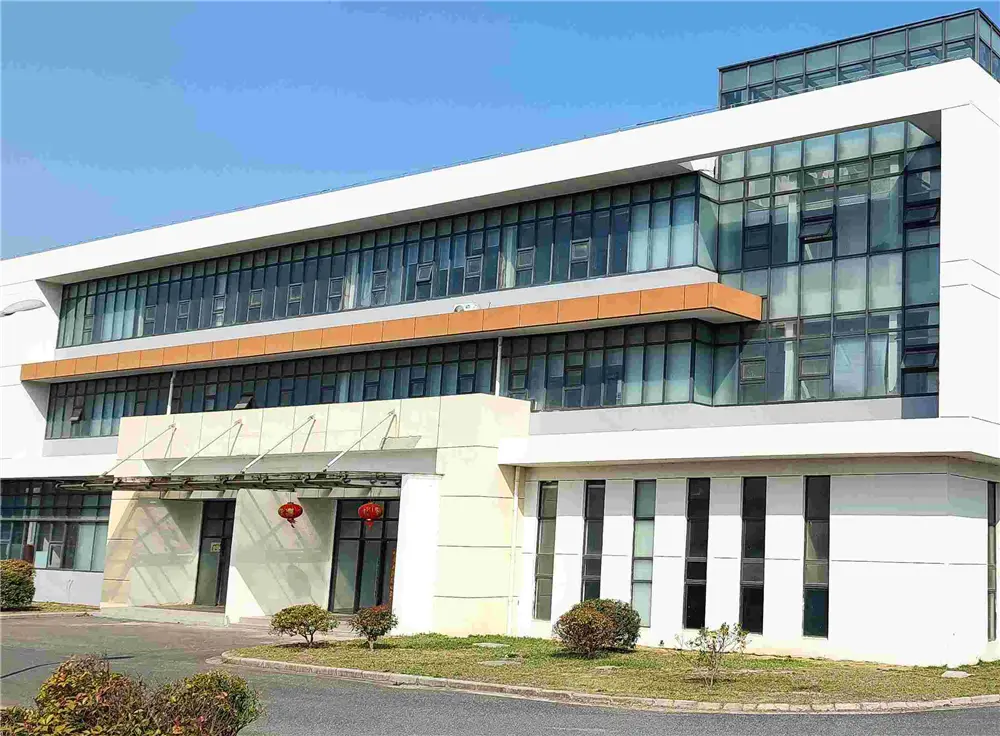
Integrated Chemical Logistics: Located in Suzhou within the Yangtze River Delta, Hiyie benefits from a robust regional network of deepwater ports (Shanghai, Ningbo), rail corridors, and hazardous-material transport lanes. This infrastructure helps reduce international shipping lead times and freight costs.
Strict Quality Control: Our automated synthesis units use DCS controls to monitor temperatures, addition rates, and reaction endpoints. Every shipment undergoes spectrophotometric, chromatographic, and Hull cell testing to ensure consistent batch quality.
Localized Applications: Engineering Case Studies
Metal finishing solutions require customization to fit localized plant conditions and regional requirements:
1. High-Tensile Automotive Fasteners (Chongqing & Jilin Hubs)
Automotive plants need uniform zinc distribution to maintain precise thread torque values. Using Hiyie's 6185 Alkaline Zinc-Nickel system alongside 216 Trivalent Passivation prevents white rust for over 240 hours and red rust for 1000 hours in neutral salt spray tests, while keeping hydrogen embrittlement to a minimum.
2. Consumer Electronic Hardware (Guangdong Manufacturing Corridor)
Modern smartphone internal frames and antenna components require thin, high-conductivity, aesthetic coatings. Our 31685 Rapid Brightening Nickel provides brilliant levelling in short plating cycles, optimizing line speeds and reducing chemical waste.
3. Wind Power & Photovoltaic Structural Mounts (Northern China Industrial Zone)
Outdoor power equipment must withstand high moisture and sulfur dioxide exposure. Heavy structural mounts treated with 8315 Alkaline Zinc Plating and ZN-318 Trivalent Passivation show excellent resistance to cyclic thermal shock and mechanical wear without flaking.