Engineered high-performance chemistry tailored for advanced applications, including the demanding high-tech corridor of the San Francisco Bay Area.
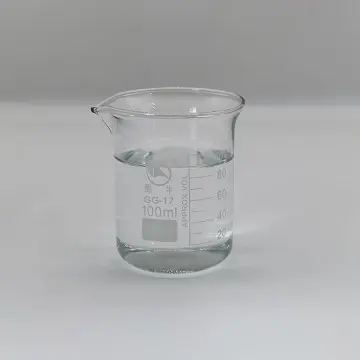
Sulfur-free formulation offering superb ductility, levelness, and corrosion barrier properties.
Learn More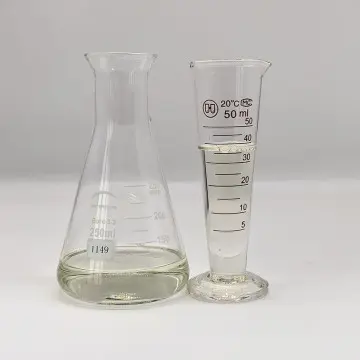
Excellent leveling capabilities and brightness in bulk processing barrel operations.
Learn More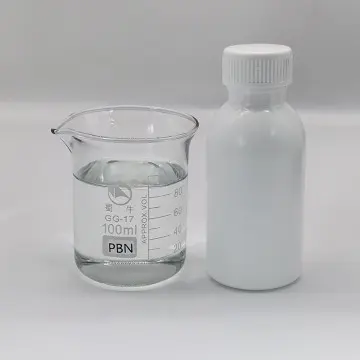
Delivers a sophisticated matte/satin finish with superior fingerprint and wear resistance.
Learn More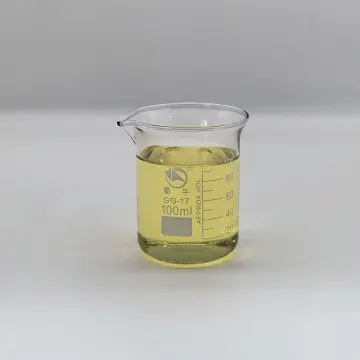
Fast deposition speed with uniform, mirror-like bright finish distribution.
Learn MoreThe San Francisco Bay Area—stretching from the historic maritime yards of the City to the silicon fabrication labs of Silicon Valley—demands the highest grade of surface engineering. As clean-energy infrastructure, micro-optics, and aerospace systems progress, the requirements placed on surface coatings have shifted from basic cosmetic preservation to complex functional tasks. Components must withstand extreme environments, resist wear at microscopic levels, and comply with the strictest environmental guidelines globally.
While traditional mass-manufacturing electroplating operations have historically consolidated, the need for specialized chemical suppliers who can deliver engineered formulas has surged. High-performance electronics, EV components, and medical equipment produced in Northern California require reliable barrier layers that prevent diffusion and enhance solderability. This is where HIYIE Chemical steps in, bridging the gap between innovative research and local engineering demands.
Manufacturers in San Francisco, San Jose, and Oakland face a unique intersection of high operating standards and strict chemical safety requirements. The local electroplating ecosystem supports industries such as:
HIYIE Chemical's R&D efforts ensure that all plating chemistry lines comply fully with current RoHS and REACH regulations, without compromising deposit rate or ductility.
How high-performance nickel chemistry drives reliability in next-generation hardware designs.
Globally, the metal finishing market is experiencing a significant shift away from hexavalent chromium and cyanide-based electroplating processes. As a result, Electroless Nickel Plating (ENP) and Zinc-Nickel alloys have emerged as leading modern options. Unlike conventional electroplating, which depends on electrical current distribution and often causes uneven thickness on complex geometries (the "Faraday Cage" effect), electroless nickel relies on a controlled auto-catalytic chemical reduction. This ensures a highly uniform deposit thickness, even on internal bores, threads, and complex internal channels.
Furthermore, the concentration of phosphorus in electroless nickel chemistry plays a critical role in determining its mechanical properties:
Fluctuating raw material prices (like Nickel on the London Metal Exchange) require surface finishing manufacturers to optimize bath lifespans and chemical stability. Highly stable stabilizers and complexing agents prevent premature bath decomposition, reducing chemical waste and operational costs. Modern chemical lines, such as our Cyanide-Free Zinc-Nickel and Alkaline Cyanide-Free Copper Plating systems, represent a major step forward, helping manufacturers meet strict municipal wastewater limits without sacrificing quality.
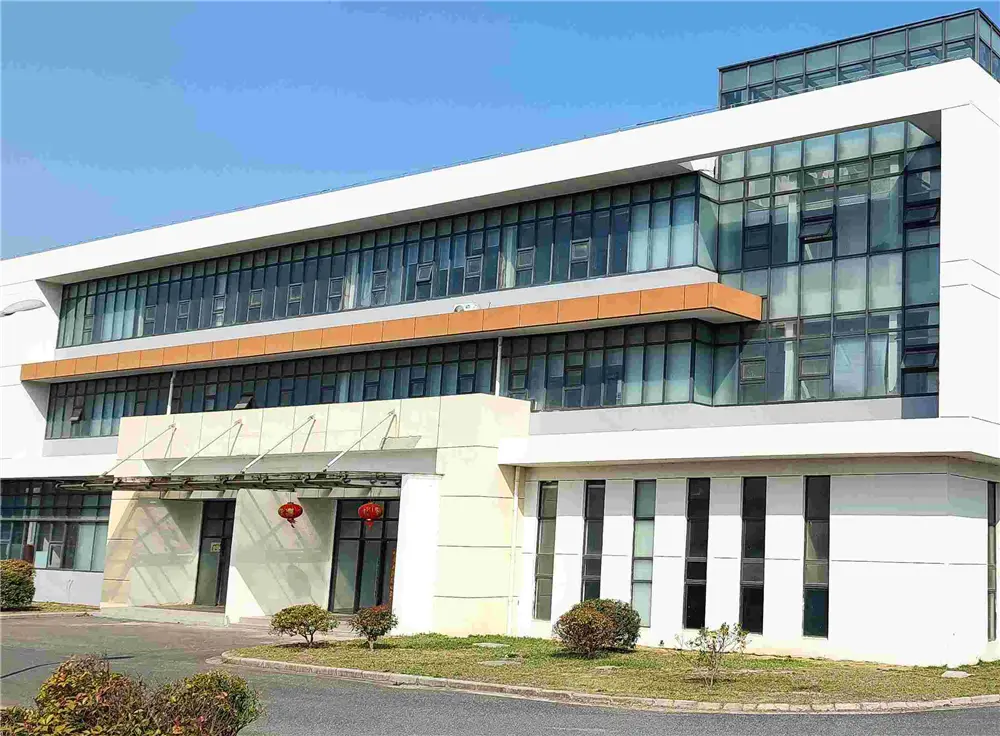
SUZHOU HIYIE CHEMICAL CO., LTD. supplies specialty chemistry for consumer electronics, communication equipment, semiconductors, automotive hardware, and other high-tech sectors. The company has established partnerships with key universities and chemical research institutes to run specialized R&D hubs that focus on surface finishing challenges.
Since our founding, we have set up R&D hubs in key industrial regions, building a network that supports manufacturers across major manufacturing clusters and global markets. Our products are widely used by industrial manufacturers, including Foxconn Technology Group, Qinghai Salt Lake Group, Chint Group, Hongbao Group, Stanley Group, and Shifeng Group, earning a solid reputation for quality and reliability.
By offering customized formulations, technical support, and bath management systems, we help our clients maintain consistent production quality, long bath life, and reliable compliance.
Providing value to global and local manufacturers through advanced technology and reliable support.
We build experienced sales, engineering, and support teams to provide professional service and guide customers through complex system upgrades.
Our flexible R&D setup allows us to modify formulations and develop tailored solutions to meet specific plating bath requirements.
We develop chemical formulations with a focus on environmental responsibility, working to reduce heavy metals and chelators in wastewater.
We offer pre-sale consultations, bath troubleshooting, and ongoing support to ensure reliable performance on your line.
Our comprehensive portfolio of chemical formulations, stabilizers, and passivations for global industrial applications.
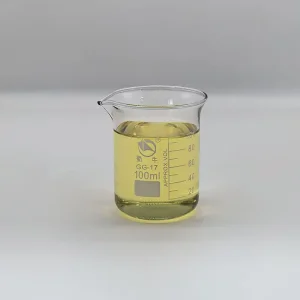
Fast deposition speed with uniform, mirror-like bright finish distribution.
Explore Chemistry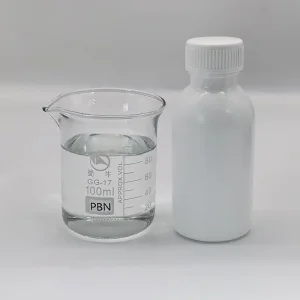
Delivers a sophisticated matte/satin finish with superior fingerprint and wear resistance.
Explore Chemistry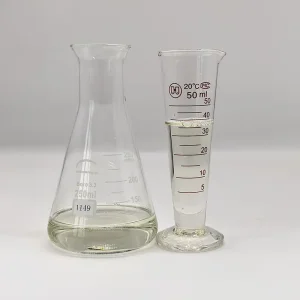
Excellent leveling capabilities and brightness in bulk processing barrel operations.
Explore Chemistry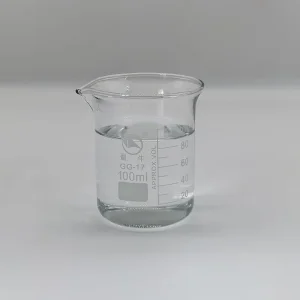
Sulfur-free formulation offering superb ductility, levelness, and corrosion barrier properties.
Explore Chemistry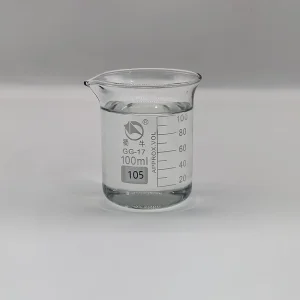
High stability carrier for functional chromium plating, optimizing bath efficiency.
Explore Chemistry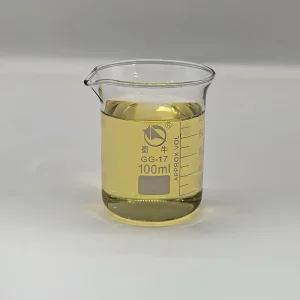
Eco-friendly zinc coating with outstanding throwing power and excellent brightness.
Explore Chemistry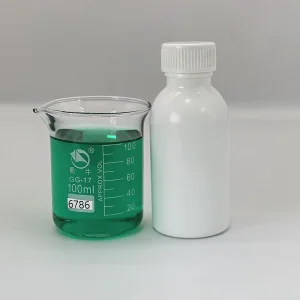
Advanced chemical formulation engineered for corrosion resistance in harsh chemical service.
Explore Chemistry
Provides maximum hardness as-deposited along with excellent electrical conductivity.
Explore Chemistry
Eco-compliant trivalent passivation yielding high salt spray resistance for zinc coatings.
Blue-bright passivation film specifically optimized for zinc-nickel alloy substrates.
Deposits a uniform alloy with 12-15% nickel content, offering corrosion protection.
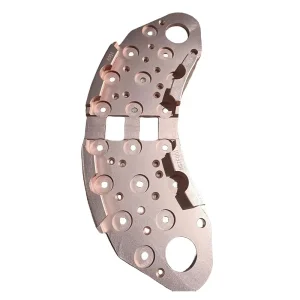
An environmental solution for direct copper strike plating on steel and zinc die-casts.
Latest announcements, engineering articles, and corporate milestones.
How R&D departments are addressing the needs of high-tech industries.
Modern municipal regulations, particularly in regions like San Francisco with strict environmental controls, require facilities to minimize metal discharges in wastewater. The development of advanced chelant systems helps limit total dissolved solids (TDS) and organic loads in effluent. HIYIE's research focuses on biodegradable organic complexing agents that maintain stable metal ions in the plating bath but are easy to precipitate out during wastewater treatment.
Adding sub-micron particles, like silicon carbide (SiC), diamond, or polytetrafluoroethylene (PTFE), directly into electroless nickel formulations yields composite coatings with tailored performance properties. PTFE-co-deposited electroless nickel provides self-lubricating, low-friction surfaces suitable for slide mechanisms and valve components in semiconductor equipment.
Traditional electroless nickel baths operate at temperatures between 85°C and 92°C, which requires significant energy. New formulation chemistry works to lower operating temperatures to 70°C–80°C while maintaining standard deposition rates (15–20 µm/hour). This reduces energy consumption and minimizes thermal stress on temperature-sensitive substrates like plastics or high-precision electronics.
Incorporating cobalt, tungsten, or iron into nickel systems creates ternary and quaternary alloys (e.g., Ni-W-P). These alloys offer improved hardness and thermal stability, maintaining their mechanical properties at temperatures above 400°C, making them suitable for aerospace and glass molding tools.
Technical answers to key inquiries regarding electroplating and electroless nickel processes.
Bright nickel electroplating uses an external electrical current to deposit nickel onto a conductive substrate, which can result in thickness variations on complex geometries due to uneven current distribution. Electroless nickel plating uses a chemical reduction process to deposit the coating. This chemical method ensures uniform thickness across all surfaces, including complex internal cavities, threads, and blind holes.
High-phosphorus electroless nickel (typically containing 10% to 13% phosphorus by weight) has an amorphous (non-crystalline) structure. This lack of grain boundaries prevents corrosive media from penetrating the coating, providing excellent resistance to acids and salt spray (often exceeding 1000 hours in ASTM B117 testing). It is also non-magnetic, making it suitable for sensitive electronic assemblies.
Trivalent chromium passivation (Cr3+) is compliant with RoHS and REACH regulations, unlike hexavalent chromium (Cr6+), which is highly toxic and restricted globally. Modern trivalent passivations, such as our 216 formulation, use advanced chemical systems to match or exceed the corrosion resistance of traditional hexavalent processes without the associated environmental risks.
Cyanide-free systems remove highly toxic sodium cyanide from the plating process, significantly reducing workplace safety risks and simplifying wastewater treatment. Formulations like the 8315 Alkaline Zinc Plating system provide high throwing power and uniform brightness while meeting strict local environmental codes.
Extending bath life depends on maintaining chemical concentration limits, preventing localized overheating, and using highly stable formulations. HIYIE's chemistry lines incorporate stabilizers that prevent solution breakdown, even under fluctuating workloads, which helps maximize the number of metal turn-overs (MTOs).
Yes. However, because aluminum forms a natural oxide layer, it requires proper surface preparation. This includes alkaline cleaning, acid etching, and applying a zincate conversion coating before the electroless nickel step to ensure reliable adhesion.
Whether you need to improve corrosion performance, select a chemistry line for a new project, or optimize your wastewater treatment setup, our technical team is ready to help.
Send Inquiry Now HIYIE
HIYIE