Partnering with New Zealand's engineering, manufacturing, and heavy-corrosion industries to provide advanced plating chemistry formulations and surface finishing technologies.
Send Inquiry NowHighly stable, eco-compliant, and wear-resistant electroplating chemical systems engineered for marine, agricultural, and general manufacturing applications across Auckland, Wellington, and Christchurch.
New Zealand’s industrial landscape relies heavily on advanced surface finish protection due to its unique geographic and economic sectors. The combination of intense marine exposure across its 15,000-kilometer coastline, highly demanding agricultural technology requirements, and localized geothermal infrastructure makes the selection of high-performance chemical treatments critical. In locations like Auckland, Tauranga, Christchurch, and Dunedin, engineering workshops require raw materials and electrochemical plating processes that satisfy rigorous environmental and mechanical standards.
New Zealand's marine sectors demand extreme resistance to chloride corrosion. Multi-layer nickel plating systems with semi-bright base coatings provide a galvanic barrier, preserving yacht fittings, subsea connectors, and coastal industrial installations.
Industrial processing components in dairy plants require chemical-resistant coatings capable of withstanding acidic sanitizing chemicals and abrasive friction. Electroless nickel with controlled phosphorus distribution provides wear-resistant food contact surfaces.
Geothermal zones like Rotorua and Taupo suffer from hydrogen sulfide atmospheres. Zinc-Nickel alloys and high-phosphorus electroless nickel are crucial to safeguard electrical enclosures, structural hardware, and control valves.
As a leading supplier of electroplating chemistry, Suzhou Hiyie Chemical Co., Ltd. offers customized plating solutions engineered to resist these localized challenges. By maintaining strong alignment with international specifications, including ASTM B733 and ISO 4527, our formulas guarantee that Auckland electroplaters and Christchurch precision machinery builders achieve superior durability, optimal deposition thickness, and unmatched bath longevity.
Achieving structural reliability and high performance in plating processes depends heavily on bath chemical stabilization and deposit morphology. Industrial electroplating processes call for highly specialized formulations to balance current efficiency, deposition rate, and deposit stress.
For applications where severe exposure calls for maximum corrosion resistance, a single nickel layer is insufficient. The standard industrial specification mandates a double-layer nickel coating. Our FS100 Semi-Bright Nickel Plating is formulated to deposit a completely sulfur-free layer, which acts as the bottom layer. Over this, a highly brightened, sulfur-bearing nickel deposit is applied via the 31685 Rapid Brightening Nickel Plating system.
This design creates a potential difference between the two nickel layers. The bright nickel layer, containing micro-dispersed sulfur, has a lower electrode potential and becomes anodic relative to the sulfur-free semi-bright layer. If corrosion initiates, the pitting propagates horizontally in the bright nickel layer rather than penetrating vertically to the steel substrate. This extends the service life of critical metal components used in coastal marine machinery and outdoor civil structures across New Zealand.
Electroless nickel deposits provide exceptional thickness uniformity on complex geometries. Depending on the mechanical and environmental stresses of the application, chemical formulations must be customized based on phosphorus content:
| Phosphorus Class | Phosphorus wt% | Primary Mechanical Characteristics | Target Applications (NZ Market) |
|---|---|---|---|
| Ultra-Low Phosphorus (e.g., J0-1) | 1 - 3 wt% | Extreme crystalline hardness (up to 700 HV0.1 as plated), high wear resistance, excellent alkaline resistance. | Mining drill assemblies, heavy industrial feed screws, hydraulic cylinders operating in abrasive soils. |
| Medium Phosphorus (e.g., HITEC EN 6713) | 6 - 9 wt% | Balanced hardness (500-600 HV) and moderate chemical resistance, high brightness, uniform semi-bright finish. | Automotive brackets, general engineering components, dairy processing valves. |
| High Phosphorus (e.g., HITEC EN 6786) | > 10.5 wt% | Amorphous structural phase, non-magnetic properties, exceptional acid corrosion resistance (salt spray > 1000 hours). | Marine propulsion hubs, geothermal well valves, chemical reactor linings, and offshore gas rigs. |
Replacing traditional hazard-prone plating options requires utilizing advanced alloy technology. The 6185 Alkaline Zinc-Nickel Plating bath provides an alloy deposit containing 12% to 15% nickel. When paired with a trivalent passivate such as ZN-318 Blue Trivalent Zinc-Nickel Passivation, the resulting barrier film provides excellent corrosion protection, extending salt spray resistance to red rust for over 1000 hours without the use of hexavalent chromium, ensuring compliance with global environmental standards.
SUZHOU HIYIE CHEMICAL CO., LTD. offers a comprehensive product portfolio serving consumer electronics, communication equipment, semiconductor packaging, automotive hardware, and industrial engineering. By collaborating with leading chemical research institutions and universities, we have established dedicated R&D centers in Wuhan and Shanghai to address complex technical challenges in surface chemistry.
Our distribution and support networks cover major industrial hubs globally. Our advanced surface treatment solutions are trusted by leading multinational enterprises, including Foxconn Technology Group, Qinghai Salt Lake Group, Chint Group, Hongbao Group, Stanley Group, and Shifeng Group. Through our technical support, we help international manufacturers optimize bath stability, minimize waste, and meet strict environmental compliance requirements.
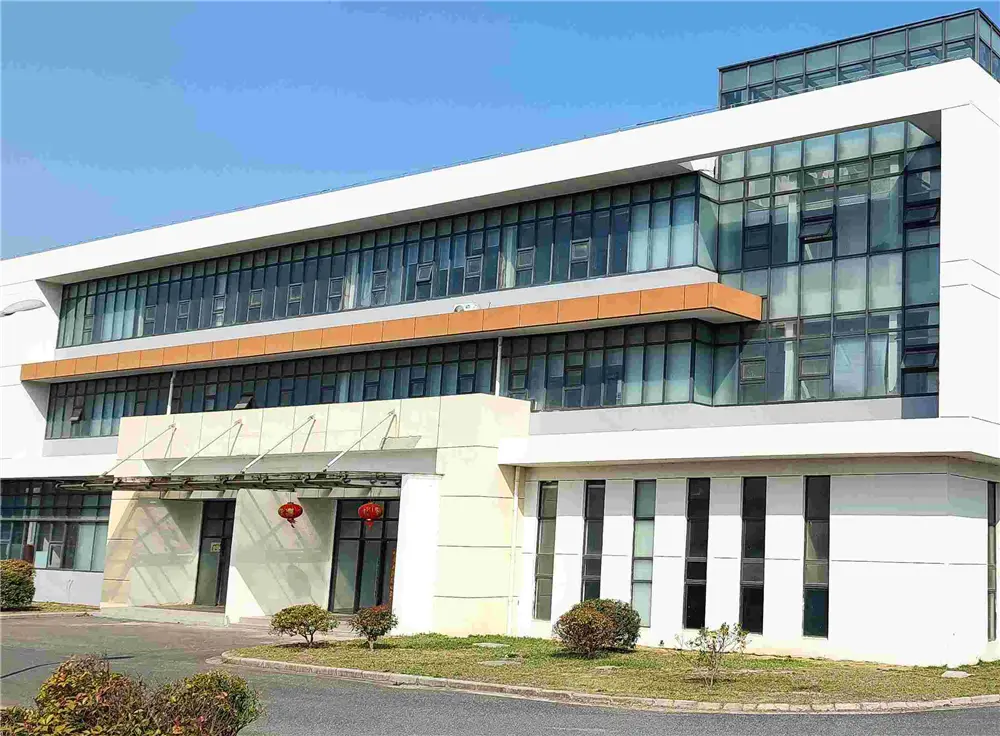
We deliver chemical purity, process reliability, and environmental compliance directly to New Zealand's surface finishing shops.

Our engineers provide direct technical support, aiding in bath chemistry monitoring and troubleshooting to optimize production lines.

We offer custom chemical formulations to meet specific hardness, wear resistance, and gloss requirements for unique industrial parts.

We develop cyanide-free copper and trivalent chromium passivation chemistries to help manufacturers meet strict environmental standards.

From initial test runs to standard production cycles, our team assists with bath analysis, replenishing dosing, and quality control.
Importing industrial plating chemicals into New Zealand requires adherence to strict safety standards, such as the Hazardous Substances and New Organisms (HSNO) Act administered by the Environmental Protection Authority (EPA). Suzhou Hiyie Chemical provides full compliance support, ensuring smooth customs processing and hassle-free transit.
Every shipment of Hiyie chemicals is supplied with comprehensive documentation, including detailed Safety Data Sheets (SDS) that comply with GHS standards. Our product formulations list clear chemical compositions, CAS numbers, and toxicity profiles, enabling NZ importers to obtain EPA approvals and maintain safe working environments.
We provide chemical formulations designed to align with strict wastewater discharge policies enforced by local authorities, such as the Watercare trade waste bylaws in Auckland and similar regulations in Christchurch and Wellington. This helps plating shops simplify chemical remediation and reduce heavy metal emissions.
We pack and ship electroplating additives using durable, UN-certified containers to ensure chemical stability. Working with international shipping partners, we arrange standard sea freight to all major New Zealand ports:
Sustainable development is driving changes in the global surface treatment industry. Regulatory restrictions on hazardous substances, such as hexavalent chromium and cyanide, require a shift toward safer, eco-friendly alternatives. Suzhou Hiyie Chemical is committed to developing cleaner, highly stable plating solutions.
Our 372 Alkaline Cyanide-Free Copper Plating system eliminates toxic cyanide from copper strike operations, reducing safety hazards and simplifying wastewater treatment.
We supply advanced chrome plating carriers and trivalent chromium passivation additives that replace traditional hexavalent chrome formulas while maintaining high corrosion resistance.
Our current research focuses on low-temperature electroless nickel systems that lower heating energy requirements and extend bath lifetimes to minimize chemical waste.
A complete selection of electroplating additives, trivalent passivates, and specialized alloy systems engineered to meet international manufacturing standards.
Stay informed about our latest corporate developments, manufacturing milestones, and seasonal holidays.
As the New Year begins, we look forward to achieving new milestones, enhancing our service support, and supplying high-performance plating additives to our global partners.
Double-layer nickel plating consists of a sulfur-free semi-bright nickel base layer (such as FS100) and a bright nickel top layer (such as 31685). The bright nickel layer contains trace amounts of sulfur, making it electrochemically more active (anodic) than the sulfur-free semi-bright layer. This potential difference directs corrosion laterally along the interface rather than allowing it to penetrate vertically to the steel substrate, providing superior corrosion protection in marine environments.
Alkaline Zinc-Nickel plating (using processes like our 6185 system) deposits an alloy layer containing 12-15% nickel. This alloy provides superior thermal stability and corrosion resistance, outlasting standard bright zinc coatings in salt spray testing and reducing the risk of galvanic corrosion when in contact with aluminum parts.
The phosphorus content in electroless nickel coatings determines their physical and chemical properties. Low phosphorus deposits (1-3% P) offer high mechanical hardness and wear resistance, medium phosphorus deposits (6-9% P) provide balanced wear and corrosion properties, and high phosphorus deposits (>10.5% P, such as HITEC EN 6786) form an amorphous, non-magnetic barrier that offers excellent resistance to acidic environments.
Yes. We offer a comprehensive range of REACH and RoHS-compliant products, including trivalent passivation additives (e.g., ZN-318 Blue) and cyanide-free electroplating systems, helping manufacturers transition to safer chemical alternatives without sacrificing performance.
 HIYIE
HIYIE