Select, high-efficiency chemical solutions engineered to satisfy rigorous international standards and meet local automotive requirements.
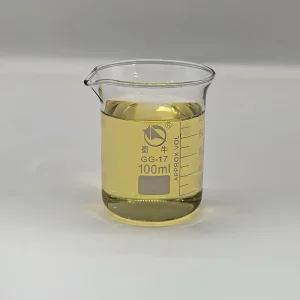
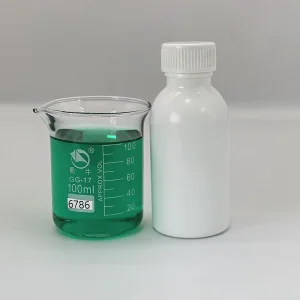
India’s industrial manufacturing sector is experiencing an unprecedented structural upgrade. Driven by federal initiatives such as "Make in India" and a rising influx of global Tier-1 automotive and aerospace component manufacturing, the requirements for high-performance surface finishing technologies have intensified.
Traditionally, standard zinc electroplating served as the primary defense against rust. However, the unique, aggressive climatic conditions in India—characterized by high relative humidity, monsoons, and high ambient temperatures, combined with coastal environments in key manufacturing clusters like Chennai, Pune, and Gujarat—expose metal parts to severe acceleration of corrosive wear.
This climatic challenge has prompted a large-scale transition toward Zinc-Nickel (Zn-Ni) alloy electroplating. Providing over 1,000 hours of Neutral Salt Spray Test (NSST) resistance without the formation of red rust, Zn-Ni coatings (typically consisting of 12-15% nickel content) offer sacrificial protection superior to conventional sacrificial deposits. Furthermore, automotive giants operating in India, including Maruti Suzuki, Tata Motors, Mahindra & Mahindra, Hyundai, and global OEMs, are increasingly specifying Zn-Ni coatings to minimize warranty claims and guarantee structural component integrity over a vehicle's lifespan.
Advanced chemical synthesis and strict manufacturing tolerances in China ensure that electroplating bath concentrates maintain identical properties from batch to batch, avoiding deposit variations.
Alkaline Zinc-Nickel chemical agents are developed with proprietary organic additives that yield optimal thickness distribution on complex, recessed geometrical parts like brake calipers and fasteners.
Global R&D centers in Wuhan and Shanghai work closely with Indian applicators and local distributors to solve complex bath balancing issues, carbon treatment setups, and metal depletion optimization.
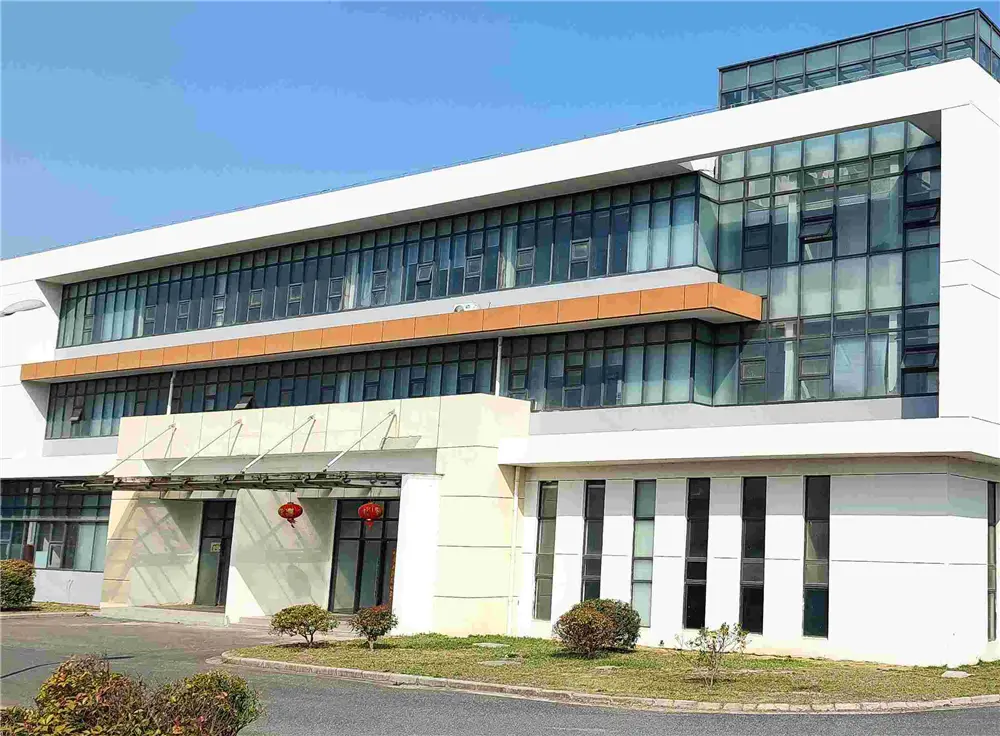
Establishing a reliable supply chain for high-performance chemical additives requires deep logistical competence. As a leading manufacturer of organic chemicals and plating additives based in Suzhou, China, Suzhou Hiyie Chemical Co., Ltd. addresses key friction points in the Indian market, such as lead time variability, regulatory compliance, and shelf-life stability of concentrated additives under hot transit conditions.
We export high-grade alkaline zinc-nickel concentrates, brighteners, and carrier additives directly from our production plants. With strategic warehousing, temperature-controlled logistics, and complete documentation, we assure Indian electroplaters of uninterrupted chemistry supply. This prevents line stoppages in major automotive manufacturing hubs like Chennai, Bengaluru, Pune, and the NCR region.
SUZHOU HIYIE CHEMICAL CO., LTD delivers a robust product portfolio spanning consumer electronics, communication equipment, the semiconductor industry, automotive hardware, craft gifts, and more.
The company has collaborated with multiple domestic and foreign chemical enterprises and academic institutions to establish a mobile R&D center dedicated to resolving complex technical challenges in the surface finishing sector. Since its establishment, Hiyie Chemical has set up specialized R&D institutions in Wuhan and Shanghai to lead innovations in eco-friendly electroplating technologies.
Our marketing network spans key industrial hubs including the Pearl River Delta, Yangtze River Delta, and the Bohai Rim regions, alongside a growing international presence. Our products are widely adopted and trusted by many well-known global corporations—such as Foxconn Technology Group, Qinghai Salt Lake Group, Chint Group, Hongbao Group, Stanley Group, and Shifeng Group—earning Hiyie a reputation for reliability, quality, and technical excellence.
The adoption of Zinc-Nickel alloy electroplating solutions is highly concentrated within several critical manufacturing sectors in India. Below are the primary industrial areas where our chemical systems provide technical value:
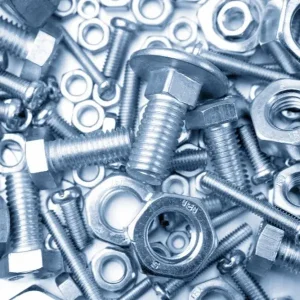
Components such as brake calipers, piston rods, fluid fuel tubes, and under-the-hood fasteners are highly vulnerable to road gravel impact, high engine compartment temperatures, and aggressive road salt/chemical exposure. Incorporating our alkaline zinc-nickel electroplating processes ensures that these components retain their structural strength and appearance, meeting OEM performance specifications like VW TL 244, Ford WSS-M21P17, and local MS-8297 Maruti Suzuki specifications.
India’s rapid expansion in renewable energy—specifically wind turbines located along coastal areas of Gujarat, Maharashtra, and Tamil Nadu—demands heavy-duty corrosion protection. Standard hot-dip galvanizing often suffers from thickness variations and hydrogen embrittlement risks on high-strength structural bolts. Zinc-Nickel electroplating provides a uniform, thin barrier layer that withstands maritime salt-spray exposure for decades.
As India expands its domestic defense production capabilities, the replacement of traditional cadmium plating (which is highly toxic and banned by environmental protocols) has become critical. Zinc-Nickel electroplating behaves similarly to cadmium by offering galvanic protection to steel components in contact with aluminum structures, while avoiding catastrophic galvanic cell corrosion and environmental hazards.
Precision connectors, metallic shielding cans, and communication bracketry require high corrosion resistance combined with moderate contact resistance. By deploying our alkaline zinc-nickel formulations alongside high-performance trivalent passivates, electronics manufacturing services (EMS) providers in India secure superior protection for consumer-facing electronics and network hardware.
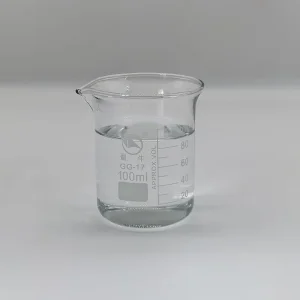
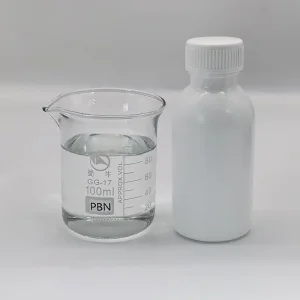
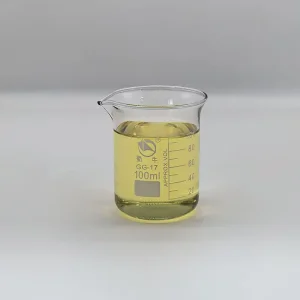
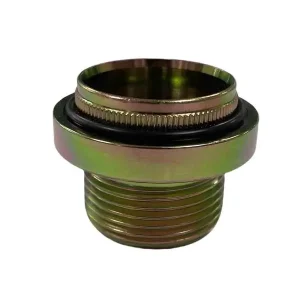
A complete selection of surface finishing chemicals, including passivates, electroless nickel baths, and high-purity additives designed for robust performance.
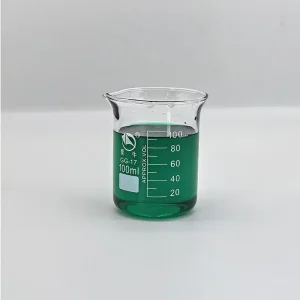
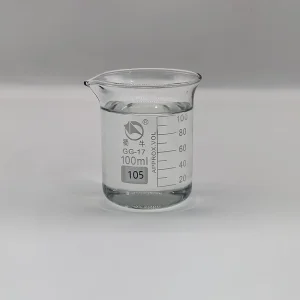
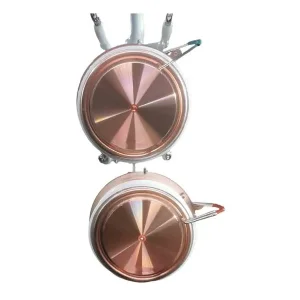
Maintaining an alkaline zinc-nickel electroplating bath requires strict adherence to electrochemical parameters. Unlike acid systems, alkaline zinc-nickel systems offer superior metal distribution and minimal thickness variation across parts with complicated geometries. However, to consistently achieve the targeted 12-15% nickel content in the plated alloy, the ratios of zinc metal, nickel metal, and proprietary complexing agents must be carefully managed.
The deposition of zinc-nickel alloy is categorized as an "anomalous co-deposition" process, where zinc (the less noble metal) deposits preferentially over nickel. The inclusion of complexing agents is essential, as they shift the deposition potential of nickel closer to that of zinc. If the nickel concentration in the plated alloy drops below 12%, the deposit will lack the necessary gamma-phase (γ-phase) crystal structure, causing a rapid decline in corrosion resistance. Conversely, if the nickel content exceeds 15%, the coating can become brittle, increase internal stress, and raise the risk of microcracking during post-plating forming operations.
Answers to technical, logistical, and commercial inquiries regarding Zinc-Nickel alloy electroplating supply and application in India.
Connect with our technical engineers to request chemical samples, receive product catalog, or optimize your existing electroplating bath parameters.
 HIYIE
HIYIE