Procurement teams evaluating a high-quality anodizing process manufacturer are no longer buying a single chemical additive — they are buying predictable corrosion resistance, dielectric integrity, color consistency, and documented process traceability. As global supply chains regionalize, buyers benchmark suppliers on Information Gain: chemistry formulation depth, application engineering, and after-sales responsiveness, rather than unit price alone.
Automotive and electronics OEMs increasingly dual-source surface-finishing chemistry across Asia-Pacific, Europe, and North America. Suppliers must demonstrate a local application lab and consistent batch-to-batch chemistry for contract manufacturers in multiple tariff zones.
Aluminum adoption in EV battery housings, structural brackets, and consumer devices drives demand for anodized surfaces that resist galvanic corrosion while maintaining thin-film dielectric strength and cosmetic control.
ROHS, REACH, and China GB standards increasingly restrict hexavalent chromium and cyanide-bearing baths. Buyers prioritize manufacturers offering cyanide-free alkaline copper, trivalent passivation, and closed-loop rinse chemistry.
Procurement now requires CoA, CoC, salt-spray test reports, and process capability indices. A manufacturer's willingness to publish application data is a strong proxy for long-term reliability.
Anodizing is one node in a broader surface-engineered coating stack. HIYIE's product portfolio spans nickel plating, electroless nickel, and zinc-nickel alloy systems that support anodized aluminum parts within multi-metal assemblies. The table below illustrates how process chemistry maps to end-market requirements.
Electroless nickel and zinc-nickel alloy coatings deliver uniform thickness on complex geometries, offering sacrificial corrosion protection for fasteners, brake components, and EV structural parts. Alkaline zinc-nickel systems provide high salt-spray endurance with trivalent passivation for chrome-free compliance.
Anodized aluminum housings and connectors demand cosmetic-grade finishes. Semi-bright nickel and pearl nickel underlayers improve reflectivity control, while ultra-low phosphorus electroless nickel provides solderability and wear resistance on die-cast enclosures.
RF enclosures benefit from layered finishes: anodized aluminum exterior, bright acid copper in waveguide cavities, and pearl nickel on shielding contacts. Each layer must pass thermal cycling and humidity testing.
Color stability and hand-feel are premium. Fast-brightening nickel and high-phosphorus electroless nickel produce mirror-level surfaces before dye sealing, enabling designers to match brand color standards repeatedly across production lots.
Salt-lake and chemical-processing environments require high-phosphorus electroless nickel for corrosion barrier layers. Mid-phosphorus variants balance ductility with wear resistance for valve and pump internals.
Zinc-nickel plating on busbars and connectors supports high-temperature soldering and galvanic compatibility with aluminum housings, an increasingly common material pairing in battery-pack assemblies.
The competitive edge in anodizing and surface-finishing chemistry is shifting from reactive troubleshooting to proactive process design. The following roadmap reflects the technology trajectory expected from a high-quality anodizing process manufacturer over the next three to five years.
Automated titration and spectroscopy sensors feed bath-concentration data to MES systems, reducing manual sampling and improving within-lot thickness control.
Cyanide-free alkaline copper, trivalent chromium passivation, and low-sludge formulated baths reduce hazardous waste streams and align with EU REACH and China GB norms.
Design-for-finish protocols help OEMs pair anodized aluminum with nickel- and zinc-nickel-coated steel without introducing galvanic failure modes.
Counter-flow rinsing and ion-exchange recovery lower water consumption per barrel and improve compliance performance for landfill and discharge permits.
Accelerated corrosion models mapped to salt-spray and humidity standards shorten qualification timelines and reduce re-qualification risk during supplier changes.
Centralized dashboards track bath analytics, chemical consumption, and coating thickness in real time — enabling remote technical support across distributed operations.
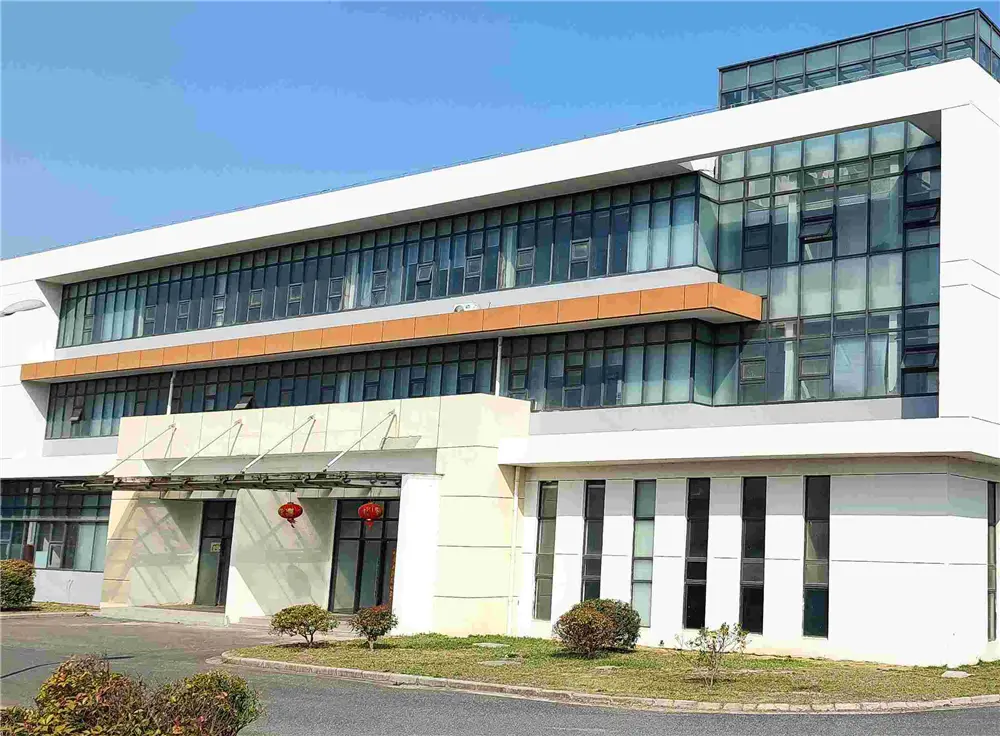
SUZHOU HIYIE CHEMICAL Co., LTD has a product portfolio that covers consumer electronics, communication equipment, the semiconductor industry, automotive hardware, craft gifts, and more. The company has collaborated with multiple domestic and foreign chemical companies and universities to establish a mobile R&D center dedicated to solving technical challenges in the industry.
Since its establishment, the company has set up R&D institutions in Wuhan and Shanghai. Its marketing network covers the Pearl River Delta, Yangtze River Delta, and Bohai Rim regions. Its products have been widely used and recognized by many well-known domestic and foreign companies such as Foxconn Technology Group, Qinghai Salt Lake Group, Chint Group, Hongbao Group, Stanley Group, Shifeng Group, and others — earning the company a strong reputation and a wide market.
Read more →Four pillars of experience, expertise, authority, and trustworthiness define our approach to every anodizing and surface-finishing engagement.

The company introduces a large number of staff and sales talents, each responsible for dedicated customers with technical depth and responsive communication.

The flexible R & D mechanism can satisfy the highest and most specific requirements of customers — from cosmetic-grade finishes to high-corrosion industrial systems.

The most updated technology guided by an environmentally-friendly philosophy, including cyanide-free plating systems and trivalent passivation.

We have professional pre-sale, sale, and after-sale teams to provide you with high-quality service across all stages of process adoption.
Reliable finishing chemistry is not a one-size-fits-all solution. The engineer's responsibility is to match alloy, substrate geometry, and environmental exposure to the correct process family. Below are the key trade-off dimensions that impact specification decisions.
High-phosphorus electroless nickel provides the strongest barrier against chloride environments, while mid-phosphorus variants offer a balanced mix of ductility and hardness for flexing components.
Bright-acid copper and peroxide-catalyzed systems deliver mirror finishes, but require tighter bath control and may slow the cycle. Barrel bright nickel plating improves throughput for small parts.
Saving on raw chemicals often forces higher rework rates. Total cost of ownership — including scrap, rework, and field failures — should anchor the specification.
Hexavalent chromium and cyanide-based chemistry are increasingly restricted. Trivalent passivation and cyanide-free alkaline systems meet current GB and REACH frameworks.
Different aluminum series respond differently to anodizing. Sealing and dye absorption behavior varies, so pre-treatment chemistry should be tuned per alloy family.
Batch certificates, bath analysis records, and test coupons are non-negotiable for high-reliability sectors such as automotive and communication infrastructure.
Global buyers demand regional technical support with globally consistent chemistry. HIYIE's marketing and R&D coverage — spanning the Pearl River Delta, Yangtze River Delta, and Bohai Rim regions — offers a template for how a high-quality anodizing process manufacturer can support multi-sited contract manufacturers.
Safety Data Sheets, RoHS declarations, and REACH conformity reports are prepared for each product and updated as regulation evolves.
Onsite and remote application engineers assist with bath make-up, Hull cell analysis, and scale-up from pilot to full production.
Salt-spray, thickness, adhesion, and appearance verification support supplier quality audits and customer PPAP submissions.
Multi-region storage and coordinated logistics reduce lead-time risk during demand spikes and regional disruptions.
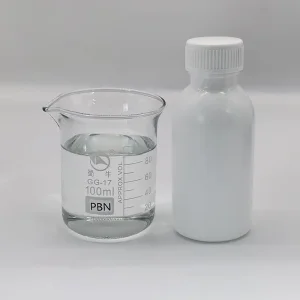
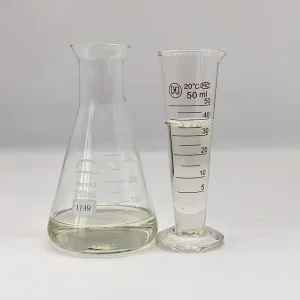
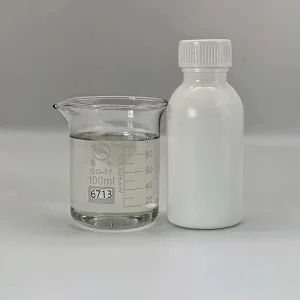
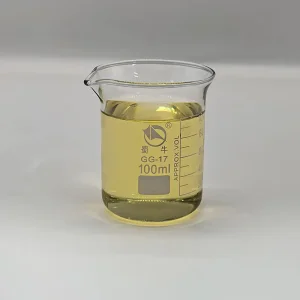
Explore our core surface-finishing chemistries across nickel plating, electroless nickel, and zinc-nickel alloy categories.
The Snake ushers in blessings as we bid the old year farewell; The Horse brings spring as we embark on a new journey.
The Snake ushers in blessings as we bid the old year farewell;
The Horse brings spring as we embark on a new journey.
The New Year bell rings the prelude to progress;
A high-quality anodizing process manufacturer should provide documented bath chemistry, application engineering support, regulatory compliance (RoHS, REACH, GB standards), batch-to-batch consistency, and after-sales technical service. Reliable suppliers typically offer CoA, CoC, and test-coupon data to support customer PPAP and audit processes.
Anodized aluminum surfaces are electrically insulating and must be evaluated carefully when combined with nickel or zinc-nickel plated steel. Galvanic compatibility, sealing quality, and fastener design should be reviewed with the finishing supplier during early design-for-manufacture stages.
High-phosphorus electroless nickel (above ~10–12%) offers the strongest corrosion barrier for chemical and salt-lake environments. Mid-phosphorus variants (roughly 6–9%) balance hardness, ductility, and cost. Ultra-low phosphorus coatings are chosen when solderability or specific magnetic properties matter.
Modern cyanide-free alkaline copper and bright zinc systems match traditional cyanide performance in coverage and adhesion when properly maintained. They reduce hazardous-waste handling and align with increasingly strict environmental regulations across the EU and Asia.
Request safety data sheets, RoHS declarations, REACH conformity, and recent third-party salt-spray or thickness reports. A supplier's willingness to share application lab data, process capability indices (Cpk), and prior project references is a strong reliability indicator.
Yes. HIYIE's R&D and marketing network spans the Pearl River Delta, Yangtze River Delta, and Bohai Rim, with mobile R&D and application engineering support. This structure enables coordinated chemistry across multi-sited manufacturing without losing process consistency.
Share your alloy, geometry, corrosion class, and cosmetic tolerance — our application engineers will recommend a compatible anodizing and plating chemistry stack, backed by lab data and regional supply support.
Request Technical Consultation HIYIE