Engineered coatings designed for extreme reliability in engineering, electronics, and micro-device applications
Boston and the broader New England region represent one of the world's most dynamic hubs for high-technology development, including defense systems, biotechnology, medical devices, and aerospace systems. Route 128 has transitioned from its classic computer-industry roots into a specialized, precision-manufacturing corridor where materials science dictates engineering boundaries.
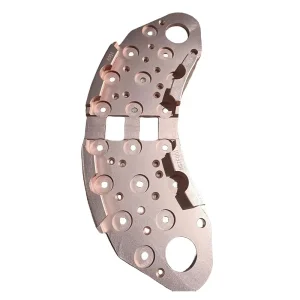
In this ecosystem, component performance is non-negotiable. Electrochemistry plays a critical role in bridging physical designs and operational realities. Highly precise copper plating underpins the thermal management and electronic interconnectivity of key defense systems and clinical devices manufactured locally. From sub-micron thick copper barriers to robust heat sinks, our chemical processes supply New England's leading manufacturing tiers with the quality and reproducibility required by defense primes, cleanroom fabs, and clinical technology innovators.
Copper (Cu) electroplating is a foundational methodology in modern electronic and hardware design, valued for its exceptional thermal conductivity (385 W/m·K) and electrical conductivity (58 MS/m). However, successfully applying copper onto complex sub-micron or structured metal matrices requires an understanding of deposition kinetics, additive systems, and substrate metallurgy.
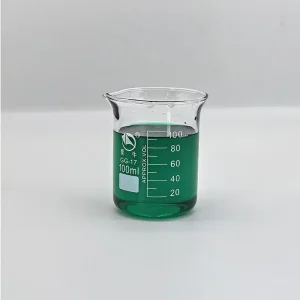
For applications where standard copper plating may introduce structural vulnerability, cyanide-free alkaline plating systems represent a significant engineering milestone. Traditional plating relies on cyanide-based chemistry to ensure uniform adhesion on challenging substrates like zincated aluminum, steel, and zinc die-cast parts. Our modern solutions eliminate this hazard. The 372 Alkaline Cyanide-Free system uses advanced complexing agents that suppress displacement reactions, allowing for a strong, pore-free initial copper strike directly on the raw metal structure. This underlayer prevents subsequent acid-copper chemistry from attacking the base metal, eliminating the risk of adhesion failure or blistering.
| Parameter | Alkaline Cyanide-Free Copper (372) | Acid Copper Plating (672) | Nickel Plating Underlay (FS100) |
|---|---|---|---|
| Primary Application | Direct-on-substrate strike, complex geometries | High-speed build-up, PCB micro-vias | Diffusion barrier, wear protection |
| Throwing Power | Excellent (95-100%) | Moderate to High (dependent on levelers) | Good (70-85%) |
| Coating Purity | >99.9% pure Cu | >99.9% pure Cu | >99.5% pure Ni |
| Corrosion Resistance | High (acts as dense base seal) | Moderate (needs protective top-coat) | Outstanding (when combined with chrome) |
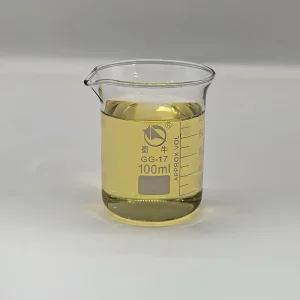
For high-density interconnect (HDI) PCBs and micro-vias, acid copper chemistry remains critical. Organic additives—such as accelerators, suppressors, and levelers—regulate local current density. Accelerators concentrate at the base of micro-vias to drive bottom-up filling, while suppressors inhibit deposition at the outer surface, ensuring void-free filling that meets IPC Class 3 electronics standards.
Full system catalog designed to work together for demanding aerospace, military, and commercial finishes
Global procurement teams face complex challenges, including supply chain disruptions, fluctuating copper prices, and stringent regional environmental regulations. For example, in Massachusetts, companies must comply with EPA regulations and local state requirements (such as the Massachusetts Toxics Use Reduction Act - TURA). Traditional electroplating relies on hazardous compounds, creating operational compliance challenges and increasing water reclamation costs.
Our company addresses these challenges by developing green chemistry alternatives, such as our cyan-free product series. Eliminating cyanide reduces compliance costs and simplifies effluent processing. Additionally, we assist global procurement teams by providing technical documentation, RoHS compliance certificates, and REACH analysis. This allows engineering groups to scale their products internationally without encountering regulatory hurdles.
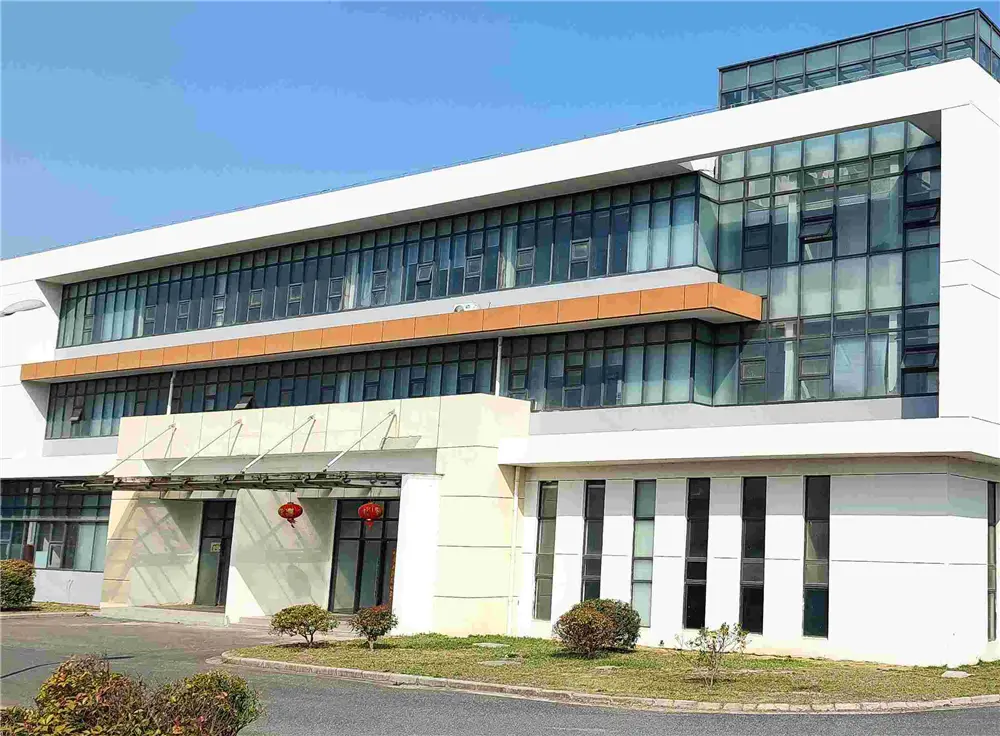
Suzhou Hiyie Chemical maintains a focus on materials research through joint laboratories and dedicated R&D facilities in Shanghai and Wuhan. We partner with academic institutions to refine mass-transport models within chemical baths, improving plating speed and deposition uniformity.
This ongoing research allows us to offer custom formulations tailored to specific engineering needs. Whether adjusting the chemistry to plate rare alloys or modifying bath parameters for automated lines, our engineers collaborate directly with customers to optimize their production processes.
The surface treatment industry is evolving alongside next-generation packaging technologies. As electronic designs scale down, classic plating processes must adapt to meet the demands of advanced architectures.
Providing advanced chemical engineering, quality assurance, and global supply chain support
Each batch of our plating additives and passivations undergoes chemical profiling, chromatography, and Hull cell testing to ensure consistent performance on your production floor.
We provide remote and on-site engineering consultations to analyze bath performance, identify deposition issues, and help optimize your plating parameters.
With strategic warehousing and distribution channels, we supply critical chemicals reliably, minimizing downtime for your plating operations.
Technical clarifications on copper plating chemistry, performance specs, and ordering protocols
Consult with our engineers to improve your coating quality, address compliance requirements, or request custom chemical formulation services.
Send Inquiry Now HIYIE
HIYIE