EU Standards & IATF 16949 Certified

Electroless Nickel Manufacturers for the Germany Market

Providing high-precision autocatalytic nickel-phosphorus plating solutions engineered for German automotive, machinery, and wind power applications. REACH & RoHS compliant chemical solutions.

Send Inquiry Now

Precision Plating Formulations for Germany

Engineered to meet the stringent DIN EN ISO 4527 standards and direct specifications of Germany's leading precision engineering and automotive sectors.
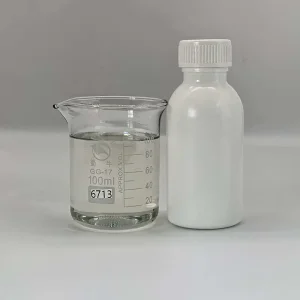
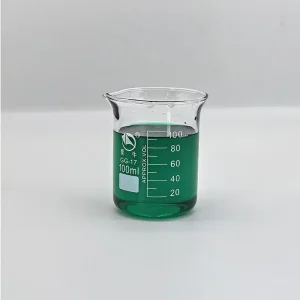
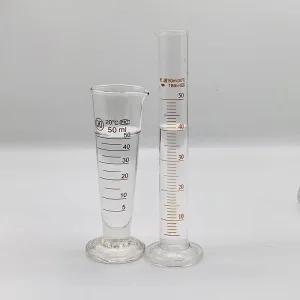
HITEC EN 6713 Mid Phosphorus Electroless Nickel for Germany Automotive Spec
HITEC EN 6713 A/B/C Mid Phosphorus Electroless Nickel
Mid-Phos (6-9% P) DIN EN ISO 4527 High Stability
View Specifications
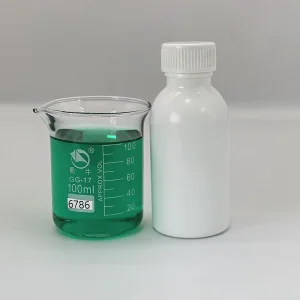
HITEC EN 6786 High Phosphorus Electroless Nickel for German Maritime & Wind Engineering
HITEC EN 6786 A/B/C High Phosphorus Electroless Nickel
High-Phos (>10% P) Extreme Corrosion Protection Amorphous
View Specifications
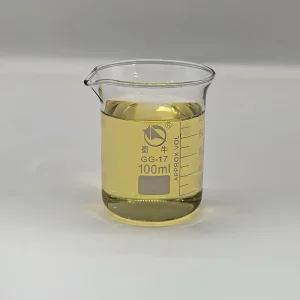
J0-1 Ultra-Low Phosphorus Electroless Nickel for Dresden Semiconductor Cluster
J0-1 Ultra-Low Phosphorus Electroless Nickel
Low-Phos (1-3% P) As-Plated Hardness >700 HV Solderable
View Specifications
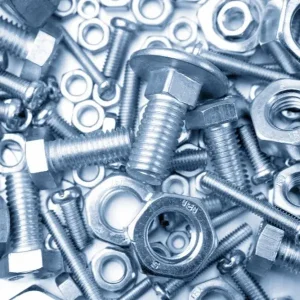
ZN-318 Blue Trivalent Zinc-Nickel Passivation for German Fastener Manufacturers
ZN-318 Blue Trivalent Zinc-Nickel Passivation
Trivalent Cr(III) Cobalt-Free Salt Spray >1000h
View Specifications

The German Electroless Nickel Plating Landscape

In Germany, the demand for surface finishing technologies is driven by high-end manufacturing. Electroless Nickel Plating (ENP) – also known in German industry as *Chemisch Nickel* – plays a pivotal role in maintaining the durability, corrosion resistance, and dimensional accuracy of precision components.

Industrial giants across Baden-Württemberg, Bavaria, and North Rhine-Westphalia demand coatings that comply directly with DIN EN ISO 4527. High-phosphorus processes are primarily utilized in subsea applications, chemical process equipment, and automotive steering components where exposure to acidic or saline conditions is severe. Medium-phosphorus coatings find widespread usage in general mechanical engineering, where an optimal balance between wear resistance and cost-efficiency is essential.

The German market is operating under highly restrictive frameworks like REACH and RoHS. This demands stabilizer components completely free of lead, cadmium, and other heavy metals, pushing chemical developers to deploy next-generation organic stabilizers to maintain bath durability and consistent plating rates.

Automotive & Machinery Cohesion

Plating systems must yield uniform thickness on complex internal geometries, such as hydraulic blocks and valve manifolds used in Mercedes-Benz and BMW powertrains.

High Corrosion Resistance Requirements

Under DIN EN ISO 9227 salt spray tests, high-phos electroless nickel coatings on steel substrates must exceed 1000 hours of exposure without red rust formation.

Friction and Wear Performance

German machine tool builders rely on the low coefficient of friction and high microhardness (up to 1000 HV after heat treatment at 400°C) provided by chemical nickel.
1000h+
Salt Spray Performance
1000 HV
Hardness Post Heat-Treatment
100%
REACH & RoHS Compliant
DIN ISO
4527 Specification Match
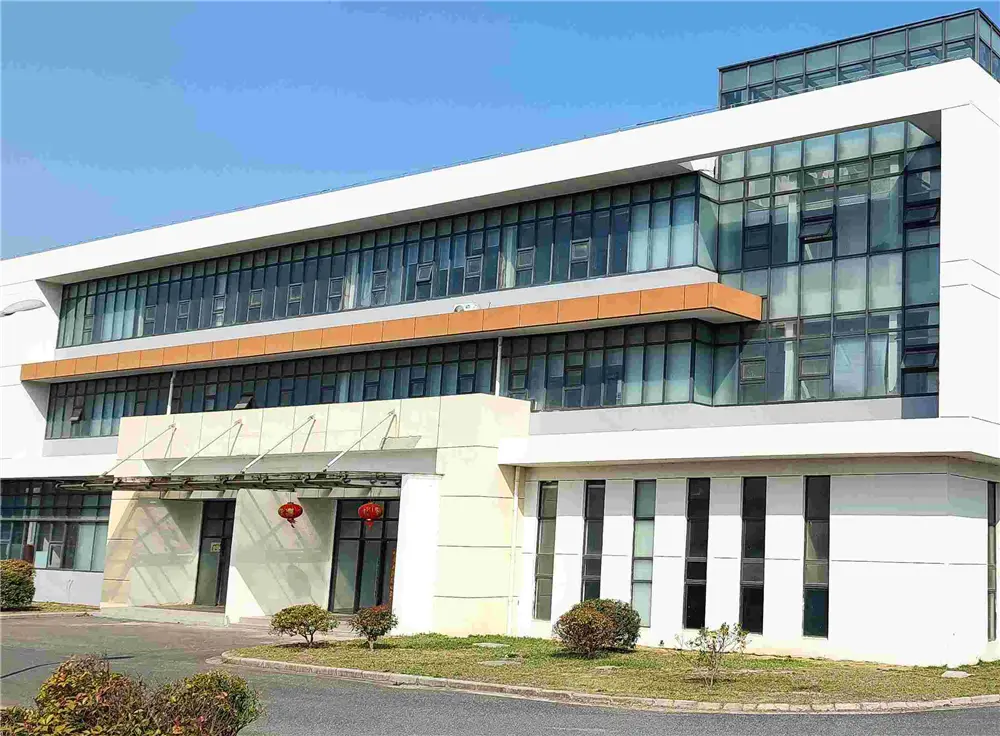
Suzhou Hiyie Chemical R&D Lab & Manufacturing Facility

Supply Chain Synergy: Why German Tier-1s Choose Hiyie Chemical

While European domestic plating chemical suppliers face soaring energy costs and volatile raw material prices, Suzhou Hiyie Chemical Co., Ltd. leverage a vertically integrated, highly efficient supply chain in China. This structure guarantees both supply security and price stability for German industrial buyers.

  • Advanced R&D Infrastructure: With dedicated research centers in Wuhan and Shanghai, we actively cooperate with chemical universities to engineer state-of-the-art lead-free and cadmium-free stabilizer systems.
  • Unmatched Batch Stability: Our automated chemical compounding processes ensure that every batch of Hitec EN or passivation systems delivers exactly the same plating rate and phosphorus content.
  • Cost Optimization without Quality Compromise: By optimizing chemical formulation chemistry and sourcing raw materials directly, we provide significant cost reductions compared to traditional Western European chemical brands.
  • Comprehensive Technical Support: We supply full analytical protocols for bath maintenance, replenish schedules, and atomic absorption spectroscopy (AAS) guidelines to onsite engineers in Germany.

Autocatalytic Nickel-Phosphorus Coatings: Critical Engineering Selection Matrix

Selecting the correct phosphorus content is critical for meeting specific engineering requirements. In mechanical engineering (Maschinenbau) and subsea valve manufacturing, engineers must understand the metallurgical differences between low, medium, and high phosphorus configurations.

Property Class Low Phosphorus (1 - 5% P) Medium Phosphorus (6 - 9% P) High Phosphorus (>10% P)
Metallurgical Structure Microcrystalline Semi-amorphous / Amorphous mix Fully Amorphous (no grain boundaries)
Hardness (as plated) 680 - 750 HV0.1 500 - 580 HV0.1 450 - 500 HV0.1
Hardness (400°C Heat Treated) 950 - 1050 HV0.1 900 - 1000 HV0.1 800 - 850 HV0.1
Corrosion Resistance (Neutral Salt Spray) Moderate (<96h) Good (240 - 500h) Exceptional (>1000h, DIN EN ISO 9227)
Magnetic Properties Ferromagnetic Partially Magnetic Non-Magnetic (highly stable)
Recommended Applications in Germany Drive shafts, hydraulic plungers, wear plates Automotive fuel injectors, brake pistons Chemical pumps, oil/gas valves, marine gear

Regulatory & Ecological Compliance in the European Union

The European Green Deal, alongside updates to REACH (Registration, Evaluation, Authorisation and Restriction of Chemicals), places strict constraints on chemical formulation. Historically, electroless nickel baths relied on lead stabilizers and cadmium brighteners to control the deposition rate and prevent spontaneous bath decomposition. Hiyie Chemical has completely phased out these substances.

Our HITEC EN 6786 and HITEC EN 6713 series are engineered utilizing advanced organic and bismuth stabilizer systems. This satisfies all environmental audits conducted by major German automotive brands while delivering identical kinetic plating speeds (18-22 microns/hour) and extending bath lifetime up to 6 metal turnovers (MTO).

Local Application Scenarios in German Industrial Hubs

Understanding how Hiyie's advanced surface treatment formulations solve critical challenges for regional industrial clusters across Germany.

BAVARIA & BADEN-WÜRTTEMBERG

Automotive Powertrain & Fuel Injection

Using Mid-Phosphorus coatings like the HITEC EN 6713 inside Common Rail injector parts, maintaining precise internal dimensions while resisting wear under extreme fuel pressures.

View HITEC EN 6713 Spec →
NORTH SEA WIND ENERGY CLUSTER

Offshore Wind Turbine Mechanical Substructures

Deploying HITEC EN 6786 High Phosphorus coatings on large-scale fasteners and connectors subjected to corrosive C5-M offshore marine atmospheres.

View HITEC EN 6786 Spec →
SILICON SAXONY (DRESDEN)

Semiconductor Handling & Vacuum Chambers

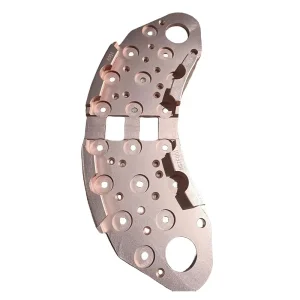
Using J0-1 Ultra-Low Phosphorus Electroless Nickel on precision aluminum vacuum plates to provide wear resistance and electrical conductivity without outgassing.

View J0-1 Spec →
RHINE-RUHR HEAVY INDUSTRY

Hydraulic Cylinders & Heavy Valve Gears

Applying Zn-Nickel and Passivation layers to heavy-duty earth-moving actuators operating under harsh coal-dust and mud conditions.

View ZN-318 Spec →

Optimized Bath Operations: Minimizing Waste and Downtime

For large-scale electroplaters (*Galvanikbetriebe*) in Germany, profitability depends on the lifetime of the chemical bath. Hiyie Chemical provides comprehensive industrial solutions that optimize bath chemistry parameters to prevent premature degradation.

By implementing strict complexing agent ratios, our baths exhibit high tolerance against orthophosphite accumulation (a primary byproduct of the plating reaction). This prevents bath roughing and pitting, which traditionally force platers to discard chemical baths prematurely. Our technology enables operating up to 6-8 metal turnovers (MTO) under recommended temperature and pH profiles, resulting in direct reductions of hazardous chemical waste and compliance overhead.

Consult an Engineering Specialist

Allied Metal Finishing & Electroplating Products

Explore our broader surface modification chemical systems, engineered to work in tandem with our core electroless nickel processes.
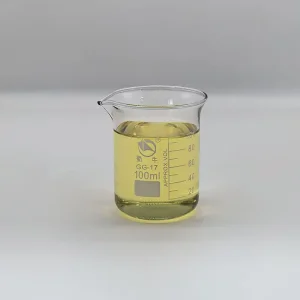
FS100 Semi-Bright Nickel Plating Chemical
FS100 Semi-Bright Nickel Plating
Semi-Bright Sulfur-Free Deposit High Ductility
View Details
31685 Rapid Brightening Nickel Plating formulation
31685 Rapid Brightening Nickel Plating
High Brightness Rapid Deposition Leveling Power
View Details
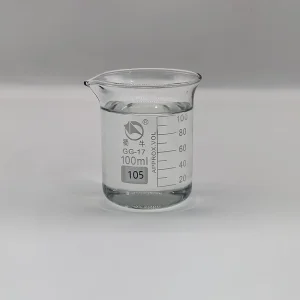
Chrome Plating Carrier 105 chemical additive
Chrome Plating Carrier 105
Hard Chrome Additive Mist Suppression High Current Efficiency
View Details
6185 Alkaline Zinc-Nickel Plating solution
6185 Alkaline Zinc-Nickel Plating
Alkaline System 12-15% Ni Alloy High Uniformity
View Details
8315 Alkaline Cyanide-free Bright Zinc Plating
Cyanide-Free Bright Finish Eco-Friendly Bath
View Details
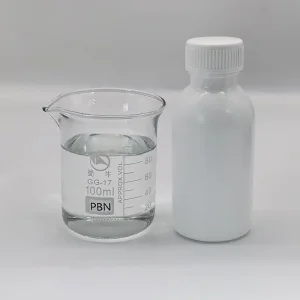
PBN Pearl Nickel electroplating chemical
PBN Pearl Nickel
Satin / Matte Finish Consistent Gloss Automotive Interior
View Details
372 Alkaline Cyanide-Free Copper Plating
Cyanide-Free Strong Adhesion Non-toxic Chemistry
View Details

Global Purchasing Guidelines

Understanding transportation regulations, quality compliance audits, and key milestones when sourcing from Suzhou Hiyie Chemical.

When purchasing industrial electroplating formulations internationally, German OEMs and chemical distributors must evaluate logistics, international hazardous goods regulations (ADR/IMDG), and consistency verification protocols. All chemical concentrates are supplied in high-density polyethylene (HDPE) containers, certified for sea transport under UN regulations. We offer detailed MSDS (Material Safety Data Sheets) matching GHS standards in both English and German to facilitate smooth clearance at German custom entry points (such as Hamburg or Bremerhaven).

Our quality verification certificates (COAs) accompany every shipment, documenting specific gravity, pH, nickel content concentration, and functional plating rates checked against test plates. This ensures your internal QA department has immediate documentation for compliance under ISO 9001:2015 and IATF 16949 audit schedules.

Frequently Asked Questions (FAQ)

Are your Electroless Nickel solutions REACH and RoHS compliant in Germany?
Yes, all our Electroless Nickel formulations (including the HITEC EN 6786 and 6713 series) are 100% lead-free and cadmium-free. They are engineered to comply fully with REACH Annex XVII and the RoHS Directive 2011/65/EU (RoHS 2/3), making them suitable for use by European platers.
What standard testing methods do you recommend for phosphorus verification?
We recommend Energy Dispersive X-ray Spectroscopy (EDS) or Inductively Coupled Plasma Optical Emission Spectroscopy (ICP-OES) according to DIN EN ISO 4527 guidelines to verify the exact weight percentage of phosphorus in the deposited nickel alloy.
How do you guarantee batch consistency for large volume orders?
Suzhou Hiyie Chemical utilizes fully automated PLC-controlled batching systems at our production facilities. Every batch undergoes rigorous quality testing, checking critical parameters such as nickel concentration, stabilizer active components, pH balance, and deposition rates before shipping.
What logistics options are available for delivery to Germany?
We offer FOB, CIF, and DDP terms. Liquid chemical concentrations are packed in standard UN-approved IBC drums (1000L) or 25L/200L HDPE drums. Shipments are typically routed by sea from Shanghai Port directly to Hamburg or Rotterdam, but we can organize air freight for express bath replenishment components.