 HIYIE
HIYIE
Industrial Whitepaper: Elevating Metallurgical Performance in DR Congo
Analyzing the synergy of Electroless Nickel Plating (ENP) systems with heavy mining machinery and critical infrastructure development.
1. The Industrial Landscape and Corrosion Challenges of the Democratic Republic of Congo
The Democratic Republic of Congo (DR Congo) holds a pivotal position globally as the hub of key transition metal reserves. The rich Katanga Copperbelt, extending through Lualaba and Haut-Katanga provinces, produces over 70% of the world's cobalt and a massive share of refined copper. However, extracting and processing these resources places an extreme mechanical and chemical burden on local operations. Processing facilities run around the clock, continuously handling abrasive copper-cobalt ores and highly acidic leach solutions containing sulfuric acid (H₂SO₄).
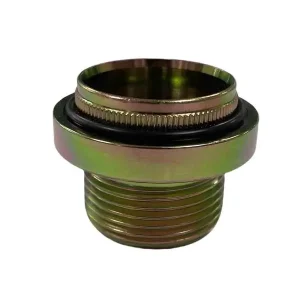
In typical extraction plants near Kolwezi and Lubumbashi, equipment failure from corrosion is the leading cause of unplanned downtime, costing millions in lost output. Slurry pumps, agitator shafts, gate valves, and hydraulic systems face complex erosion-corrosion. Common electroplated metals like chrome are prone to micro-cracks and fail in these acidic settings, allowing acids to attack the steel base. This is where Electroless Nickel Plating (ENP) plays a vital role. By chemically depositing a uniform nickel-phosphorus alloy without an external electrical current, ENP provides an even, pore-free barrier that wraps perfectly around complex internal channels and fine threads.
2. Technical Analysis: Mid vs. High Phosphorus Systems for Acid-Chloride Mining Applications
To select the right chemical formulation for DR Congo's mining applications, it's essential to understand how the alloy's phosphorus content affects its performance:
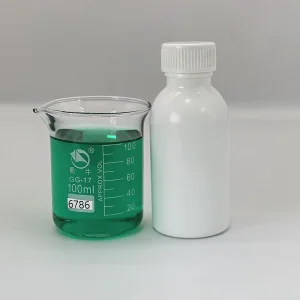
- High Phosphorus (10–13% P, e.g., HITEC EN 6786): High-phosphorus coatings are completely amorphous (non-crystalline) and lack grain boundaries. Because there are no pathways for acid to penetrate, these coatings offer outstanding resistance to sulfuric, nitric, and organic acids found in copper hydrometallurgy. Additionally, they remain highly ductile, preventing cracking under mechanical stress.
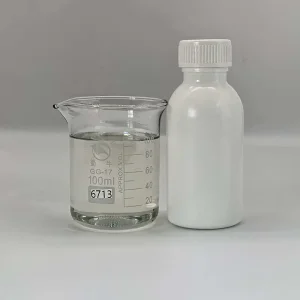
- Mid Phosphorus (6–9% P, e.g., HITEC EN 6713): Mid-phosphorus systems provide a balanced combination of wear resistance and corrosion protection. They plate faster, offer excellent cosmetic brightness, and can reach a hardness of up to 900 HV100 when heat-treated. This makes them ideal for structural fittings and tools used in underground mining.
- Ultra-Low Phosphorus (1–3% P, e.g., J0-1): Low-phosphorus coatings have a crystalline structure and are extremely hard (up to 700 HV as-plated, and over 1000 HV after heat treatment). This matches or exceeds the hardness of hard chrome. These coatings are the top choice for components exposed to heavy abrasion from raw mineral slurries, such as pump impellers and drill rig couplers.
3. China Manufacturing Advantage: Empowering the DRC Industrial Supply Chain
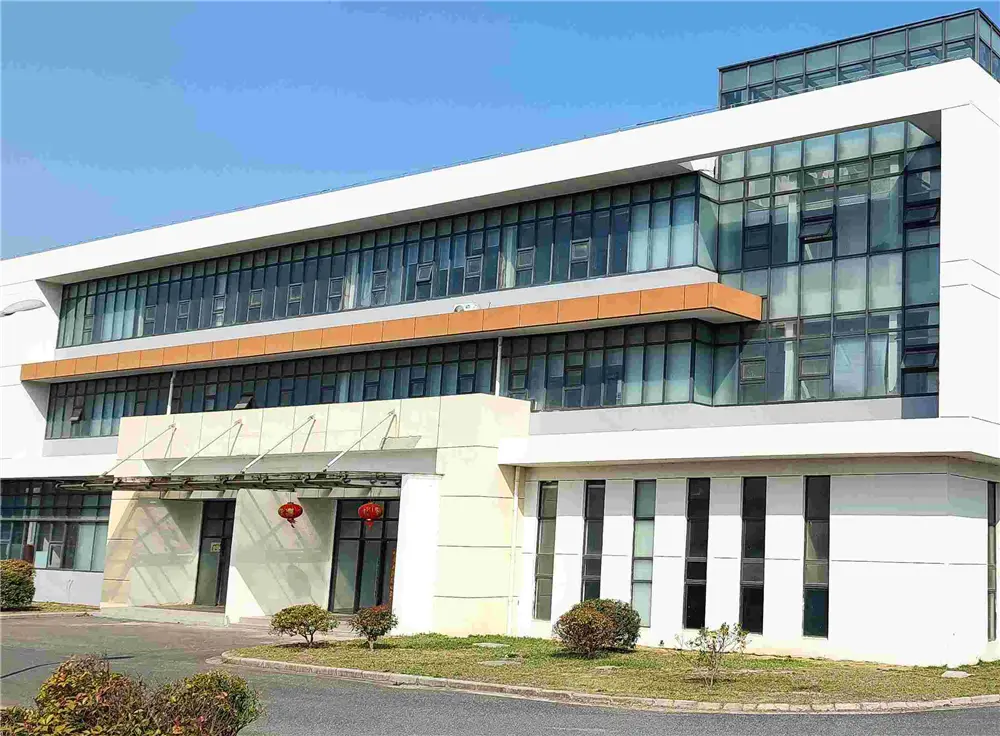
Partnering with a leading Chinese chemical manufacturer like Suzhou Hiyie Chemical Co., Ltd. offers significant advantages for DR Congo mining operations, international procurement agencies, and local workshops:
- Proven R&D and Technical Expertise: Our active research centers in Shanghai and Wuhan continually work on solving industry challenges, developing stable, advanced plating technologies that meet strict international RoHS, REACH, and ISO certifications.
- Lower Total Cost of Ownership: Sourcing high-quality plating chemicals directly from China cuts out middleman markups, helping local workshops lower cost-per-liter expenses while keeping quality high.
- Reliable Global Supply Chains: We are experienced in shipping raw chemicals and plating agents securely through key African shipping corridors, including Dar es Salaam, Durban, and Beira ports, ensuring consistent deliveries to Katanga and Kinshasa.
4. Macro Solutions: Localized Surface Treatment Innovations in DR Congo
Operating in Central Africa requires localized adjustments to standard surface finishing processes. High relative humidity in the Congo Basin and variations in water quality in Lualaba mean that standard chemical baths need careful management.
We provide more than just chemical concentrates. We design complete chemical systems engineered to handle local challenges:
- High Bath Stability: Our stabilizers are designed to prevent bath decomposition in workshops with varying ambient temperatures.
- Water Quality Adaptability: Formulations are optimized to remain stable even when using water with high calcium or mineral content, minimizing the risk of pitting.
- Easy Maintenance: The simplified liquid replenishment systems (A/B/C makeup and feeding components) make it easy for local technicians to maintain chemical baths with minimal laboratory equipment.