Industrial-Grade Nickel Plating Solutions & Chemistry for Rajshahi's Manufacturing Sectors

Empowering local engineering, agricultural machinery, and hardware manufacturers with high-performance electrodeposition technology, chemical formulations, and global compliance standards.

Send Inquiry Now

Key Electroplating Chemistry for Rajshahi Engineering

High-efficiency chemical additives designed for precision finish, enhanced wear resistance, and long-term corrosion protection in severe climatic conditions.
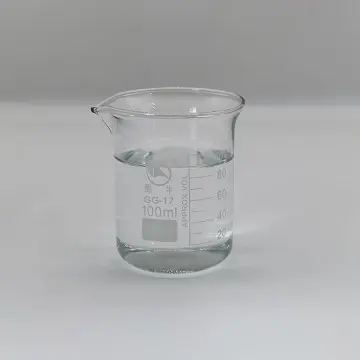
FS100 Semi-Bright Nickel Plating for Rajshahi

FS100 Semi-Bright Nickel Plating (Rajshahi Engineering Grade)

Sulfur-free semi-bright formulation providing excellent ductility, corrosion resistance, and leveling capabilities for multi-layer coatings.

Technical Data
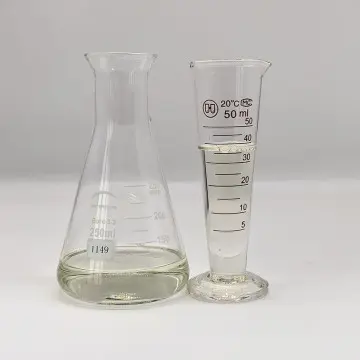
1149 Barrel Bright Nickel Plating for Rajshahi

1149 Barrel Bright Nickel Plating (Rajshahi Bulk Hardware Finish)

Specifically engineered for barrel plating systems, delivering outstanding brightness, uniformity, and plating speed on intricate small parts.

Technical Data
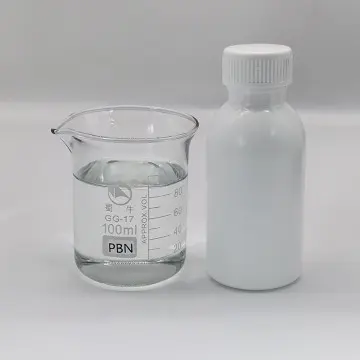
PBN Pearl Nickel for Rajshahi

PBN Pearl Nickel (Rajshahi Precision Satin Finish)

Generates a highly uniform, elegant satin matte structure (pearl-like finish). Ideal for consumer electronics and premium automotive interiors.

Technical Data
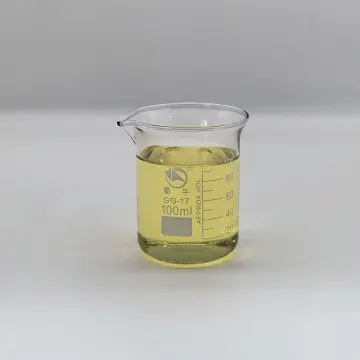
31685 Rapid Brightening Nickel Plating for Rajshahi

31685 Rapid Brightening Nickel Plating (Rajshahi High-Speed Additives)

High-performance formulation for quick brightness deposition. Excellent coverage in low current density areas with minimal consumption.

Technical Data

Surface Finishing Demand in Rajshahi's Light Engineering Sector

Rajshahi, traditionally recognized for its silk industries and agricultural abundance, is rapidly transforming into a significant hub for light engineering, agricultural machinery assembly, and small-scale component fabrication. As industrialization gains traction under national economic development initiatives, local fabricators are facing a critical bottleneck: surface durability, wear resistance, and corrosion protection.

The geographical environment of the Rajshahi division features high humidity, coupled with extensive exposure of metal components to fertilizers, pesticides, and harsh outdoor operational settings. Untreated steel or poorly plated hardware yields rapid oxidation, material failure, and reduced product lifespans. Integrating advanced nickel electroplating and electroless nickel processes is paramount for regional manufacturers seeking to transition from low-margin consumer goods to high-value industrial supplies.

Suzhou Hiyie Chemical provides a complete localized technical solution. By offering stable organic plating additives, levelers, and brighteners directly to local plating workshops, we close the gap between traditional manual batch dipping and modern automated electroplating lines.

Agricultural Machinery Upgrades

Protecting pump impellers, rototiller shafts, and gear assemblies from abrasive soil contact and corrosive fertilizer agents.

Electrical & Infrastructure Components

Applying high-conductivity copper-nickel undercoats on busbars, switchgears, and power distribution terminals.

Automotive & Bicycle Hardware

Delivering decorative mirror-bright nickel finishes with excellent adhesion on high-vibration parts.

Technological Roadmap: Bright Electrolytic vs. Electroless Nickel Plating

Deciding between electrolytic deposition and autocatalytic chemical reduction based on geometric complexity and functional engineering goals.

1. Electrolytic Bright Nickel (Watts Bath)

Utilizes electrical current to reduce nickel ions ($\text{Ni}^{2+}$) from aqueous solutions containing nickel sulfate, nickel chloride, and boric acid.

  • Core Chemistry: Organic brighteners (first-class/carrier like saccharin, second-class/levelers like butynediol derivatives) are adsorbed onto active growth sites to refine the grain structure down to the sub-micron scale.
  • Application: Ideal for high-throughput, decorative, and bulk-finished goods where high specular reflectivity is required.
  • Limitation: Deposition thickness depends on primary current distribution; limited coverage in recessed cavities.

2. Electroless Nickel (Autocatalytic)

A chemical reduction process driven by sodium hypophosphite, requiring no external electricity. It deposits an ultra-uniform Ni-P alloy across all surfaces regardless of geometry.

  • Low-Phosphorus (1–4% P): High wear resistance, alkaline corrosion protection, and exceptional hardness (up to 700 HV0.1 as plated).
  • Mid-Phosphorus (6–9% P): Standard industrial protection, balanced brightness, and steady deposition rates.
  • High-Phosphorus (10–14% P): Completely amorphous glass-like alloy offering maximum chemical inertness against concentrated acids.

3. Multi-layer (Duplex) Nickel Coatings

For premium outdoor parts, a single coat of bright nickel is insufficient. We advocate a duplex layer:

  • Base Coat: FS100 Semi-Bright Nickel containing zero sulfur. Highly ductile and columnarly oriented.
  • Top Coat: Bright Nickel (e.g., 31685) containing ~0.08% sulfur.
  • Mechanism: The sulfur-containing bright layer is electrochemically more active (anodic) than the semi-bright layer. This shifts corrosion laterally, saving the underlying steel base from pit penetration.
About Suzhou Hiyie Chemical Co., Ltd.

A Professional Manufacturer of Electroplating Chemicals & Speciality Additives

SUZHOU HIYIE CHEMICAL Co.,LTD maintains an intensive product portfolio that spans high-performance consumer electronics, telecommunication equipment plating, semiconductor packaging, automotive chassis hardware, and structural metal finishes.

Through structural collaborations with leading scientific institutes and domestic universities, Hiyie Chemical has established state-of-the-art mobile R&D centers in Wuhan and Shanghai. Our manufacturing processes utilize Industry 4.0 automation, guaranteeing consistent formulation concentrations, strict purity indices, and complete trace chemical tracking.

For procurement teams in Rajshahi and the broader South Asian markets, we offer robust supply chain resilience. Operating from our central logistics hub in Jiangsu, China, we coordinate directly with maritime freight forwarding networks and inland customs agencies to deliver chemical liquid concentrates and powder raw materials safely and on-time.
2+
R&D Centers (Wuhan, Shanghai)
100%
RoHS & ISO Compliance
15+
Global Trade Partner Countries
24/7
Remote Technical Support
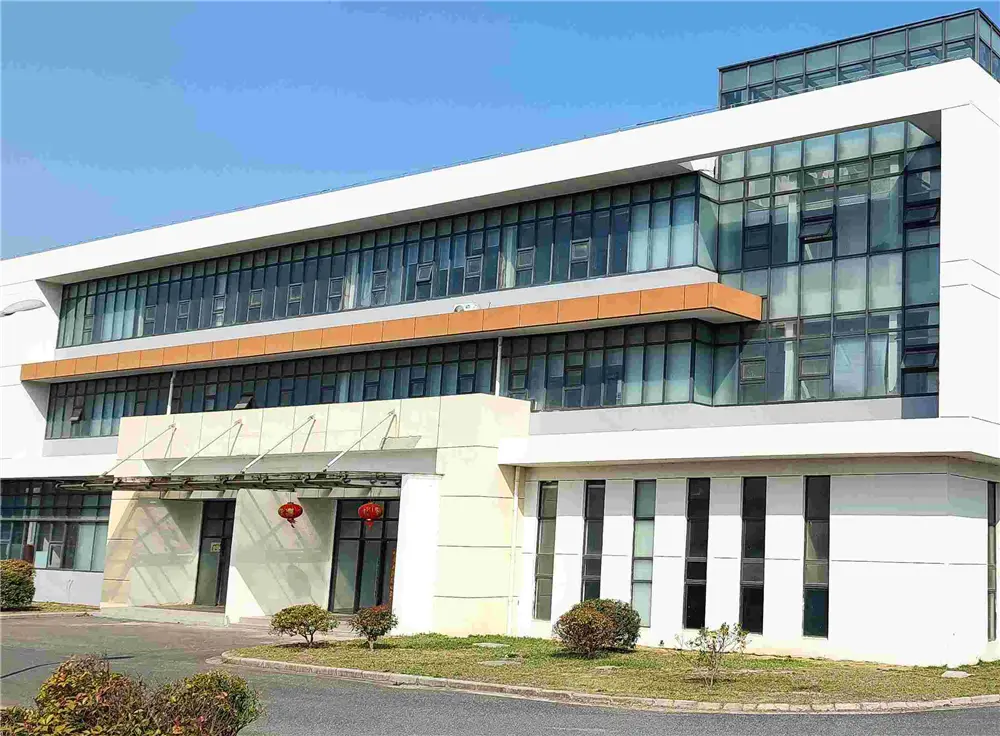
Suzhou Hiyie Chemical R&D Laboratory

Why Choose Hiyie Surface Finishing Materials

Engineered to maximize plating shop profitability, extend chemical bath service life, and minimize environmental impact.

Expert Surface Engineering Team

Expert Engineering

Our specialized electrochemists assist you with bath optimization, hull cell diagnostics, and troubleshooting adhesion failures.

Custom Chemical R&D

Bespoke Additives

We synthesize and customize brighteners, carriers, and levelers tailored to your specific current densities and plating base metals.

Eco-Friendly Green Electroplating

Eco-Conscious Chemistry

Promoting cyanide-free zinc formulas, trivalent chromium passivation, and low-temperature plating solutions.

Global Logistics Support

24/7 Quality SLA

All batches undergo strict chromatography and Hull Cell testing prior to shipment to ensure zero-defect distribution.

Meeting Global REACH, RoHS & ISO Standards for Exports

As manufacturers in Rajshahi look to export their finished goods to Europe, North America, and high-demand markets, compliance with hazardous substances directives is critical. Industrial chemicals supplied by Suzhou Hiyie Chemical strictly conform to global chemical restrictions.

Zero Hexavalent Chromium (Cr6+)

Replacing highly toxic chromates with trivalent chrome alternatives (e.g., ZN-318) for post-nickel corrosion protection.

Cyanide-Free Zinc Plating

Utilizing high-performance alkaline systems that eliminate cyanide compounds from wastewater treatment streams.

Supply Chain Resilience (China to Bangladesh)

Developing steady trade routes is key to preventing manufacturing delays. Hiyie Chemical maintains a reliable shipping protocol from Chinese ports directly to Chittagong Port and subsequent inland transit to Rajshahi division.

  • Hazardous Cargo Handling: Fully compliant dangerous goods documentation for safe chemical transport.
  • Optimized Pack Sizes: Supplied in standard 25kg drums, 200L barrels, and high-volume IBC totes.
  • Custom Formulation Matching: Analysis of your current bath sample to adjust our formulations for seamless drop-in upgrades.

Comprehensive Chemical Additives Directory

Explore our full line of functional plating additives, alloy brighteners, and conversion coatings designed for heavy machinery, automotive components, and electronics.
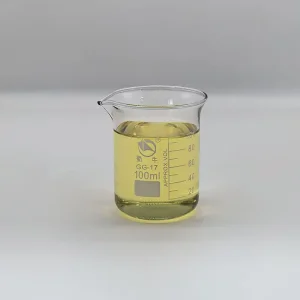
31685 Rapid Brightening Nickel Plating

31685 Rapid Brightening Nickel Plating

High-speed organic leveling agent designed for brilliant, ductile electroplated layers.

Learn More
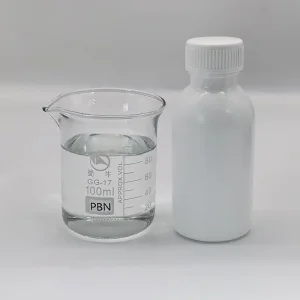
PBN Pearl Nickel

PBN Pearl Nickel

Generates beautiful satin, non-glare, and fingerprint-resistant finishes on metal parts.

Learn More
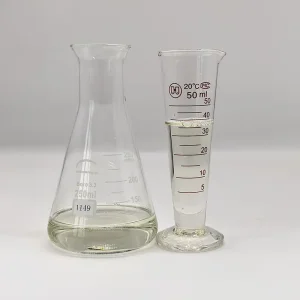
1149 Barrel Bright Nickel Plating

1149 Barrel Bright Nickel Plating

Exceptional brightness throw and mechanical flexibility for high-volume tumble barrels.

Learn More
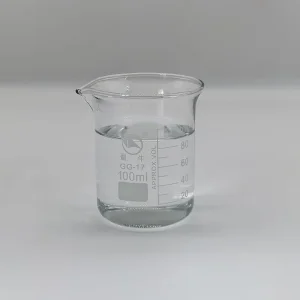
FS100 Semi-Bright Nickel Plating

FS100 Semi-Bright Nickel Plating

Sulfur-free semi-bright formulation for multi-layer corrosion protection systems.

Learn More
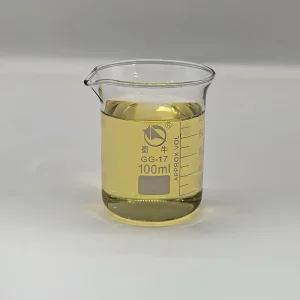
8315 Alkaline Cyanide-free Bright Zinc Plating

8315 Alkaline Cyanide-free Bright Zinc Plating

Eco-friendly electro-galvanizing process featuring excellent metal thickness distribution.

Learn More
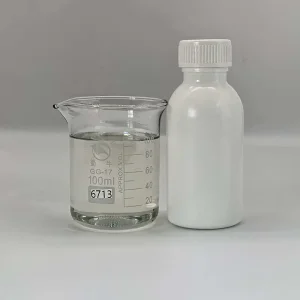
HITEC EN 6713 Mid Phosphorus Electroless Nickel

HITEC EN 6713 Mid Phosphorus Electroless Nickel

Uniform, autocatalytic coating with balanced wear properties and bath longevity.

Learn More
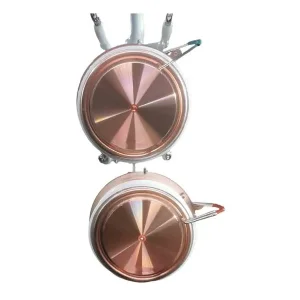
672 High-Speed Bright Acid Copper Plating

672 High-Speed Bright Acid Copper Plating

Provides a fast, mirror-bright copper undercoat layer with highly effective micro-leveling.

Learn More
ZN-318 Blue Trivalent Zinc-Nickel Passivation

ZN-318 Blue Trivalent Zinc-Nickel Passivation

Advanced trivalent passivation coating yielding brilliant blue aesthetics and corrosion defense.

Learn More

Solving Complex Surface Finishing Challenges: FAQs

Technical explanations to help plating shop managers, design engineers, and quality assurance specialists succeed.

What causes peeling or poor adhesion of nickel plating on steel castings common in Rajshahi workshops?
Poor adhesion or peeling is typically caused by inadequate pre-treatment and activation of the metal substrate. Steel castings often contain surface oxides, sand inclusions, and carbon residues from the casting process. To resolve this, ensure an alkaline hot soak degreasing phase, followed by thorough acid pickling (using hydrochloric acid with appropriate inhibitors) to activate the iron crystal lattice prior to entering the nickel bath.
How does temperature variations affect the performance of Bright Nickel electroplating baths?
Electrolytic nickel plating baths (specifically Watts-type formulations) generally run optimally between 50°C and 60°C. If temperatures drop below 45°C, organic brighteners will lose their effectiveness, leading to burning in high-current-density zones and cloudy finishes. Conversely, temperatures above 65°C speed up the breakdown of organic additives, raising brightener consumption and reducing overall tensile properties of the plated layer.
What is the difference between Watts Nickel Plating and Sulfamate Nickel Plating?
Watts Nickel (utilizing sulfate and chloride) is favored for decorative and general-purpose plating, offering high luster and hardness. Sulfamate Nickel (based on nickel sulfamate) deposits coatings with exceptionally low internal stress and high ductility. This makes sulfamate systems the industry standard for functional electroforming, thick build-ups on engine shafts, and applications prone to mechanical fatigue.
How can a manufacturing shop transition from hexavalent to trivalent passivation?
Transitioning to trivalent systems (like our ZN-318) involves adjusting bath operating parameters and cleaning routines. Trivalent conversion coatings operate at lower concentrations but require tighter pH control (typically 1.8 to 2.2) and constant temperature filtration. Integrating a post-passivation sealer is highly recommended to match or exceed the salt-spray resistance values of older hexavalent chromium coatings.
What are the warning signs that a chemical bath needs carbon treatment purification?
The accumulation of organic breakdown products will trigger plating defects, including dark patches in low-current density areas, pinhole pitting, reduced leveling capability, and brittle deposits. Performing periodic Hull Cell testing helps detect these issues early. When testing shows high brittleness or persistent haze, a batch carbon treatment (heating the bath, adding active powder carbon, stirring, and filtering) is necessary to restore plating quality.

Have a specific plating chemical challenge?

Speak directly with our technical support department. We provide bath analysis, product catalog recommendations, and tailored pricing options for bulk buyers.

Consult Our Engineers