High-performance nickel plating formulations engineered for wear resistance, brightness, and deep throw coverage for Jakarta's advanced manufacturing sectors.
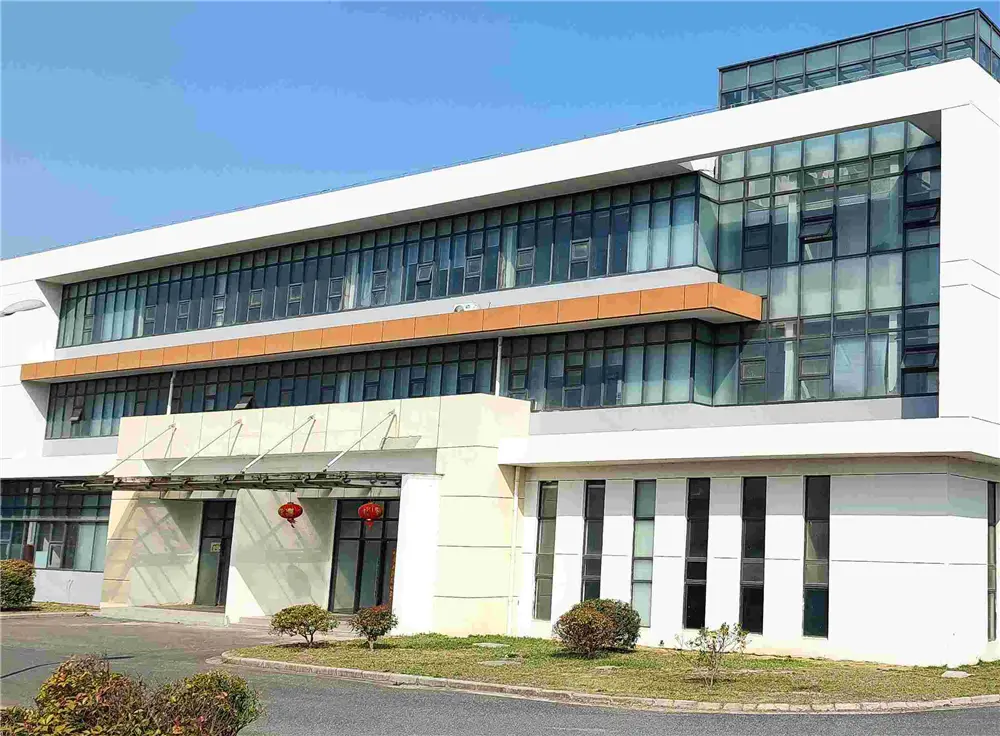
SUZHOU HIYIE CHEMICAL CO., LTD. is a leading chemical synthesis and surface-treatment innovator. Our robust product portfolio spans consumer electronics, high-speed telecommunications infrastructure, modern semiconductors, automotive component hardware, and decorative electroplating. To resolve complex electroplating challenges worldwide, we established joint mobile R&D centers in Shanghai and Wuhan, partnering with top academic institutions and chemical research hubs.
Our sales and service network covers critical global manufacturing regions, supplying highly reliable formulations to Tier-1 industrial enterprises such as Foxconn Technology Group, Qinghai Salt Lake Group, Chint Group, Hongbao Group, Stanley Group, and Shifeng Group. By designing eco-friendly, REACH/RoHS-compliant chemistry, we help surface-finishing operations in emerging markets, including Jakarta, transition to greener, higher-efficiency output.
Learn More & Contact UsAn authoritative analysis of metallurgical coatings, tropical anti-corrosion requirements, and economic supply chain dynamics in West Java.
The Jabodetabek region (Jakarta, Bogor, Depok, Tangerang, Bekasi) serves as the primary industrial engine of Indonesia. Industrial zones such as the Jababeka Industrial Estate (Cikarang), MM2100, Karawang International Industrial City (KIIC), and Suryacipta City of Industry host massive manufacturing operations. These centers produce millions of automotive assemblies, domestic appliances, electrical distribution cabinets, and oil & gas pipeline fittings annually.
However, Greater Jakarta's equatorial coastal climate presents severe challenges for metal components. High average temperatures (28°C to 34°C), relative humidity often exceeding 80%, and airborne salinity from the Java Sea accelerate electrochemical corrosion. Automotive parts, steel enclosures, and electrical connectors quickly fail if not protected by premium protective coatings. High-performance nickel plating acts as a vital barrier layer, providing crucial wear resistance, exceptional corrosion protection, and a receptive base for subsequent chrome, zinc, or alloy coatings.
Choosing the correct plating chemical formulation is essential for achieving the required durability and performance. Plating shops in Jakarta rely on three primary nickel-plating methodologies to meet rigorous OEM quality standards:
Semi-bright nickel processes deposit a sulfur-free coating that delivers outstanding ductility and leveling capability. The absence of sulfur in the deposited layer makes it highly noble. In duplex nickel plating systems (semi-bright nickel followed by bright nickel), the potential difference between the two layers establishes a sacrificial protection mechanism. This system forces corrosion to spread laterally across the outer bright nickel layer rather than penetrating straight down through the semi-bright layer to the substrate. As a result, components achieve exceptional salt spray performance (ASTM B117 standards).
Formulated for decorative brilliance, bright nickel processes use organic brighteners and carriers to produce mirror-like deposits. These additives control the nucleation rate during electrodeposition, producing a highly reflective and leveled surface. Bright nickel is critical for motorcycle accessories, consumer electronics housings, and sanitary hardware produced in Tangerang and Bekasi.
Unlike electroplating, electroless nickel plating (ENP) uses an autocatalytic chemical reduction process to deposit nickel-phosphorus alloys without an electric current. This enables perfectly uniform coating thickness even on complex internal geometries, blind holes, and threaded components. High-phosphorus formulations (typically 10-12% P) deliver superior chemical resistance in acidic, sour gas environments, making them indispensable for valves and pumps used in the offshore oil and gas sectors off the coast of Java.
| Nickel Plating Method | Phosphorus/Sulfur Content | Typical Thickness Range | Key Applications in Jakarta Industries | Primary Benefit |
|---|---|---|---|---|
| Semi-Bright (FS100) | Sulfur-Free (< 0.005%) | 10 – 30 µm | Automotive shock absorbers, structural fasteners | Excellent ductility & duplex corrosion barrier |
| Bright Electroplate (31685 / 1149) | Sulfur-Containing (0.04 – 0.08%) | 5 – 25 µm | Consumer appliances, brass fittings, auto trim | Mirror finish, high leveling, rapid brightening |
| High-P Electroless (HITEC EN 6786) | 10.5% – 12% Phosphorus | 15 – 75 µm | Marine valves, oil & gas drilling, chemical pumps | Perfect thickness uniformity, wear & acid resistance |
| Low-P Electroless (JO-1) | 1% – 3% Phosphorus | 5.0 – 15 µm | Electronics connectors, solderable components | Exceptional hardness (as-plated) & solderability |
As manufacturing specifications in Jakarta align with global standards, local plating shops must transition from low-grade, inconsistent raw chemicals to highly stable, concentrated formulations. Partnering with a specialized Chinese chemical synthesis manufacturer like Suzhou Hiyie Chemical delivers several strategic advantages:
We supply skilled engineers and laboratory testing support to audit local lines and optimize bath parameters.
We tailor brightness levels, deposition speeds, and ductility limits to match specific customer line speeds.
We lead in formulating cyanide-free copper, trivalent passivation, and hazard-free organic plating additives.
Our global engineering network provides timely analysis of bath compositions, hull cell tests, and additive replenishments.
Explore our high-performance electroplating and surface treatment products, fully compatible with automated lines in Jakarta's industrial zones.

The Snake ushers in blessings as we bid the old year farewell; The Horse brings spring as we embark on a new journey. The New Year bell rings the prelude to progress, driving us to provide even better products and services for our international partners throughout 2026.
Practical metallurgical engineering insights for managing bath variables, contamination, and environmental compliance in Jakarta.
High ambient temperatures accelerate water evaporation, which can rapidly increase the concentration of metal salts and organic impurities in the bath. This imbalance often leads to deposit burning at high current densities or hazing in low current density areas. To prevent this, plating operators must implement precise chiller control to maintain the bath within the optimal range (typically 52°C to 58°C) and regularly perform Hull Cell tests to adjust brightener and carrier concentrations.
The duplex system consists of a sulfur-free semi-bright nickel layer underneath a bright nickel layer. Because the semi-bright layer is sulfur-free, it is electrochemically more noble than the bright nickel layer. When exposure to Jakarta’s humid, salt-rich air initiates corrosion, the potential difference between the layers causes corrosion to spread laterally across the bright nickel layer instead of penetrating down to the base steel. This double-layer setup significantly delays rusting and component failure.
Indonesian environmental regulators (KLHK) enforce strict limits on heavy metals and free cyanide discharges in industrial wastewater. Traditional plating processes rely on sodium or potassium cyanide for bath stability. Transitioning to cyanide-free alkaline zinc-plating (like 8315) or alkaline cyanide-free copper (like 372) eliminates highly toxic cyanide compounds from the production line, greatly simplifying wastewater treatment and ensuring consistent compliance with environmental laws.
For marine hardware and offshore oil and gas equipment in the Java Sea, high-phosphorus electroless nickel coatings (10% to 12% P, such as our HITEC EN 6786) are recommended. These high-phosphorus alloys form an amorphous, non-crystalline structure that lacks grain boundaries, offering outstanding resistance to corrosion, acids, and chlorides (such as seawater) compared to low- or mid-phosphorus alternatives.
Pitting is usually caused by hydrogen gas bubbles clinging to the part surface during electrodeposition, or by organic contaminants suspended in the bath. Key solutions include adding high-quality wetting agents (surfactants) to lower surface tension, maintaining continuous mechanical or air agitation, and using active carbon filtration to remove organic impurities.
 HIYIE
HIYIE