Providing specialized electroplating additives and chemical formulations engineered for superior leveling, high ductibility, and controlled brightness.
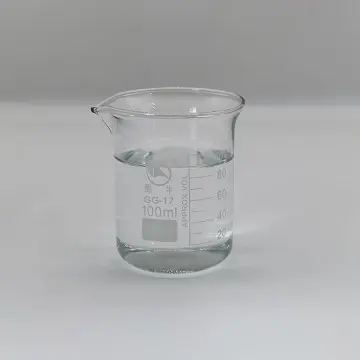
A sulfur-free semi-bright nickel process providing exceptional ductility, leveling, and high potential difference control. Formulated specifically for multi-layer corrosion protection in automotive and electronics components.
Explore Chemistry Details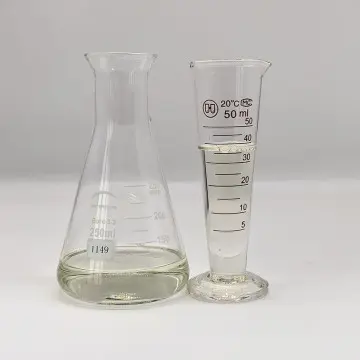
Optimized barrel electroplating formulation offering brilliant shine, high coverage, and remarkable chrome receptivity. Perfect for high-volume batches of precision fasteners and micro-electronic pins.
Explore Chemistry Details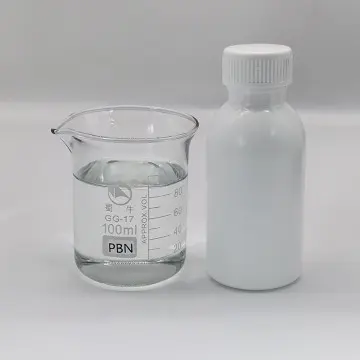
Delivers a sophisticated matte satin, pearl-like metallic finish with outstanding scratch resistance. Highly demanded in consumer electronics housings, decorative trim, and luxury packaging items.
Explore Chemistry Details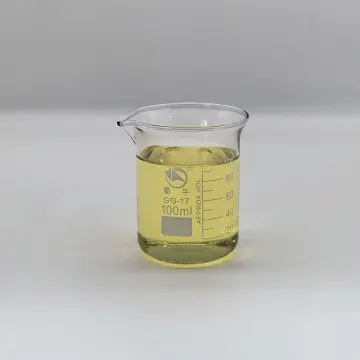
Engineered for high-speed continuous plating lines requiring rapid brightener action, exceptional current distribution, and low internal stress in the deposition layer.
Explore Chemistry DetailsThe Republic of the Philippines has rapidly transitioned into a vital hub for global manufacturing, particularly in the sectors of semiconductor packaging, electronic assemblies (EMS), automotive components, and aerospace sub-assemblies. Geographically centered in economic growth zones such as CALABARZON (Cavite, Laguna, Batangas, Rizal, Quezon), Clark Freeport Zone, and Cebu's industrial parks, the demand for high-reliability nickel electroplating and electroless nickel plating is scaling exponentially.
Operating under the humid, high-salinity environment of an archipelago, Philippine manufacturers face unique environmental challenges. Components utilized in power generation, marine hardware, and outdoor communication devices are highly susceptible to galvanic corrosion. To mitigate these risks, chemical solutions like Electroless Nickel (EN) with controlled phosphorus codeposition and high-potential multi-layer nickel configurations are critical to guaranteeing long-term part survival and component lifecycle reliability.
Additionally, with strict local directives implemented by the DENR (Department of Environment and Natural Resources) and the EMB (Environmental Management Bureau), surface finishing operations across the country are facing intense pressure to reduce hazardous waste, specifically hexavalent chromium and free cyanides. Suzhou Hiyie Chemical assists local plants in addressing these issues by supplying advanced eco-compliant chemical systems.
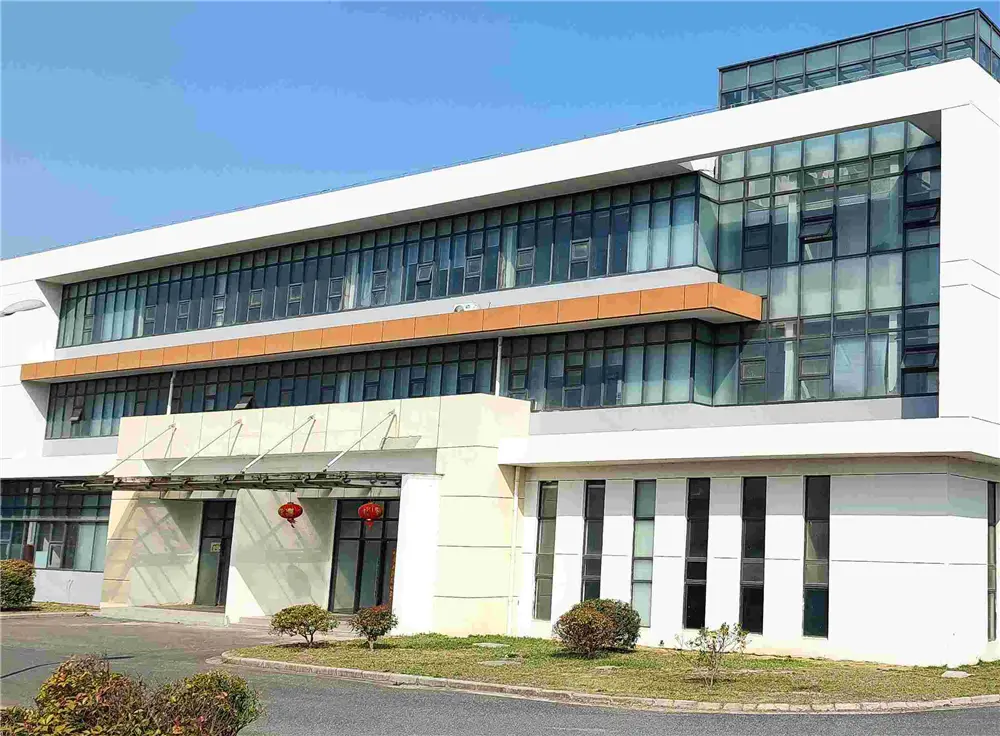
SUZHOU HIYIE CHEMICAL Co.,LTD is a preeminent, R&D-driven manufacturer of high-performance surface treatment chemicals, organic additives, and specialty industrial electroplating technologies. Our comprehensive product portfolio covers the stringent requirements of consumer electronics, high-speed communication equipment, semiconductor assembly, automotive hardware, and structural aerospace components.
To remain at the vanguard of chemical technology, we have established a dynamic collaborative model with prominent chemical universities and global chemical enterprises, initiating a specialized mobile R&D center framework designed specifically to tackle hard-to-solve surface finish dilemmas. With robust R&D headquarters situated in both Wuhan and Shanghai, our footprint stretches throughout major global electronics supply chains, partnering with renowned entities such as Foxconn Technology Group, Chint Group, Stanley, and others to deliver reliable chemical systems.
Partner with Us TodayDiscover the technical competence and quality framework supporting electroplating setups worldwide.
We boast a highly trained engineering and sales force committed to absolute professionalism and deep-dive post-sale support for all customer plant processes.
Our agile chemical synthesizing and custom formulations adapt easily to meet distinct environmental, technical, and compliance demands.
Providing next-generation green chemistries that emphasize sustainability, cyanide-elimination, and heavy-metal-free passivation without quality loss.
Our support infrastructure spans pre-sale diagnostic, on-site bath chemistry balancing, and routine titration coaching to maximize line yield rates.
Electroplated deposits serve a dual purpose: engineering function and decorative appeal. In the specialized manufacturing corridors of Cebu and Batangas, nickel plating formulas are optimized for specific sub-sectors:
The Philippines accounts for a significant portion of global semiconductor testing and packaging (OSAT). In these high-stakes cleanroom environments, nickel acts as an indispensable diffusion barrier layer between copper substrates and final finishes such as gold or palladium (ENEPIG processes). Using our low-stress formulations ensures that thin lead frames and high-density IC packages do not warp under intense thermal profiles during reflow soldering. The chemical stability of the bath prevents nodule formation, which could otherwise lead to electrical short circuits in micro-pitch components.
As the automotive sector transitions towards hybrid and fully electric platforms, vehicle wire harness systems require surface treatments capable of withstanding continuous vibrations, elevated temperatures, and moisture. Our trivalent passivations and high-corrosion zinc-nickel systems provide over 1000 hours of salt spray testing resistance (per ASTM B117 standards), ensuring critical safety sensors and connector pins do not oxidize during operation in humid coastal Philippine environments.
Industrial machinery components used in local processing mills, agriculture, and mining are subject to intense friction and abrasive wear. Electroless Nickel Plating (specifically mid and high-phosphorus formulations) deposits a highly uniform, amorphous nickel-phosphorus alloy layer that conforms to complex geometries. This provides excellent protection against acidic media, alkaline cleaners, and physical wear, extending the lifespan of pump impellers, hydraulic valves, and shaft seals.
In a global marketplace, procurement leads require suppliers to deliver more than just high-performance chemistry; they demand consistency, regulatory transparency, and shipping stability. Suzhou Hiyie Chemical addresses these priorities through:
Browse our full catalog of electroless nickel systems, zinc alloys, passivations, and specialty copper systems deployed in advanced plating shops worldwide.
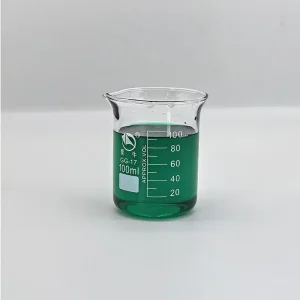
Deposits a highly uniform plating layer with excellent wear resistance, outstanding alkaline corrosion protection, and high as-plated hardness (up to 700 HV).
View Details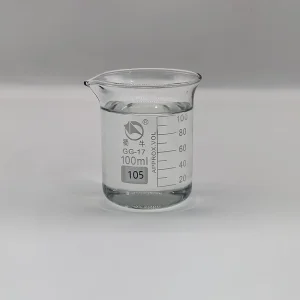
An advanced mist-suppressing carrier designed to enhance chromium deposition efficiency while significantly lowering environmental emissions in heavy industrial chrome plating lines.
View Details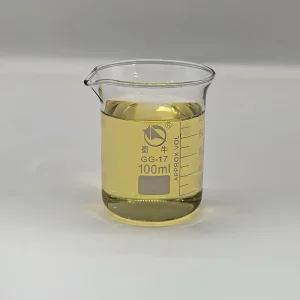
An eco-compliant plating solution designed to eliminate toxic cyanides while delivering a high-gloss zinc deposit. Features outstanding thickness uniformity across complex parts.
View Details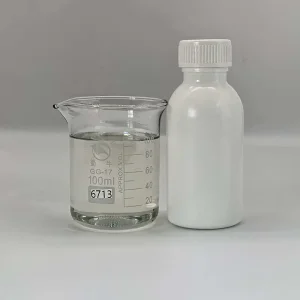
A balanced mid-phosphorus (6–9% P) electroless nickel process offering consistent deposition rates, robust bath stability, and reliable corrosion protection on steel, brass, and aluminum.
View Details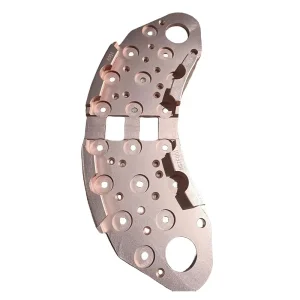
Designed as a safe, high-performance strike copper alternative. Delivers an adherent, fine-grained copper layer on zinc die-castings and carbon steel alloys.
View Details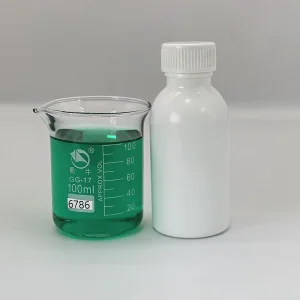
Deposits a high-phosphorus (>10% P) alloy with an amorphous non-magnetic structure. Engineered for maximum chemical and salt-spray resistance in aggressive environments.
View Details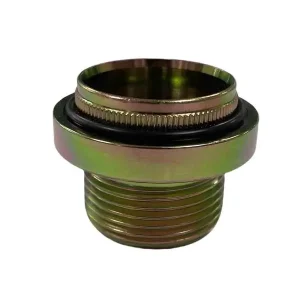
A Cr(VI)-free passivating chemical system yielding an iridescent finish with excellent self-healing properties. Exceeds standard salt spray testing limits.
View Details
Specially formulated passivation agent optimized for zinc-nickel alloy substrates. Delivers a bright, appealing blue-silver aesthetic alongside superior protective barriers.
View DetailsStay informed on global trends, chemical innovations, and company updates from Suzhou Hiyie Chemical.
Get professional answers to common questions about bath maintenance, environmental compliance, and plating performance in tropical environments.
Elevated ambient temperatures speed up the evaporation of process baths and can accelerate side reactions in additives, leading to a loss of brightener efficiency. For electroless nickel setups, prolonged exposure to heat without proper load volumes can cause localized plate-out or bath instability. We mitigate this by incorporating premium thermal stabilizers in our HITEC EN 6713 and HITEC EN 6786 series, ensuring consistent performance even under varying environmental conditions. Regular monitoring and automated dosing of deionized water and chemical replenishers are recommended.
Yes. The Philippine Department of Environment and Natural Resources (DENR) enforces strict limits on heavy metals and toxins in industrial wastewater. We offer several environmentally sound alternatives to assist with compliance, including our 8315 Alkaline Cyanide-free Zinc Plating and 372 Alkaline Cyanide-Free Copper Plating systems. Transitioning to cyanide-free formulations helps simplify waste treatment processes and reduces associated operating costs.
For high-reliability electronics in coastal environments, a multi-layer coating system is recommended. This typically consists of a copper strike or copper undercoat (2.0–5.0 μm) to enhance adhesion, followed by a high-quality semi-bright nickel layer like FS100 (5.0–10.0 μm) to act as a barrier against corrosion, and a thin topcoat of tin or precious metal for solderability. This configuration provides a robust barrier against chloride ions and moisture, protecting the underlying substrate from corrosion.
During the electroplating process, atomic hydrogen can penetrate the grain boundaries of high-strength steels, potentially leading to brittle failures under stress. To prevent this, parts should undergo a relief bake cycle (typically at 190°C–210°C for 4 to 24 hours depending on material hardness) immediately after plating and before any passivation treatments. Selecting chemical systems with high cathodic efficiency, such as our 1149 Barrel Bright Nickel Plating, also helps minimize hydrogen generation during the deposition cycle.
 HIYIE
HIYIE