High-durability conversion coatings and surface treatment formulations matching the stringent demands of Sri Lanka's growing precision engineering sector.
Navigating coastal corrosion challenges, environmental standards, and the growth of localized electronics & machinery manufacturing.
Sri Lanka's geographical position as a major maritime hub in the Indian Ocean exposes its industrial assets, infrastructural components, and export goods to severe saline atmosphere environments. This makes high-performance metal surface preservation—specifically chemical passivation—a fundamental requirement for sectors ranging from apparel machinery manufacturing to automotive components and coastal infrastructure engineering.
Historically, factories in the Biyagama and Katunayake Export Processing Zones relied on conventional passivation formulas. However, under the supervision of the Central Environmental Authority (CEA) of Sri Lanka and global environmental regulations (such as RoHS and REACH), the local industrial sector is accelerating its transition from hazardous hexavalent chromium (Cr6+) to eco-friendly trivalent chromium (Cr3+) chemistry.
As a leading international manufacturer, Suzhou Hiyie Chemical supplies advanced trivalent passivation coatings and metal plating additives. These products enable local Sri Lankan electroplaters, metal stampers, and automotive component exporters to attain over 1000 hours of neutral salt spray resistance (ASTM B117) without compromising ecological compliance.
Sri Lanka's relative humidity averages 70% to 90% year-round, combined with high chloride deposition from marine winds. Standard uncoated or poorly passivated zinc and steel components develop white rust (zinc oxides) and red rust (iron oxides) within weeks of exposure.
Discover how molecular-level barrier optimization elevates corrosion protection and complies with global green initiatives.
Our trivalent chromium formulations (e.g., 216 and ZN-318) utilize state-of-the-art complexing agents. They generate a dense, insoluble chromium-zinc-hydroxide matrix on electroplated layers, offering excellent self-healing attributes under mechanical stress.
Incorporating colloidal nano-silica into the passivating solution allows the particles to crosslink during drying. This seals micro-cracks and pores in the electroplated coating, improving thermal shock and friction resistance.
Compliant with European RoHS, WEEE, and REACH guidelines. Our systems eliminate hexavalent chromium completely, reducing wastewater treatment overhead and hazardous waste management fees for local manufacturers.
Hiyie Chemical solutions are validated by strict industrial testing standards worldwide.
Customized chemical systems for diverse engineering applications, helping local firms scale their export quality.
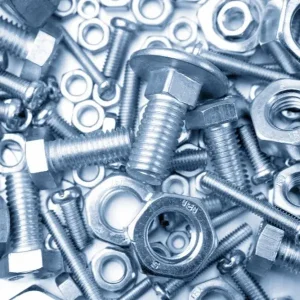
Our alkaline zinc-nickel alloy plating and matching blue/iridescent passivation processes protect high-tensile fasteners and brake brackets. They prevent galvanic corrosion when steel components contact aluminum frames.
With global clients like Foxconn, we provide specialized pearl nickel, electroless nickel (high/mid phosphorus), and chemical copper formulations. These chemistry solutions deliver reliable solderability, low electrical contact resistance, and wear protection.
For structural steel, coastal construction supports, and marine fasteners, we implement acid zinc-iron or hot-dip galvanizing passivation sealants. These systems ensure durability in C4/C5 corrosive environments.
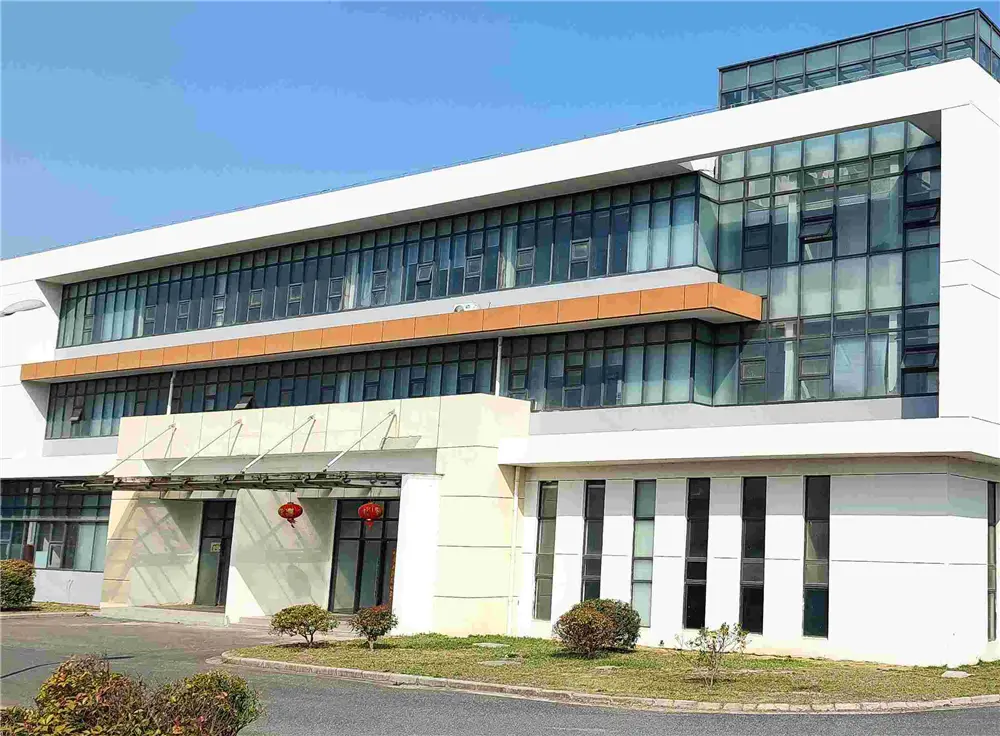
SUZHOU HIYIE CHEMICAL Co., LTD offers a diverse chemical product portfolio. Our solutions support consumer electronics, communication equipment, semiconductors, automotive components, and ornamental hardware.
In collaboration with domestic and international chemical enterprises and academic institutions, we operate dedicated R&D facilities focused on addressing challenging surface finishing needs. Since our founding, we have established core research centers in Shanghai and Wuhan.
Our marketing and technical service network extends across key industrial hubs, including the Yangtze River Delta, Pearl River Delta, and Bohai Rim. Hiyie products are widely utilized and recognized by major global enterprises, including Foxconn Technology Group, Qinghai Salt Lake Group, Chint Group, Hongbao Group, Stanley Group, and Shifeng Group. This broad adoption reflects our commitment to product performance and quality.
Why global brands and Sri Lankan manufacturers rely on Hiyie Chemical's production capacity and quality assurance.
Our manufacturing facility utilizes computerized chemical dosing, temperature management, and filtration technology. Automated processing minimizes batch-to-batch variation, ensuring stable passivation performance. Every shipment undergoes validation in our analytical lab via UV-Vis spectrophotometry, HPLC, and salt spray testing before dispatch.
Located near the port facilities of Shanghai and Ningbo, we offer optimized shipping options to South Asia. We coordinate directly with global logistics networks to ship cargo directly to Colombo Port. Our material stock reserves protect against raw material price swings and shipping delays, helping your operations run smoothly.

We focus on responsive customer service, technical sales assistance, and professional accountability.

Our R&D framework adapts to meet custom specifications and strict client performance targets.

Developing chemical surface technologies with a strong focus on ecological compatibility.

Our support team coordinates pre-sale application reviews and long-term chemical bath monitoring.
Reducing defects, optimizing processing times, and ensuring local environmental compliance.
A key challenge for electroplaters in Colombo, Gampaha, and Kandy is managing chemical bath instability due to ambient temperature variations and high humidity. We supply customized chemical monitoring instructions, titration methodologies, and troubleshooting services for common defects such as:
We assist local teams in setting up wastewater treatment processes for trivalent passivation rinse water. By establishing standard neutralization steps:
High-purity chemical systems designed to meet international manufacturing standards.
Technical insights and answers to common queries regarding metal pre-treatment and surface engineering.
Contact our technical team for product recommendations, bath chemistry guidelines, and free product samples. Let's work together to enhance your metal protection processes.
 HIYIE
HIYIE