High-efficiency chemical additives designed to meet the strict anti-corrosion demands of automotive, infrastructure, and heavy fabrication projects across Addis Ababa and Hawassa.
Ethiopia is undergoing a rapid macroeconomic transition, positioned as one of the fastest-growing industrial hubs in East Africa. Under the framework of the government's Growth and Transformation Plan (GTP) and the expansion of special economic zones—such as the Hawassa Industrial Park, Bole Lemi, Adama, and Kombolcha Industrial Parks—local manufacturing is scaling from basic assembly to complex manufacturing and metal processing.
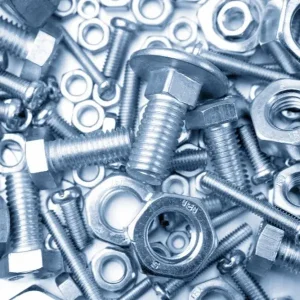
Historically reliant on imported structural steels and finished components, Ethiopian domestic enterprises are increasingly localizing supply chains. This shift has triggered a surge in demand for reliable electrochemical surface treatments, notably zinc electroplating and zinc-nickel alloy passivation. Galvanized hardware, electrical transmission towers, automotive spare parts, and agricultural machinery require advanced corrosion protection agents to cope with the diverse regional microclimates of the Ethiopian highlands and the humid Rift Valley.
As domestic manufacturers align with international quality benchmarks, the integration of high-performance conversion coatings has transitioned from an optional refinement to a regulatory and functional imperative. Our company bridges this technology gap by supplying state-of-the-art passivation chemistry directly to the expanding electroplating workshops across Ethiopia.
Under the principles of modern metallurgy, the longevity of plated steel depends heavily on the nanometer-scale conversion layer applied post-plating.
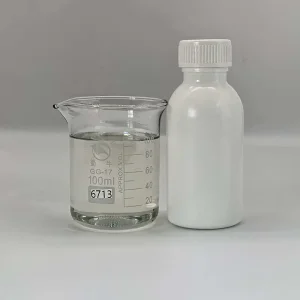
In response to international directives (including RoHS, REACH, and WEEE regulations), the global surface finishing industry has deprecated hexavalent chromium due to its high toxicity and carcinogenic nature. For Ethiopian manufacturers targeting export markets in Europe and North America, utilizing trivalent chromium (Cr3+) passivation agents is critical. Trivalent passivation creates a dense, complex coordination film containing chromium hydroxides and hydrated silica, providing excellent heat resistance and corrosion barrier protections.
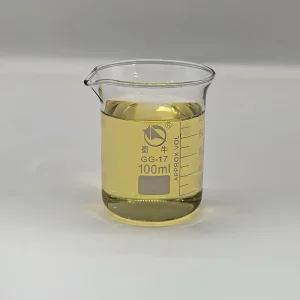
While traditional acid and alkaline zinc coatings offer sacrificial protection to steel substrates, they corrode rapidly under severe exposure. Zinc-nickel alloy electrodeposition yields a deposit containing 12% to 15% nickel by weight, offering a single-phase gamma structure. This alloy provides up to 10 times the corrosion protection of plain zinc. Our passivation agents—like the ZN-318 Blue Trivalent Zinc-Nickel Passivation—react synergistically with this gamma phase alloy to produce a uniform passivation layer that survives over 1000 hours of neutral salt spray testing (ASTM B117) before the onset of red rust.
Salt Spray Resistance (Red Rust)
Optimized Ni Alloy Content
100% Compliant Cr3+ Formula
Free Hexavalent Chrome (Cr6+)
Delivering high-tech, environmentally safe organic chemical formulas and localized support to modern metal treatment facilities.
We source top-tier chemical engineers and technical sales specialists to ensure our clients receive prompt bath analysis and optimization advice.
Our mobile R&D center adaptively optimizes formulations to match local water parameters and temperature variations common in Ethiopian factories.
Environmentally conscious formulations that lower wastewater treatment costs while exceeding standard corrosion protection margins.
Dedicated pre-sale analysis, bath setup consultation, and rapid trouble-shooting response channels for smooth manufacturing operations.
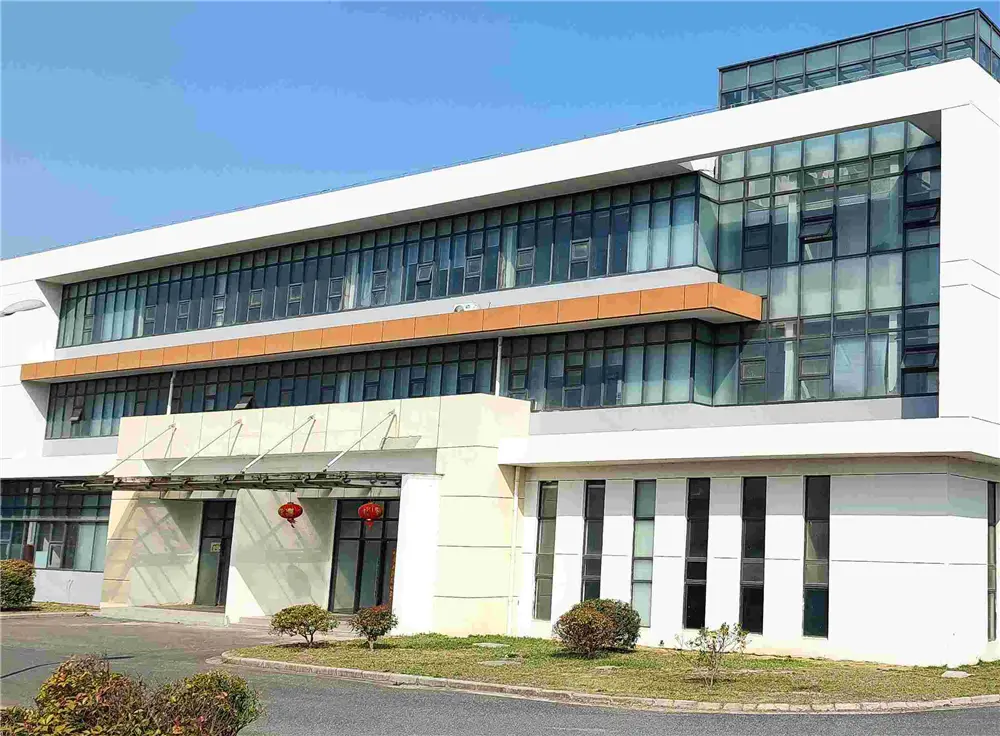
SUZHOU HIYIE CHEMICAL Co., LTD has established a comprehensive product portfolio that covers consumer electronics, communication equipment, the semiconductor industry, automotive hardware, craft gifts, and more. To solve the most pressing challenges in electroplating and passivation, we have collaborated with multiple research institutions and universities to establish a dedicated mobile R&D center.
Since our establishment, we have set up R&D facilities in Wuhan and Shanghai. Our marketing and technical network covers key global manufacturing centers. Our formulations are widely used and recognized by many domestic and foreign companies such as Foxconn Technology Group, Qinghai Salt Lake Group, Chint Group, Hongbao Group, Stanley Group, Shifeng Group, and others, earning a stellar reputation for bath stability and reliability.
Explore our full line of functional plating additives, brighteners, and carrier agents engineered for high-durability surface finishing.
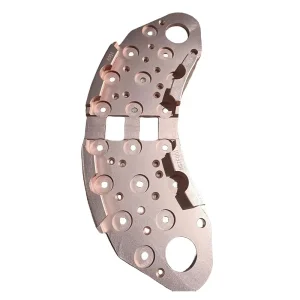
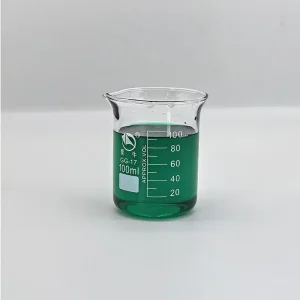
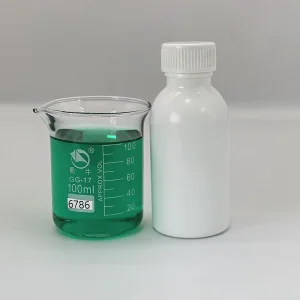
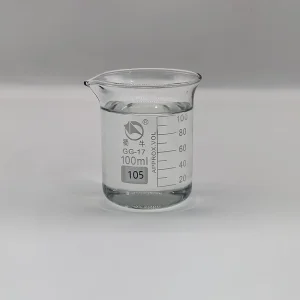
Operating a chemical plating facility in East Africa, particularly in mountainous metropolitan areas like Addis Ababa (altitude ~2,300 meters) or rift-valley setups, presents unique chemical challenges. Managing bath chemistry requires adjusting parameters for variations in raw water quality and atmospheric conditions.
In many parts of Ethiopia, the municipal or borehole water source contains high concentrations of dissolved calcium and magnesium ions (hard water). When preparing electroplating baths, these divalent cations can form insoluble complexes with standard additives, leading to reduced bath life, uneven deposition, or cloudiness in the nickel and zinc plating tanks. Hiyie Chemical supplies optimized formulation additives that incorporate specialized chelating agents. These chelators capture calcium and magnesium without disrupting the deposition dynamics of the main zinc, nickel, or copper plating baths.
Diurnal temperature swings in the Ethiopian highlands can affect bath kinetics. For example, during low night-time temperatures, standard passivation chemical solutions may experience crystallizing out of active compounds. Our trivalent passivation coatings (such as 216 Iridescent Passivation and ZN-318) are formulated with stabilization agents to prevent crystal precipitation and maintain chemical equilibrium, even under wide operating temperature ranges.
With the Ethiopian Environmental Protection Authority (EPA) enforcing strict discharge standards in modern industrial parks, metal finishers must prioritize eco-friendly, low-sludge formulations. By utilizing Hiyie's cyanide-free alkaline plating systems and zero-cobalt trivalent passivation agents, local operators can simplify neutralization processes, lower chemical oxygen demand (COD) in wastewater, and decrease hazardous sludge accumulation.
Chemical logistics requires careful regulatory adherence and transport container optimization. Suzhou Hiyie Chemical ensures that shipments destined for Ethiopia comply with all international transport regulations for dangerous goods (ADR/IMDG).
Our standard supply route proceeds via sea freight to the Port of Djibouti, followed by container land transport along the Addis Ababa-Djibouti rail corridor. This arrangement ensures timely shipping of bulk additives to major industrial centers.
To prevent container contamination during hot ocean crossings and altitude changes, we utilize double-sealed, high-density polyethylene (HDPE) drums fitted with pressure-stabilizing vents. This maintains chemical integrity from our warehouses directly to your factory floor.
Technical answers for design engineers, purchasing managers, and quality assurance personnel.

The Snake ushers in blessings as we bid the old year farewell; The Horse brings spring as we embark on a new journey. The New Year bell rings the prelude to progress; our global team wishes all partners a prosperous year of technical growth.
Read Full ArticleGet in touch with our chemical technical engineers to request customized product formulations, safety data sheets (SDS), or price quotes for the Ethiopian region.
Send Inquiry Now HIYIE
HIYIE