Explore our leading alkaline zinc, zinc-nickel alloy, and high-performance copper electroplating formulations designed for superior finish consistency.
Brazil stands as a powerhouse for industrial manufacturing in South America. The country's automotive sector, agricultural machinery manufacturing hubs, and heavy offshore oil exploration projects create a massive, uncompromising demand for surface treatments that withstand aggressive atmospheric and chemical conditions. The shift from traditional zinc-iron or pure zinc electrodeposition to Zinc-Nickel (Zn-Ni) alloy plating systems is driven by both global supply chain directives and the local need for enhanced field performance.
Specifically, major original equipment manufacturers (OEMs) across São Paulo (ABC Paulista), Rio de Janeiro, and Rio Grande do Sul are rapidly mandating the implementation of coatings containing 12% to 15% nickel content. This specific metallic ratio locks the surface into a protective γ-phase (gamma phase) crystalline structure, providing superior barrier and sacrificial protection over traditional zinc finishes. As dynamic manufacturers, our solutions directly integrate with these requirements to yield consistent, high-specification electroplating output.
Discuss Project Specs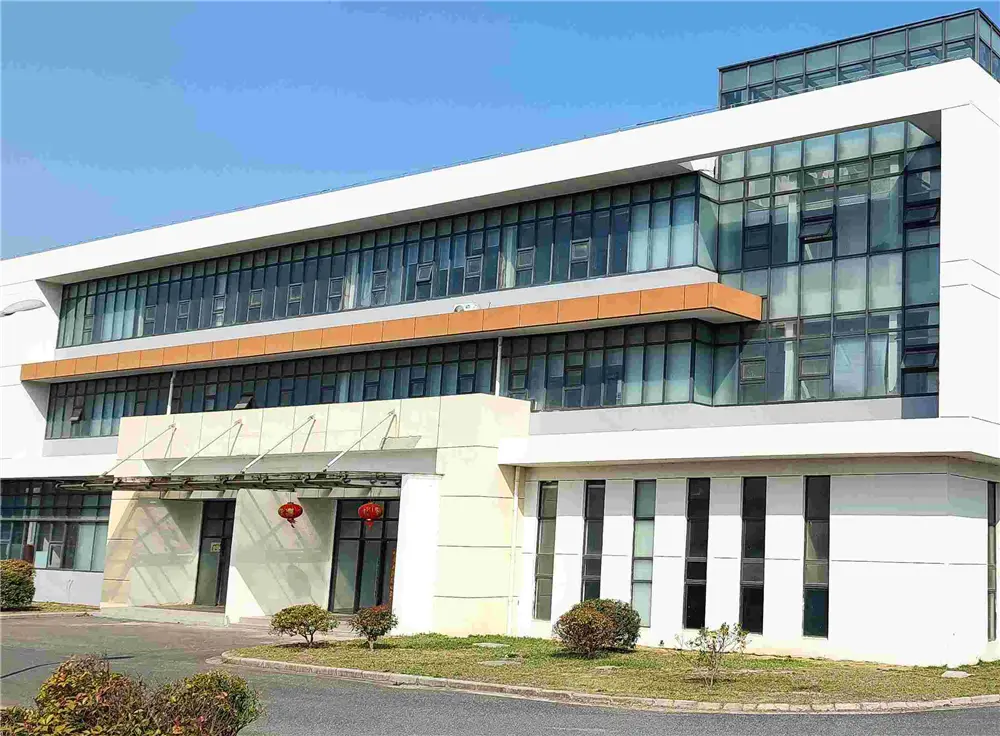
Neutral Salt Spray Hours (to Red Rust)
Optimal Nickel Alloy Concentration
Cyanide-Free Green Formulations
Global Quality Standard Assured
Why modern engineering demands Zn-Ni over standard sacrificial zinc plating coatings.
Achieves up to five times the corrosion resistance of standard zinc coatings, maintaining surface integrity under continuous thermal load (up to 120°C) and demanding weather environments.
Specially customized to prevent galvanic corrosion when in contact with aluminum structures, which is critical for lightweight chassis and aeronautic frames in modern vehicle designs.
Delivers deposit microhardness of 400-500 HV. This hardness ensures high resistance to mechanical damages, stone chipping, and aggressive thread-fastener assembly forces.
In electroplating, selecting the correct chemical formulation impacts the physical characteristics of the final coating layer. Alkaline Zinc-Nickel Plating Systems (such as our 6185 Alkaline Zinc-Nickel) offer outstanding metal thickness distribution across complex parts like automotive fasteners, tube bends, and brake calipers. The alkaline process produces a highly uniform nickel co-deposition (typically 12-15% Ni) even inside low-current-density areas, preventing localized corrosion vulnerabilities.
Conversely, Acid Zinc-Nickel Plating Systems operate with high current efficiency and high plating speed, making them suitable for simple part profiles, wires, and cast iron substrates. However, they lack the superior thickness distribution capability of alkaline counterparts. By understanding this performance trade-off, we supply Brazilian surface-treatment specialists with customized chemical kits and proprietary additives to optimize bath chemistry based on specific component geometries.
| Performance Parameter | Alkaline Zn-Ni System (e.g., 6185) | Acid Zn-Ni System | Traditional Acid/Alkaline Zinc |
|---|---|---|---|
| Nickel Alloy Co-deposition | 12 - 15 % (Highly Uniform) | 10 - 16 % (Slightly Variable) | 0 % |
| Cathodic Efficiency | 50 - 60% | 85 - 95% | 85 - 98% |
| Thickness Distribution | Excellent (1:1 to 1:1.5 ratio) | Moderate (1:3 ratio) | Variable depending on bath type |
| Salt Spray (ISO 9227) | Up to 1000h+ to Red Rust | Up to 800h to Red Rust | 120h - 240h to Red Rust |
| Hydrogen Embrittlement | Extremely Low (Baking recommended) | Low | Moderate to High |
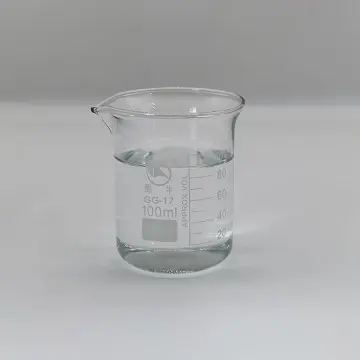
Operating an electroplating workshop in Brazil requires navigating strict ecological constraints set forth by IBAMA (Brazilian Institute of the Environment and Renewable Natural Resources) and municipal environmental control agencies (such as CETESB in São Paulo). Legacy formulas containing hexavalent chromium (CrVI) or free cyanides are being phased out in favor of eco-responsible and safe chemical solutions.
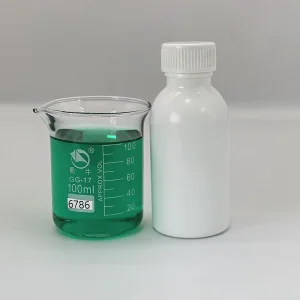
Our commitment as a leading manufacturer is demonstrated by our Cyanide-free Alkaline Zinc Plating systems and high-performance trivalent passivates (such as our ZN-318 Blue Trivalent Zinc-Nickel Passivation and 216 High Corrosion-resistant Iridescent Trivalent Zinc Passivation). These products ensure operators can maintain environmental license compliance, protect personnel, and lower waste treatment costs while delivering OEM-compliant components to global export networks.
SUZHOU HIYIE CHEMICAL CO., LTD. has curated a product portfolio that spans consumer electronics, communication networks, the semiconductor industry, automotive hardware, and heavy industrial machinery. Collaborating with chemical research centers and engineering universities, we have established multiple R&D institutions in Wuhan and Shanghai to tackle surface-finishing challenges.
Our manufacturing and distribution infrastructure serves the Pearl River Delta, Yangtze River Delta, and Bohai Rim, extending globally to South America, notably serving key metalworking zones throughout Brazil. Trusted by global firms like Foxconn Technology Group, Chint Group, and Stanley Group, we provide both chemical concentrates and end-to-end electroplating consulting to keep production lines running at peak performance.

Providing industry-specific capabilities that address critical operational challenges.
Our dedicated chemical application specialists support bath setups, bath analysis, parameter control, and troubleshooting to keep your lines running smoothly.
We tailor formulation parameters such as brightness ranges, alloy ratios, and bath temperatures to suit specific local conditions in Brazilian plating plants.
We provide stable, long-term supply pathways for critical chemical additives to key industrial hubs like Campinas, Curitiba, and Caxias do Sul.
Our complete chemical line-up for zinc-nickel passivation, electroless nickel plating, and bright nickel technologies.
In response to emerging global standards, the development of surface finishing technologies focuses on automation, durability, and reduced process emissions. Automotive programs specify performance limits that exceed standard corrosion testing benchmarks. The integration of Smart Plating Process Controls enables real-time monitoring of bath parameters, keeping organic additives and nickel ratios at optimal concentrations to prevent high-current density burning or low-current dropouts.
Additionally, the development of trivalent passivation sealers containing nanoparticles addresses friction coefficient variability. Automotive fasteners require consistent torque-tension relationships during robotic assembly. Our passivation chemistries (such as ZN-318) combined with silica-based topcoats provide both high corrosion protection and controlled friction coefficients (0.12 - 0.18 μ), meeting specs like VDA 235-104 and regional ABNT requirements.
Connect with our engineering team to review chemistry formulations, equipment sizing, wastewater management protocols, and import documentation support.
Send Inquiry NowTechnical guidance regarding zinc-nickel electrodeposition, passivation compatibility, and regional logistics support.
The standard range is 12% to 15% nickel content by weight. Below 12% Ni, the alloy does not form the optimal gamma phase (γ-phase), resulting in reduced corrosion resistance. Above 15% Ni, the alloy becomes brittle and can increase the risk of micro-cracking, particularly on parts subjected to mechanical stress, bending, or crimping.
Our 6185 Alkaline Zinc-Nickel system generates a coating that regularly withstands 1,000+ hours of Neutral Salt Spray Testing (NSST - ISO 9227) before showing red rust, and 240+ hours before showing initial white rust, depending on the passivation and sealer system selected. This performance meets international specs like DIN 50979 and ISO 2081.
Alkaline chemistry provides outstanding metal distribution (throwing power), resulting in uniform thickness on complex geometry surfaces such as internal thread recesses and deep pockets. Acid zinc-nickel systems feature higher deposition speeds but deposit excess metal on corners and edges (dog-bone effect) while leaving recess areas underplated.
Yes. Our formulations are designed for compliance with modern environmental standards. We supply 100% cyanide-free alkaline zinc baths and trivalent passivates (CrIII) that replace hazardous hexavalent chromium (CrVI) systems. This helps plating shops simplify waste treatment processes and meet local environmental requirements.
We work with international logistics providers experienced in handling industrial chemicals. We supply all necessary documents, including Safety Data Sheets (SDS), certificate of analysis, and import documentation, ensuring safe transit to Brazilian ports such as Santos and Paranaguá, and reliable delivery to local facilities.
 HIYIE
HIYIE