Highly optimized alkaline zinc-nickel and passivation technologies deployed in European industrial networks.
Understanding the engineering demands of the low lands: maritime exposure, offshore energy systems, and high-tech supply chains.
The Dutch industrial landscape presents some of the most aggressive corrosion challenges globally. Operating with extensive maritime networks, massive deltaworks, wind energy platforms in the North Sea, and complex agricultural engineering, localized materials must withstand sustained atmospheric salt loads, humidity, and constant mechanical strain. Consequently, traditional zinc plating coatings are increasingly replaced by high-performance Alkaline Zinc-Nickel (Zn-Ni) coatings.
Alkaline Zinc-Nickel alloy electroplating delivers a deposit consisting of 12% to 15% nickel content, with the remainder being zinc. This specific ratio creates a single gamma-phase crystal structure ($Ni_5Zn_{21}$), offering unmatched sacrificial corrosion protection. In typical neutral salt spray testing (ISO 9227 / ASTM B117), components treated with our alkaline zinc-nickel alloy formulations routinely exceed 1,000 hours before the appearance of red rust—vastly outperforming standard zinc coatings which show deterioration after only 120–240 hours.
Precise control of the co-deposition rate ensures a stable 12-15% Ni layer, eliminating the brittle phases that cause cracking in subsequent forming operations.
Designed for C5-M high-saline marine environments, ensuring structural hardware in offshore wind turbines and dock machinery remains corrosion-free.
100% free of hexavalent chromium (CrVI) and cyanides. Formulated to meet strict Dutch and European Union environmental safety directives.
A side-by-side comparative analysis of different surface treatment solutions.
| Plating Technology Type | Alloy Composition | Average Thickness (μm) | Salt Spray Resistance (Red Rust) | Dutch Application Sector |
|---|---|---|---|---|
| 6185 Alkaline Zinc-Nickel Plating | 12 - 15% Ni (Balance Zn) | 8 - 15 | > 1,000 Hours (ASTM B117) | Automotive Tier-1, Offshore Wind, Subsea Piping |
| 8315 Alkaline Cyanide-Free Zinc | Pure Zinc (Cr(III) Passivated) | 5 - 15 | > 240 Hours | Light Electronics, Warehouse Racking Systems |
| Acid Zinc Plating | Pure Zinc | 5 - 12 | > 120 Hours | Consumer Fasteners, General Hardware |
| Electroless Nickel (High Phos) | 10 - 12% Phosphorus (Bal Ni) | 10 - 50 | > 500 Hours (Highly Acid Resistant) | ASML Semiconductor Tooling, Valve Internals |
Leveraging massive manufacturing scale, reliable chemical engineering, and strategic logistical connections directly to Rotterdam Port.
For Dutch procurement managers and plating shops in Eindhoven, Twente, or Rotterdam, the supply chain for electroplating additives and chemical supplies must balance consistent high quality with economic viability. As a premier Chinese manufacturer with dedicated R&D divisions in Shanghai and Wuhan, Suzhou Hiyie Chemical Co., Ltd. offers a critical dual benefit: world-class quality and highly optimized production efficiency.
Our manufacturing plant uses fully integrated raw-material chains and automated chemical reactors. This scale lets us produce additives like the 6185 Alkaline Zinc-Nickel system and the ZN-318 Blue Trivalent Passivation with exceptional consistency, batch after batch. We offset local EU manufacturing overheads by optimizing mass-production output and conducting internal HPLC, ICP, and cyclic voltammetry analysis. This guarantees that every shipment landing at the Port of Rotterdam performs exactly as specified in your laboratory reports.
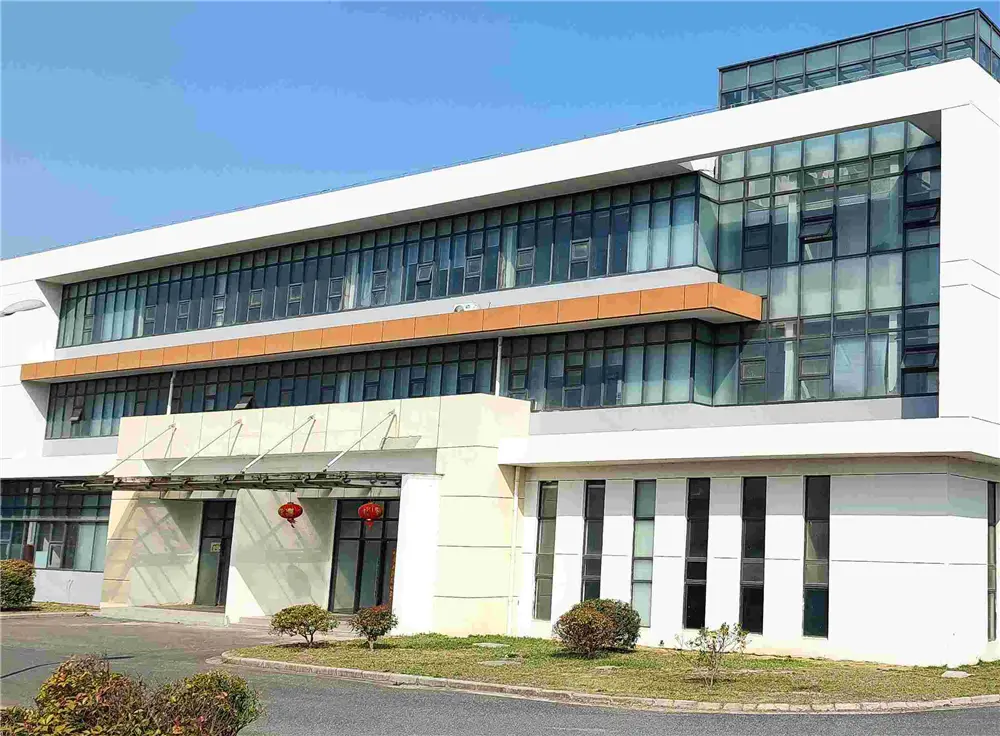
SUZHOU HIYIE CHEMICAL Co., LTD is a professional developer and manufacturer of advanced electroplating additives and specialty surface finishing chemicals. Our comprehensive portfolio covers consumer electronics, semiconductor manufacturing tools, automotive hardware, and harsh-environment marine equipment.
Collaborating with leading domestic and international chemical engineering universities, HIYIE operates dedicated R&D hubs in Wuhan and Shanghai. Our solutions are used and trusted by global enterprises, including Foxconn Technology Group, Chint Group, Stanley Group, and others. We are committed to helping European surface finishers transition to clean, robust, and cost-effective chemical systems.
Providing technical value and global supply chain support for high-specification surface finishing.
Our sales engineers and electrochemists provide detailed bath analysis and troubleshooting for automated production lines.
We customize additives to suit specific current distribution demands and complex rack configurations in Dutch factories.
We replace legacy cyanide baths and Cr(VI) components with stable trivalent chrome and green organic additives.
Our European service network offers fast technical support, bath analysis, and troubleshooting across the Netherlands.
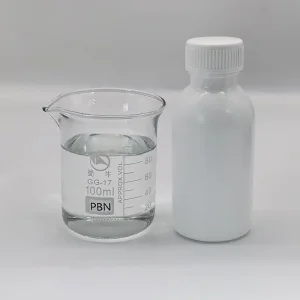
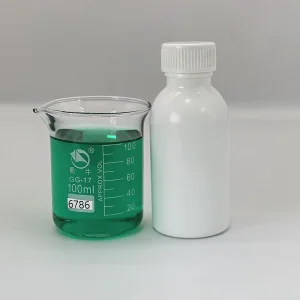
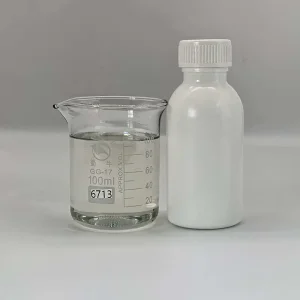
High-purity organic additives and metal deposition formulations engineered for global quality specifications.
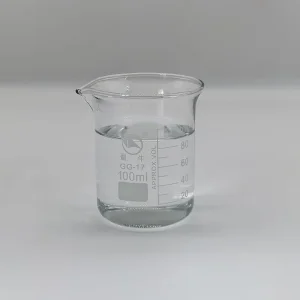
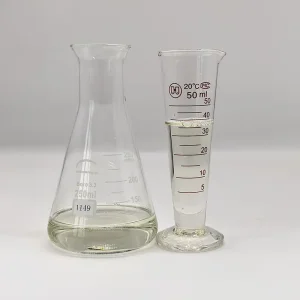
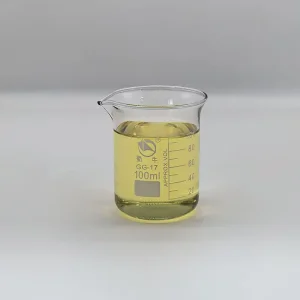
Providing expert answers to key engineering and chemical formulation questions.
At a composition of 12% to 15% nickel content, the electroplated deposit forms a distinct gamma crystalline phase ($Ni_5Zn_{21}$). This phase offers ideal anodic sacrificial protection and helps prevent mechanical stresses, which in turn reduces hydrogen embrittlement. If nickel content falls below 12%, the coating behaves like standard zinc, sacrificing itself too quickly. If it exceeds 16%, the deposit becomes brittle, prone to micro-cracking, and can lose its sacrificial protective characteristics.
Alkaline zinc-nickel electroplating baths provide significantly better thickness distribution across complex parts compared to acid-based systems. Acid baths deposit metal faster but can lead to uneven thickness on recessed areas or internal threads. Alkaline chemistries ensure uniform alloy deposition (maintaining the 12-15% Ni range) across the entire component geometry, making them the preferred choice for safety-critical automotive fasteners and aerospace parts.
Yes, all our primary plating systems—including the 6185 Alkaline Zinc-Nickel Plating additives and our trivalent passivations (such as ZN-318 Blue and 216 Iridescent)—are completely free of hexavalent chromium (CrVI), lead, and cyanide. We prioritize health, safety, and environmental responsibility, ensuring full compliance with the European Chemical Agency (ECHA) REACH regulations.
Our standard manufacturing and quality-assurance cycle takes 7 to 10 days from order confirmation. Sea freight shipping from our facilities near Shanghai Port to the Port of Rotterdam generally takes 30 to 35 days. For urgent requirements, we can arrange air freight or fast sea shipping routes to help keep your production lines running smoothly.
Partner with a premier developer of high-purity electroplating additives. Get in touch with our technical team to request free product samples, arrange bath evaluations, or discuss custom chemical formulations.
 HIYIE
HIYIE