Optimized coating additives engineered for advanced wear resistance, stable zinc-nickel alloy co-deposition, and superior corrosion barrier protection in demanding industrial setups.
An advanced alkaline chemistry providing uniform 12-15% nickel content co-deposition across complex geometries. Delivers exceptional corrosion protection for Serbian automotive chassis components.
View System Details
Eco-friendly plating technology optimized for high-brightness coatings without cyanide hazards. Excellent bath stability and metal distribution for structural hardware.
View System Details
A specialized trivalent passivating system designed specifically for Zn-Ni alloy layers. Forms an intense, uniform blue protective film with superior self-healing properties.
View System Details
Formulated to achieve over 120 hours of salt spray resistance before white rust. Perfect for high-temperature and harsh-climate structural components across the Balkans.
View System DetailsA Technical Guide to Meeting Global Automotive Standards and Enhancing Mechanical Lifespans in Southern European Heavy Manufacturing Hubs.
Serbia has transitioned into a highly competitive manufacturing and engineering epicentre within Southern Europe. Facilitated by extensive Foreign Direct Investment (FDI) and strategic industrial zones in Kragujevac, Novi Sad, Pančevo, and Niš, the nation is now a critical supplier of components to Western European markets, particularly Germany, Italy, and Austria. The automotive sector, machinery fabrication, metal processing, and agricultural equipment manufacturing require superior corrosion resistance technologies that conform to strict global standards.
Traditional zinc coatings are no longer sufficient to meet the strict requirements of tier-1 automotive suppliers (such as ZF, Continental, and Minth Group) operating in Serbia. Components must withstand aggressive road environments, extreme thermal variations, and exposure to chemical agents. Alkaline Zinc-Nickel electroplating systems, which deposit an alloy consisting of 12% to 15% nickel balanced with zinc, provide the optimal metallurgical solution.
Zinc-nickel alloy electroplating delivers up to ten times the protection of standard zinc coatings. The exceptional performance of the Zn-Ni deposit is attributed to its unique phase structure. The gamma-phase crystal structure, containing 12-15% nickel content, offers sacrificial protection to iron and steel substrates, while exhibiting a significantly lower corrosion rate than pure zinc coatings. Key benefits include:
Maintaining nickel concentrations within the 12% to 15% band is critical. If the nickel content drops below 12%, the coating behaves similarly to conventional zinc, resulting in rapid consumption of the sacrificial layer. If nickel concentrations exceed 16%, the coating becomes noble compared to the steel base metal, losing its sacrificial property and increasing the risk of localized pitting. Our 6185 Alkaline Zinc-Nickel system features proprietary organic additives that control this co-deposition profile across varying current density zones.
As industrial activities in the Balkan region expand, direct sourcing of chemical formulations from China provides significant competitive advantages for Serbian electroplating lines and surface treatment job shops. Suzhou Hiyie Chemical Co., Ltd. supplies high-performance electroplating additives, brighteners, stabilizers, and passivation agents to support these operations.
Chinese manufacturing scale, combined with focused R&D, ensures that our chemical systems meet or exceed European standards at optimized cost levels. Surface finishing shops in Subotica, Kragujevac, and Belgrade can achieve lower cost-per-square-meter electroplating costs while maintaining full compatibility with European REACH and RoHS environmental directives.
To fully capitalize on modern surface finishing technologies, local manufacturers must align chemistry configurations with specific industrial applications. Here are the primary deployment scenarios observed across the Serbian industrial sectors:
With major automotive manufacturers upgrading their plants in Kragujevac to support electric vehicles (EVs), there is an increasing demand for zinc-nickel coated brake calipers, fuel rails, transmission components, and specialized fasteners. Trivalent passivations such as the ZN-318 Blue system ensure these components pass the rigorous cyclical humidity and corrosion stress tests required by major European automotive groups.
Agricultural machinery operates in highly corrosive environments containing fertilizers, moist soil, and animal waste. Heavy excavating equipment deployed in the Bor copper mines requires hydraulic pipes, heavy-duty bolts, and coupling hardware that can withstand mechanical wear and chemical exposure. Alkaline zinc-nickel alloy coatings provide the necessary surface hardness (up to 450 HV) to prevent premature abrasion and structural failure.
Outdoor substation connectors, transmission line tower fasteners, and switchgear components require decades of service life without maintenance. Our high corrosion-resistant trivalent passivations, used in combination with topcoat sealants, protect base steel parts against environmental degradation, reducing infrastructure lifecycle costs for local utility networks.
Serbia's ongoing integration with European markets requires strict compliance with environmental regulations. Our plating systems are developed without the use of hexavalent chromium (Cr6+) and cyanide. Transitioning to our 8315 Alkaline Cyanide-free Bright Zinc and 6185 Zinc-Nickel processes helps domestic plating shops meet these environmental mandates, simplify wastewater treatment, and lower regulatory compliance costs.
Successful Zn-Ni plating depends on maintaining the correct chemical balance in the plating bath. Key operating parameters include:
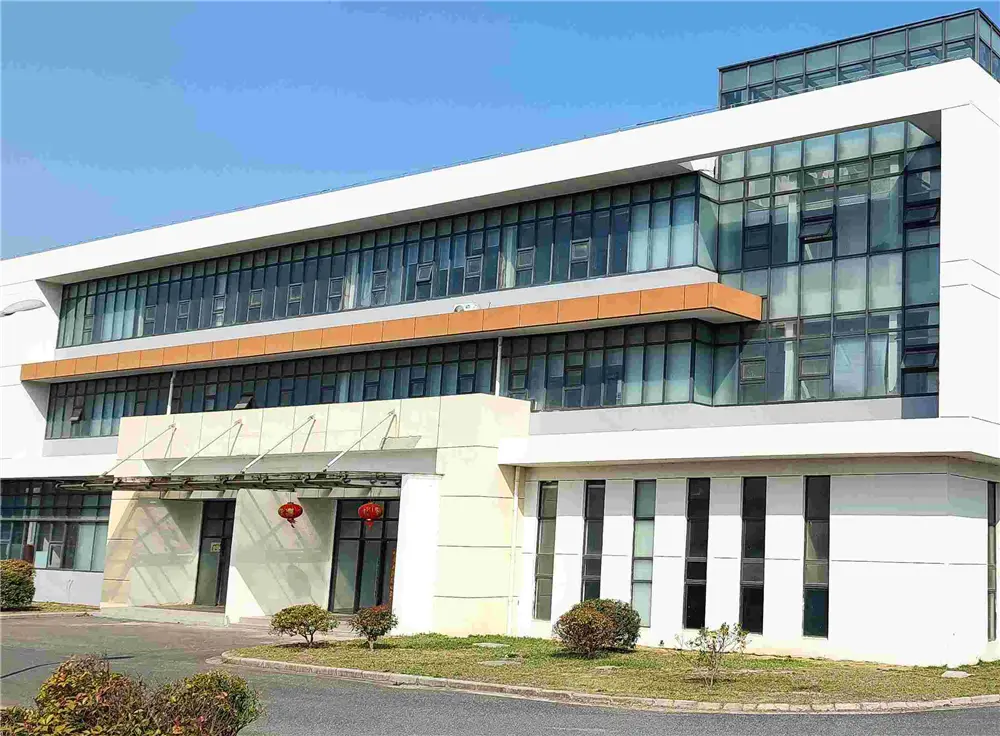
SUZHOU HIYIE CHEMICAL Co., LTD offers a comprehensive product portfolio that serves the consumer electronics, communication equipment, semiconductor, automotive hardware, and general metal finishing industries. We collaborate with international chemical researchers and universities to maintain a dedicated mobile R&D center focused on solving technical surface treatment challenges.
Since our establishment, we have set up R&D centers in Wuhan and Shanghai, with a sales and technical support network covering key industrial zones. Our products are widely used by global manufacturing companies, including Foxconn Technology Group, Qinghai Salt Lake Group, Chint Group, Hongbao Group, Stanley Group, and Shifeng Group, establishing a reputation for quality and reliability.
Learn More About Our Team
Our engineering and sales support teams provide responsive assistance to resolve manufacturing challenges for our customers.

Our flexible R&D mechanism allows us to formulate and customize surface finishing chemicals to meet specific performance requirements.

We develop eco-friendly plating chemical formulations that comply with international environmental initiatives and minimize waste.

We provide pre-sale consulting, process optimization, and after-sales support to ensure reliable operation of customer plating lines.
A comprehensive line of high-performance nickel and zinc surface treatments designed to meet international manufacturing standards.
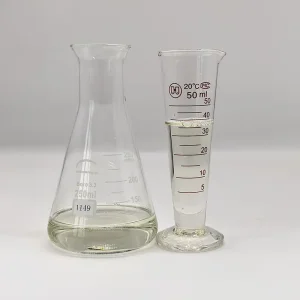
Designed for high-speed barrel plating operations, providing excellent brightness and uniform metal distribution for small mechanical parts and fasteners.
View System Details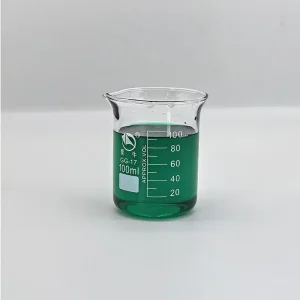
An electroless plating system producing hard, wear-resistant coatings with low phosphorus content, suitable for electronic components and heavy machinery.
View System Details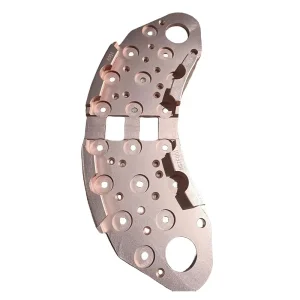
A cyanide-free copper plating chemistry that provides a uniform strike layer on steel, zinc die-cast, and aluminum alloys.
View System Details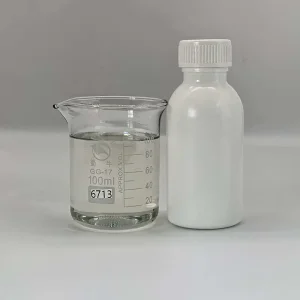
A medium-phosphorus electroless nickel chemistry formulated for stable operation and balanced corrosion resistance and wear properties.
View System Details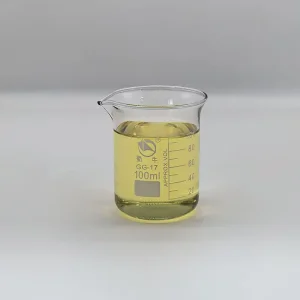
A high-speed nickel plating system that reduces cycle times while providing high brightness and leveling performance.
View System Details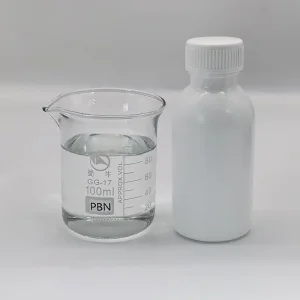
Formulated to produce an elegant, non-glare satin finish, suitable for decorative applications in automotive interiors and consumer goods.
View System Details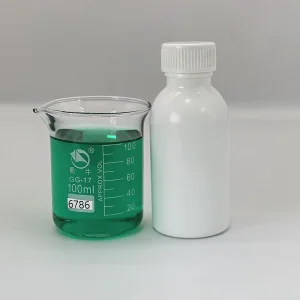
A high-phosphorus electroless nickel chemistry designed to provide superior corrosion protection in acidic environments, such as chemical processing and oil sectors.
View System Details
A semi-bright, sulfur-free nickel process that serves as an undercoat in multi-layer nickel systems to improve overall corrosion protection.
View System DetailsCommon questions regarding electrochemistry parameters, performance standards, and chemical supply logistics for the Balkan region.
The 12-15% nickel range produces a single-phase gamma crystalline structure. This specific metallurgical phase offers optimal corrosion protection by remaining sacrificial to steel while eroding at a significantly lower rate than pure zinc or low-alloy zinc coatings. It also exhibits low galvanic corrosion when in contact with aluminum alloys.
Alkaline systems provide superior metal distribution, ensuring uniform thickness and alloy composition across complex geometries, including recesses and internal threads. While acid systems deposit coatings faster, they can result in uneven alloy ratios and thickness on complex-shaped parts.
Yes, all of our plating additives, including the 6185 Zinc-Nickel system, 8315 Alkaline Cyanide-Free Zinc, and ZN-318 Blue Trivalent Passivation, are fully compliant with RoHS 3, REACH, and End-of-Life Vehicles (ELV) directives.
We utilize established logistics pathways, including the China-Europe Railway Express and shipping routes via the port of Piraeus, to deliver cargo directly to Belgrade, Novi Sad, or Kragujevac. Standard sea transit times are typically 30 to 45 days, while rail transit takes approximately 18 to 22 days.
We provide comprehensive technical support, including bath start-up guides, dosing guidelines, and laboratory testing analysis. Customers can send bath samples to our R&D center for atomic absorption (AA) spectroscopy and Hull Cell testing, helping to maintain chemical balance and consistent coating quality.
 HIYIE
HIYIE