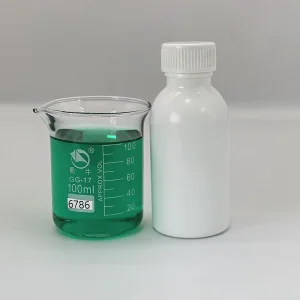
Explore our elite portfolio of advanced metal electroplating, passivation, and surface finishing additives designed for industrial excellence.
A comparative transition from hazardous cyanide baths to high-performance, non-toxic alternatives.
For nearly a century, cyanide-based copper electroplating served as the industrial benchmark for generating highly adherent copper strike coatings on active substrates such as carbon steel, zinc die-castings, and aluminum. The exceptional thermodynamic stability of the copper-cyanide complex $[Cu(CN)_3]^{2-}$ effectively prevents non-adherent displacement (immersion) plating, guaranteeing robust substrate-to-layer adhesion. However, the extreme toxicity of cyanides, paired with stringent, costly effluent treatment criteria, has triggered a massive global shift toward green alternatives.
Modern Alkaline Cyanide-Free Copper Plating formulations, such as the 372 Alkaline Cyanide-Free Copper Plating process developed by Suzhou Hiyie Chemical, represent the apex of this transition. By utilizing advanced organic complexing agents (specifically customized organic amines and phosphonic acid derivatives), these systems mimic the polarization curves of cyanide baths. The organic chelates regulate the concentration of free copper ions ($Cu^{2+}$) at the cathode boundary layer, matching the deposit quality of traditional cyanide formulations while eliminating the catastrophic risks associated with hazardous cyanide exposure.
Utilizes multi-dentate organic ligands that tightly coordinate with copper ions, shifting the deposition potential negative to ensure uniform nucleation on active metals without immersion plating.
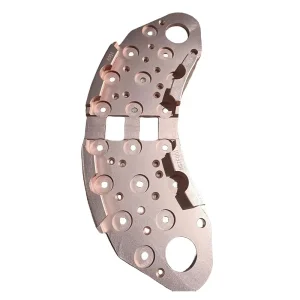
Enables direct copper electrodeposition on iron, steel, zinc alloys, and brass substrates, providing a ductile, pore-free undercoat for subsequent nickel or acid copper layers.
Eliminates chlorination processes required for cyanide destruction. Wastewater can be easily treated using standard precipitation and pH adjustment, lowering operating costs by up to 45%.
Why manufacturing procurement divisions are phasing out cyanide in favor of clean alkaline formulations.
The global demand for alkaline cyanide-free copper plating chemicals is surging, driven by a combination of tightening environmental laws and corporate ESG mandates. Regulatory frameworks such as the European Union’s REACH Annex XIV/XVII, the United States EPA’s Clean Water Act, and China’s strict environmental protection laws have placed heavy financial and legal burdens on facilities operating traditional cyanide electroplating lines. In response, global procurement managers are actively seeking manufacturers that can supply reliable, high-purity, cyanide-free chemicals that integrate seamlessly into existing lines.
Automotive OEMs, consumer electronics giants (such as Foxconn), and premium hardware brands now demand that their supply chain partners minimize hazardous waste. Switching to cyanide-free processes not only satisfies these supplier audits but also reduces insurance premiums, workplace safety liabilities, and chemical logistics costs. Our logistics infrastructure is optimized to ship these non-hazardous formulations worldwide, ensuring secure supply lines and stable operations.
Optimized pre-treatment and electroplating sequences across diverse metallic substrates.
Achieving superior adhesion with alkaline cyanide-free copper plating requires a precise understanding of substrate metallurgy. Active metals behave differently in non-cyanide formulations due to differences in standard electrode potentials. Below is our engineered technical roadmap for processing key industrial metals:
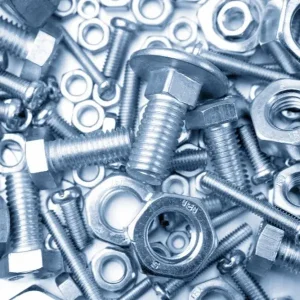
Direct plating is highly efficient. The custom organic complexing agents in the 372 process prevent displacement plating, forming a dense, coherent first layer. Pre-treatment steps include hot alkaline degreasing, pickling in 10% hydrochloric acid, followed immediately by the alkaline cyanide-free strike copper plating bath.
Zinc alloys are extremely sensitive to chemical attacks in acidic and strongly alkaline media. The 372 Alkaline Copper bath operates at a mild, buffered alkaline pH (typically 9.0–10.0), which prevents chemical dissolution of the zinc substrate, eliminating blistering and adhesion failure.
Aluminum requires a double zincating treatment before plating. The alkaline cyanide-free copper strike is then applied over the zincate film. Because the bath chemistry is non-aggressive to zinc, it preserves the thin zincate layer, guaranteeing excellent peel strength and adhesion.
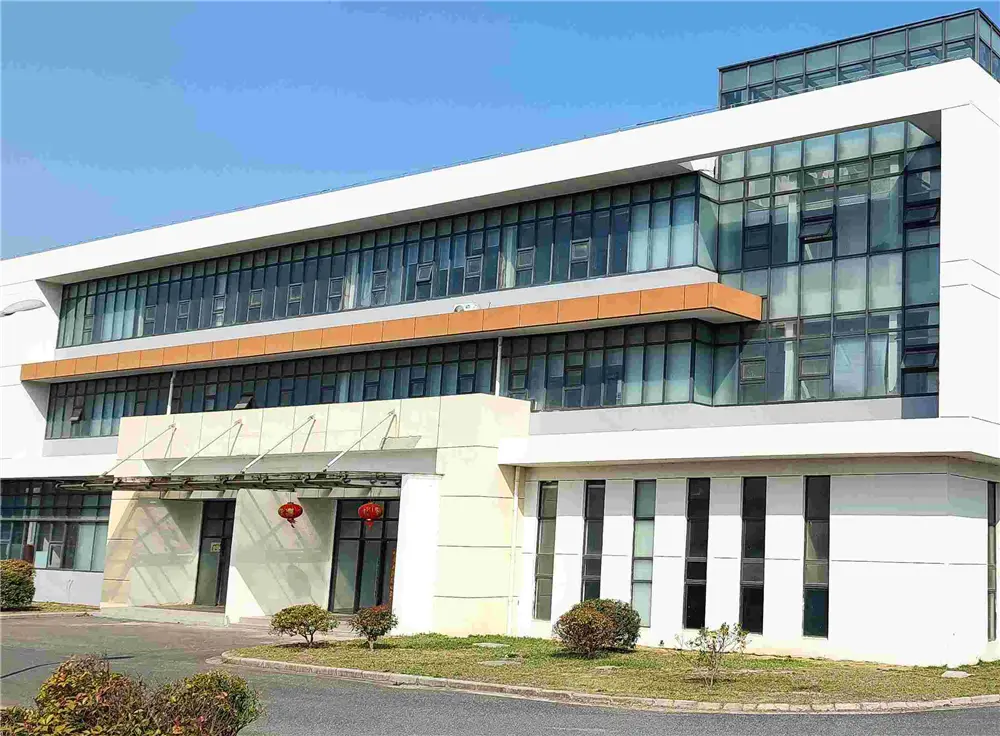
SUZHOU HIYIE CHEMICAL Co.,LTD has built a diverse product portfolio that supports consumer electronics, communication equipment, semiconductors, automotive hardware, craft gifts, and more. We collaborate with domestic and international chemical researchers and universities to operate a mobile R&D center dedicated to solving critical technical challenges in surface finishing.
Since our establishment, we have set up R&D centers in Wuhan and Shanghai, positioning our chemical engineers at the forefront of chemical innovation. Our marketing and technical support networks cover the Pearl River Delta, Yangtze River Delta, and Bohai Rim regions, ensuring fast delivery and expert on-site technical support.
Hiyie's advanced chemical systems are widely used and recognized by leading domestic and foreign enterprises, including Foxconn Technology Group, Qinghai Salt Lake Group, Chint Group, Hongbao Group, Stanley Group, and Shifeng Group.
Providing value-driven chemical engineering and dedicated support to surface finishers worldwide.
We recruit and develop top-tier technical talents to support our customers, providing professional guidance from initial bath configuration to long-term quality control.
Our flexible research and development model enables us to customize chemical properties to meet unique customer specifications and specialized line layouts.
We design our formulas with a strong focus on environmental protection, helping surface treatment facilities meet strict emissions targets without sacrificing process efficiency.
Our dedicated pre-sales, sales, and after-sales support teams provide on-site diagnostics, bath analyses, and troubleshooting to keep your production line running smoothly.
Innovating the next generation of safe, efficient, and automated copper plating processes.
The evolution of alkaline cyanide-free copper plating focuses on three primary objectives: improving deposition rates, stabilizing complexing agents, and simplifying wastewater treatment. First-generation cyanide-free systems faced issues with bath life and slower deposition compared to cyanide. However, modern organic formulations have largely resolved these concerns, matching traditional performance levels.
Suzhou Hiyie Chemical is actively researching next-generation additives that increase deposition speeds by up to 25% while maintaining excellent adhesion and fine grain structures. We are also designing smart dosage systems that analyze bath parameters in real time, automatically adjusting additive concentrations to minimize chemical waste and maximize production consistency.
Stay informed about Suzhou Hiyie Chemical's corporate developments and holiday schedules.

The Snake ushers in blessings as we bid the old year farewell; The Horse brings spring as we embark on a new journey. The New Year bell rings the prelude to progress as we continue to deliver sustainable surface treatment solutions globally.
Answers to common chemical engineering and application questions regarding alkaline cyanide-free copper plating.
Explore additional advanced plating processes, additives, and high-performance carriers.
 HIYIE
HIYIE