Explore our premium grade non-cyanide brighteners, passivations, and electroless nickel systems designed to replace hazardous traditional systems.
The global metal finishing sector is undergoing an unprecedented shift. Driven by rigorous regulatory frameworks such as REACH, RoHS, and local EPA mandates, industrial manufacturers are replacing legacy cyanide-based electroplating processes with environmentally sound alternatives. Among these, Alkaline Non-Cyanide Bright Zinc & Copper systems stand out as the premium technological standard, delivering excellent performance without compromising process safety or environmental integrity.
Cyanide ions have traditionally served as the ultimate complexing agent for metal ions in alkaline plating baths. Their high stability constants allowed for smooth, fine-grained deposits across extremely wide current density ranges. However, legacy cyanide plating creates severe health, safety, and wastewater treatment challenges. Replicating this behavior without cyanide requires sophisticated organic chelating agents, polymeric carrier molecules, and specialized brighteners.
Modern non-cyanide formulations utilize custom-engineered amine-based polymers or polycarboxylic acid derivatives as complexing complexes. These agents exhibit high polarization properties at the cathode surface, effectively slowing down metal deposition rates to promote fine nucleation. The result is a deposit characterized by superior uniform thickness (exceptional throwing power), excellent adhesion, and low internal stress, matching or exceeding legacy cyanide systems.
Replacing traditional cyanide chemistry is not only an environmental decision but a strategic financial choice. The wastewater treatment costs of cyanide destruction (involving chlorination or advanced oxidation processes) are substantial. Transitioning to an alkaline non-cyanide system streamlines waste treatment processes:
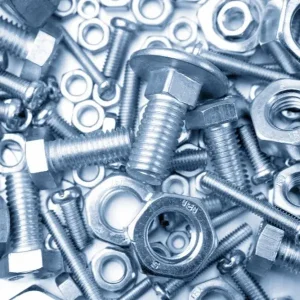
Formulations optimized for maximum cathodic efficiency, preventing hydrogen embrittlement in high-tensile steel fasteners.
Equally compatible with rack and barrel configurations, ensuring smooth scale-up across diverse component geometries.
Our chemical systems comply with REACH, RoHS, and key automotive Tier-1 supplier standards globally.
Our commitment to surface finishing R&D is driven by a long-term technology road map aimed at continuous chemical innovation.
Transitioning from hazardous cyanide formulations to early-stage alkaline amine complex systems. Setting standard parameters for brighteners and levelers.
Improving cathodic current efficiency to reduce hydrogen embrittlement. Developing systems designed for high-stress alloy deposition like Zinc-Nickel.
Introducing ultra-low organic carbon additives and smart bath chemistries that reduce byproduct accumulation, extending bath lifespans significantly.
Providing specialized chemistries engineered for heavy industries requiring high corrosion protection and precise mechanical tolerances.
Providing critical components with uniform, high-thickness coatings. Formulated to withstand road salts, high under-hood temperatures, and mechanical stress in EV structural components.
Designed for lead frames, connector pins, and micro-hardware requiring fine tolerances, high conductivity, and exceptional solderability.
Offering highly durable sacrificial zinc coatings for solar panel tracking assemblies, wind turbine fasteners, and outdoor electrical infrastructure.
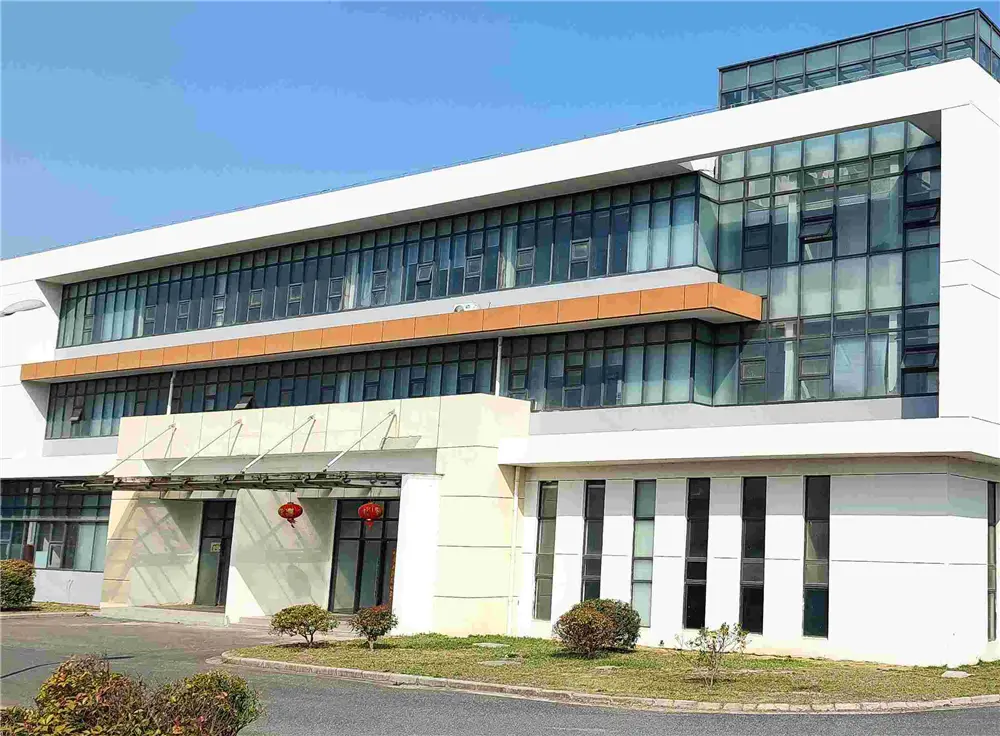
SUZHOU HIYIE CHEMICAL CO., LTD. offers a comprehensive chemistry portfolio covering consumer electronics, communication equipment, semiconductor manufacturing, automotive hardware, and specialized functional coatings. In partnership with leading domestic and foreign chemical laboratories and universities, we have established a mobile R&D network dedicated to solving real-world surface engineering challenges.
Since our inception, we have established core R&D institutions in Wuhan and Shanghai, positioning our research teams close to emerging tech clusters. Our active marketing and technical support networks cover key industrial zones across China and East Asia, including the Pearl River Delta, Yangtze River Delta, and the Bohai Rim region. Our product systems have earned wide recognition and approvals from industry-leading companies such as Foxconn Technology Group, Qinghai Salt Lake Group, Chint Group, Hongbao Group, Stanley Group, and Shifeng Group, building a strong market presence globally.
Combining automated production, rigorous QA standards, and direct supply pathways to ensure consistent material quality and supply stability.
Our ISO-certified manufacturing facility features modern automation control systems that precisely manage chemical synthesis temperatures, reaction pressures, and raw material addition. By minimizing human intervention during production, we achieve excellent batch-to-batch consistency—a critical factor for automated electroplating lines where bath stability is key to yield rates.
We maintain deep relationships with upstream basic chemical suppliers. This vertical integration protects our clients from market price fluctuations and ensures steady material access even during global logistics disruptions.
Hiyie Chemical provides comprehensive technical assistance to help clients comply with environmental regulations in North America, Europe, and the Asia-Pacific region. Our services include:
Partnering with Hiyie Chemical provides access to advanced technical expertise, custom formulations, and comprehensive after-sales support.

We build dedicated sales, service, and technical support teams to provide responsive service to all customers.

Our flexible R&D structure allows us to develop custom formulations tailored to specific customer specifications.

We develop modern surface finishing technologies aligned with eco-friendly manufacturing principles.

Professional pre-sale, sales, and after-sales support teams provide reliable assistance throughout your process life cycle.
Explore our wider range of electroplating additives, copper-based processes, and high-performance nickel configurations.
Stay informed with the latest updates, company achievements, and seasonal greetings from our regional offices.

As we embark on a new journey, the New Year bell rings the prelude to progress. Suzhou Hiyie Chemical extends warm New Year wishes to our partners worldwide. We look forward to reaching new heights together in high-performance surface treatment chemistries.
Detailed engineering answers to common technical queries about bath maintenance, deposit performance, and system transitions.
Throwing power in non-cyanide alkaline baths is governed by the polarization curve at the cathode interface. By utilizing a balanced blend of polymeric carrier molecules and specialized brighteners, we create a high-resistance adsorption layer at high current density zones (such as sharp edges and outer corners). This mechanism redirects the electrical current to low current density areas (inner recesses and cavities), resulting in highly uniform metal thickness across complex geometries without burning the edges.
Alkaline baths naturally absorb atmospheric carbon dioxide over time, forming sodium carbonate. High concentrations of carbonate (typically exceeding 80 g/L) can decrease electrical conductivity, reduce cathode current efficiency, and narrow the bright current density range. This buildup can be managed through regular physical crystallization chilling or chemical precipitation processes to ensure consistent plating performance.
Yes. Modern trivalent chromium passivation chemistry (like our ZN-318 and 216 formulations) is specifically designed to bond with zinc or zinc-alloy coatings deposited from non-cyanide alkaline baths. For maximum adhesion and corrosion protection, the plated parts should pass through a mild acid rinse to activate the zinc surface before entering the passivation bath.
Hydrogen embrittlement occurs when atomic hydrogen is absorbed into the steel substrate during plating. Our alkaline non-cyanide bright zinc chemistry uses organic additives that maintain high cathode current efficiency. This prevents excessive hydrogen evolution at the cathode surface. Additionally, we provide post-plate baking guidelines to safely release any absorbed hydrogen before the passivation stage.
With regular filtration, active carbonate management, and precise dosing of brighteners and carriers based on Ampere-hour calculations, an alkaline non-cyanide bath can run continuously for several years without needing a complete dump. This durability significantly lowers chemistry costs and reduces waste generation compared to legacy acid zinc systems.
 HIYIE
HIYIE