Premium engineering solutions designed to deliver superior corrosion resistance, surface uniformity, and chemical stability.
In the modern era of automotive electrification, aerospace engineering, and telecommunications infrastructure, aluminum has emerged as the substrate of choice due to its high strength-to-weight ratio and superb thermal conductivity. However, aluminum alloys are highly susceptible to galvanic corrosion and mechanical degradation under harsh environmental conditions. The global manufacturing sector has witnessed an accelerated transition toward Black Zinc-Nickel (Zn-Ni) electroplating on aluminum as a high-durability surface treatment. Zinc-nickel coatings consisting of 12% to 15% nickel content deliver the ideal gamma-phase crystal structure, which optimizes both sacrificial corrosion protection and physical hardness.
Historically, cadmium plating and hexavalent chromium coatings served as the benchmark for harsh-environment protection. With the global enforcement of strict environmental frameworks, including the European Union’s REACH directive, RoHS regulations, and corresponding clean-manufacturing standards in North America and Asia, the chemical industry was forced to innovate. Black Zinc-Nickel plating on aluminum has filled this technological gap. Today, it stands as the industry-preferred solution, particularly in defense applications, high-voltage electric vehicle (EV) connectors, localized distribution equipment, and outdoor electronic enclosures exposed to high humidity and marine environments.
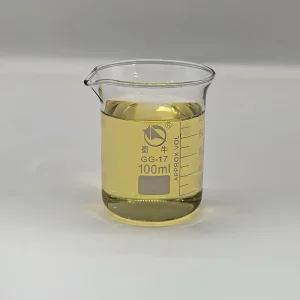
Electroplating zinc-nickel alloys directly onto aluminum presents notable electrochemical challenges. The vast difference in electrode potentials between active aluminum and noble nickel can lead to localized galvanic cells if the coating is not uniformly applied. Utilizing advanced chemistry systems such as the 6185 Alkaline Zinc-Nickel Plating process mitigates these concerns. By establishing a robust, uniform zincate diffusion barrier prior to electrodeposition, engineers can ensure excellent adhesion and dense coverage.
The trivalent black passivation stage—often achieved via specialized formulations like ZN-318 Trivalent Zinc-Nickel Passivation modified for black finishes—not only imparts a sleek, non-reflective appearance but also enhances the coating’s self-healing properties. Below is a comparative overview demonstrating why design engineers are choosing zinc-nickel over traditional finishes:
| Property Parameter | Traditional Zinc Plating | Cadmium Plating (Historical) | Trivalent Black Zinc-Nickel |
|---|---|---|---|
| Salt Spray Performance | 96 - 250 hours (Red Rust) | 500 - 1000 hours (White Rust control) | 1000 - 2000 hours (Without red rust) |
| Environmental Compliance | REACH Compliant (usually) | Highly toxic, restricted global use | Fully RoHS & REACH Compliant |
| Thermal Threshold | Up to 120°C | Up to 230°C (thermal degradation limits) | Excellent performance up to 200°C |
| Galvanic Compatibility | Poor when matched with carbon fiber | Excellent with aluminum | Excellent mitigation of galvanic corrosion |
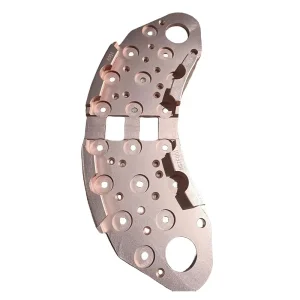
Applied on aluminum battery housings, cooling tubes, lightweight chassis components, and sub-frame assemblies where galvanic protection against copper/steel interfaces is critical.
Utilized on aluminum shell connectors, circular avionics adapters, and optical cable conduits to replace cadmium and withstand high-vibration, corrosive sea environments.
Specially deployed on 5G outdoor base station enclosures, heavy-duty antenna brackets, and transceiver bodies that demand long-term weatherability and aesthetic durability.
SUZHOU HIYIE CHEMICAL CO., LTD. has developed a comprehensive product portfolio that spans consumer electronics, communication equipment, the semiconductor industry, automotive hardware, craft gifts, and beyond. The company collaborates closely with multiple domestic and foreign chemical enterprises and academic institutions to maintain a dynamic mobile R&D center dedicated to resolving technical challenges in the surface finishing industry.
Since its establishment, Hiyie Chemical has set up research and development institutions in Wuhan and Shanghai. Our marketing network covers the Pearl River Delta, Yangtze River Delta, and Bohai Rim regions. Our specialized formulations have been widely adopted and approved by leading domestic and international enterprises including Foxconn Technology Group, Qinghai Salt Lake Group, Chint Group, Hongbao Group, Stanley Group, Shifeng Group, and others, earning the company a strong reputation and broad market reach.
Achieving high-adhesion black zinc-nickel plating on aluminum requires careful pretreatment control and electrochemical execution.
Removal of organic oils, residues, and surface contaminants without etching the aluminum.
Double-zincating process to remove oxides and replace them with a thin zinc layer.
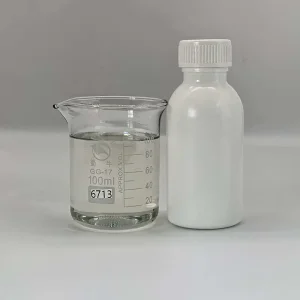
An optional mid-phosphorus electroless nickel layer (like HITEC EN 6713) to protect the base metal.
Co-deposition of Zn-Ni alloy (12-15% Ni) using alkaline bath chemistries.
Application of trivalent black passivation and sealants for maximum protection.
Traditional acid zinc-nickel plating solutions often struggle with throwing power, leaving deep recesses and internal threads under-plated. By employing specialized alkaline formulations like our 6185 Alkaline Zinc-Nickel Plating chemistry, operators can achieve consistent alloy distributions and layer thicknesses across complex geometries.
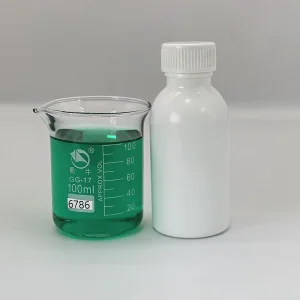
Furthermore, our mid-to-high phosphorus electroless nickel systems (such as the HITEC EN 6786 A/B/C High Phosphorus Electroless Nickel and the J0-1 Ultra-Low Phosphorus Electroless Nickel) provide critical base layers and barrier protection. These systems help chemical engineers design multi-layered coating stacks that meet the demanding specifications of the aerospace and electronics industries.
Delivering high-performance, environmentally friendly chemical solutions backed by engineering support.

We employ a skilled technical and sales team dedicated to meeting customer specifications and supporting electroplating processes.

Our flexible research and development mechanisms are structured to meet custom and technical chemistry requirements.

We focus on developing modern, environmentally responsible technologies designed for compliance and performance.

Our technical service team provides pre-sale, installation, and after-sale support to maintain bath stability.
Stay informed on our latest product innovations and company developments.

As we begin a new cycle, Hiyie Chemical remains focused on developing and delivering high-quality surface treatment formulations for our global partners.
Our engineering team has published a new guide on controlling carbonate accumulation in alkaline zinc-nickel electroplating baths.
Technical answers to key engineering inquiries regarding electroplating and corrosion protection.
Explore our full line of functional plating solutions designed for diverse industrial applications.
 HIYIE
HIYIE