Explore our elite portfolio of electroless nickel, acid copper, and functional trivalent zinc additives.
Chloride zinc plating—also known scientifically as acid chloride zinc electroplating—is an indispensable surface finishing methodology widely adopted to provide sacrificial corrosion resistance to carbon steel substrates. Operating at an acidic pH range of 4.8 to 5.8, this process utilizes either potassium chloride (KCl) or ammonium chloride (NH4Cl) electrolytes alongside zinc chloride (ZnCl2) to achieve high cathodic current efficiencies (typically 95% to 98%). Unlike its alkaline cyanide-free and cyanide-based counterparts, the chloride-based mechanism deposits metallic zinc directly with minimal co-deposition of hydrogen, virtually eliminating the risk of internal hydrogen embrittlement on high-tensile components.
The electrochemical efficiency of modern chloride zinc systems relies on precise control of surfactant and brightener carriers. In particular, the additives must maintain solubility at high bath temperatures to prevent turbidity (known as the "cloud point" phenomenon). High-performance systems, such as those engineered by Suzhou Hiyie Chemical, integrate advanced polyoxyethylene ether surfactants that extend the bath operating envelope up to 50°C. This advancement mitigates the typical burning of edge areas while maximizing overall bath longevity.
| Plating Property / Metric | Acid Potassium Chloride Zinc | Alkaline Cyanide-Free Zinc | Alkaline Zinc-Nickel Alloy |
|---|---|---|---|
| Cathodic Efficiency | 95% – 98% (High speed, lower energy costs) | 70% – 85% (Lower build-up rate) | 65% – 80% (Alloy deposition control) |
| Hydrogen Embrittlement | Extremely Low (Ideal for heat-treated steel) | Moderate to High (Baking required) | Moderate (Demands prompt de-embrittlement) |
| Throwing Power (Thickness) | Moderate (Depends on organic levellers) | Excellent (Uniform across complex parts) | Excellent (12-15% Ni co-deposition) |
| Brightener Stability | Vulnerable to Iron build-up (Requires treatment) | High tolerance to heavy metals | Very stable under complex chemistry |
| Salt Spray Resistance (Unpassivated) | Moderate (~48 hours to white rust) | Moderate (~48 hours to white rust) | Exceptional (250+ hours to white rust) |
In the current geopolitical and macroeconomic climate, global industrial procurement divisions—ranging from Tier 1 automotive suppliers to consumer electronics OEMs—face unprecedented pressures to balance environmental regulation compliance with chemical process performance. The transition away from Hexavalent Chromium (CrVI) formulations toward compliant Trivalent Chromium (CrIII) passivations, combined with stringent REACH and RoHS directives in Europe and North America, has completely redefined supplier qualification benchmarks.
When sourcing chloride zinc plating chemicals, industrial procurement managers prioritize bath longevity, high salt spray resistance, and reduced consumption of organic brighteners. Our products are formulated to meet these criteria, minimizing operational downtime caused by bath decomposition. Global buyers demand chemical suppliers that offer not only consistent bulk shipping but also deep analytical support. This includes services such as atomic absorption spectroscopy (AAS) and Hull Cell testing, which help pinpoint contamination before it impacts production line yields.
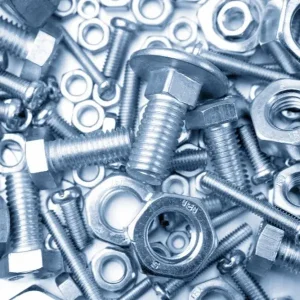
High-tensile bolts, chassis clips, and brackets demand robust protection against road salt and moisture. Our acid zinc formulations minimize hydrogen embrittlement while ensuring consistent thread tolerances.
For stamping parts used in smart grids and industrial switchgears, chloride zinc deposits provide a base that accepts passivations to meet strict outdoor weathering regulations.
Internal brackets, shielding cans, and frame connectors require high aesthetic brightness and solderability. Ultra-bright acid zinc processes deliver a mirror-like finish with low deposition stress.
The global electroplating additives supply chain is undergoing a fundamental structural transition. Suzhou Hiyie Chemical represents the cutting edge of China's Factory 4.0 chemical manufacturing. Our manufacturing plants rely on closed-loop, automated synthesis controls that standardize chemical purity. By employing automated raw-material dispensing, inline gas chromatography monitoring, and real-time product characterization, we maintain batch-to-batch chemical variance below 0.5%, far exceeding general industry standards.
This level of control ensures high performance for high-volume automated plating operations. Fluctuations in carrier or brightener concentrations can result in uneven metal deposition or elevated internal stress. At Suzhou Hiyie Chemical, our Shanghai and Wuhan R&D facilities focus on synthesizing advanced organic intermediates. This allows us to supply global markets without relying on third-party chemical suppliers. We offer complete supply chain transparency, starting with raw petrochemical and organic feedstock processing and continuing through to final packaging.
Our logistics and distribution networks are structured to protect against supply disruptions. By maintaining strategic reserve depots in the Pearl River Delta, Yangtze River Delta, and Bohai Rim, we ensure reliable overland transport and fast international freight dispatches. Whether shipping to Southeast Asia, Europe, or the Americas, our distribution framework prevents downtime for your electroplating lines.
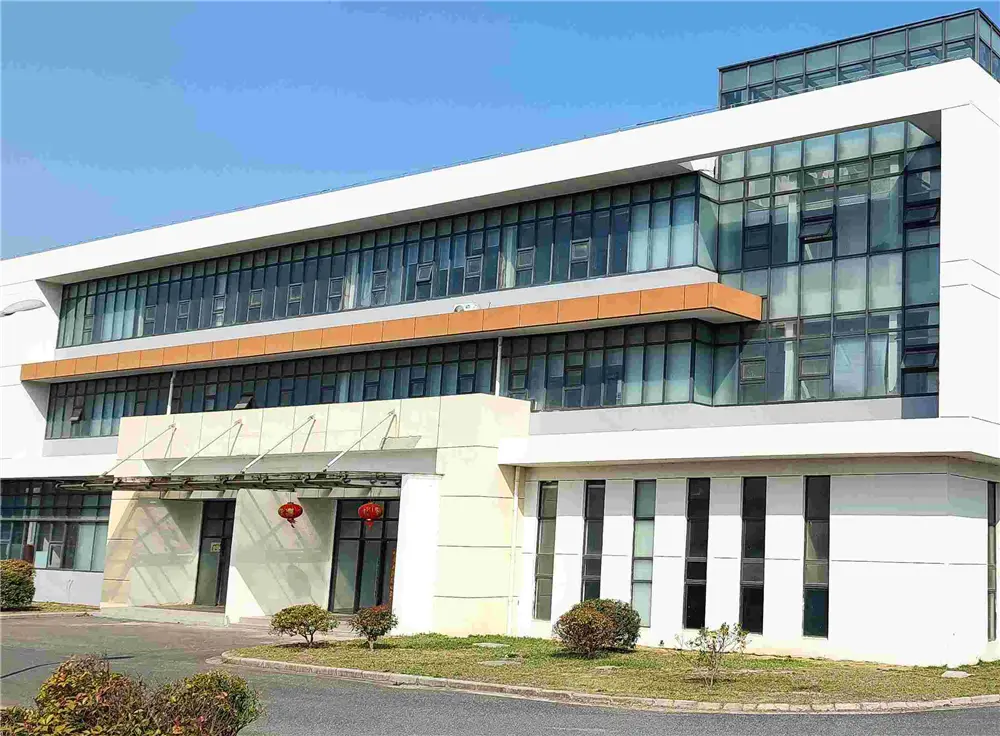
A Professional Partner in High-End Metal Finishing Formulations
SUZHOU HIYIE CHEMICAL CO., LTD delivers a product portfolio that spans consumer electronics, communication equipment, semiconductor industries, automotive hardware, craft gifts, and beyond. Collaborating with multiple domestic and international chemical corporations and universities, we operate a mobile R&D center dedicated to solving critical surface finishing challenges.
Since our establishment, we have set up R&D institutions in Wuhan and Shanghai. Our extensive marketing and service network covers the Pearl River Delta, Yangtze River Delta, and Bohai Rim regions. Our products are widely used by leading global enterprises, including Foxconn Technology Group, Qinghai Salt Lake Group, Chint Group, Hongbao Group, Stanley Group, Shifeng Group, and many others, establishing Hiyie as a trusted brand in high-performance surface chemicals.

We source top-tier technical and service personnel to support our customers, ensuring seamless plant integrations and process optimization.

Our collaborative research structures allow us to adapt formulations to meet customized specifications, including bath temperature limits and high throw requirements.

Our solutions focus on eco-friendly, zero-cyanide, low-VOC chemical systems that help you meet environmental regulations without sacrificing plating performance.

Our sales and engineering teams offer rapid post-implementation support, including chemical analysis, Hull cell diagnostics, and bath rejuvenation advice.
Answers to common engineering and sourcing questions about modern chloride zinc processes.
Latest corporate announcements and operational updates from Suzhou Hiyie Chemical.

As we welcome the new year, Suzhou Hiyie Chemical extends warm greetings to our global partners. We remain focused on expanding R&D innovations and building resilient supply chains to serve your surface finishing needs.
Discover our comprehensive collection of trivalent passivations and high-performance alloy chemistries.
 HIYIE
HIYIE