Engineered for extreme performance, precise layer adhesion, and exceptional corrosion resistance.
An authoritative analysis of chemical interfaces, metallurgical structures, and clean surface engineering.
In modern industrial applications, "chrome coating" refers to a sophisticated layered stack designed to protect underlying substrates. Traditionally, hexavalent chromium (Cr6+) baths dominated industrial electroplating due to their brilliant aesthetics and hard wear profiles. However, toxicological and environmental hazards have driven a massive structural migration toward Trivalent Chromium (Cr3+) electroplating systems and innovative substitute alloy technologies, such as Electroless Nickel Plating (ENP) and Zinc-Nickel alloy electrodeposition.
This technical transition demands superior chemical engineering. Our process focuses on formulating specific structural intermediate layers. By optimizing semi-bright nickel layers, like FS100 Semi-Bright Nickel, and bright nickel undercoats, like 31685 Rapid Brightening Nickel Plating, we establish a robust structural framework. These intermediary layers prevent galvanic coupling, provide ductility to release residual mechanical stresses, and enhance the overall corrosion resistance of subsequent thin chrome passes.
Electroless Nickel Plating offers a highly uniform barrier layer even on complex components with internal geometries, resolving the "dog-boning" edge build-up issues common in traditional electrolytic chrome plating. The select phosphorus concentration in the chemical formula determines its performance properties:
A complete selection of advanced functional surface treatments, environmental passivations, and plating additives.
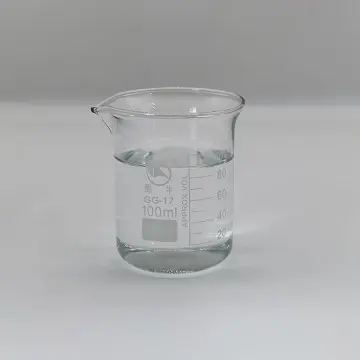
Sulfur-free electroplating formulation offering outstanding ductility and sub-layer defense.
Technical Sheet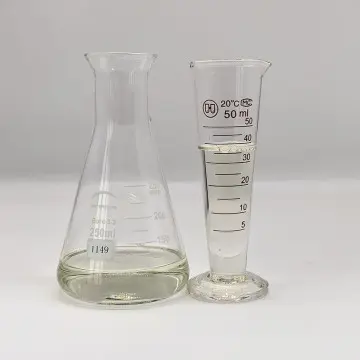
High brightness bath designed for mass hardware barrel operations with fast leveling speeds.
Technical Sheet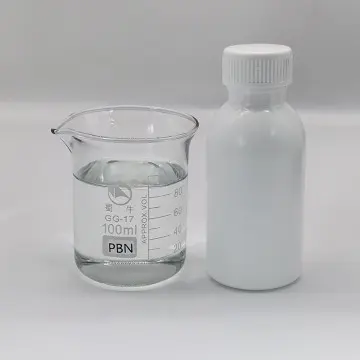
Creates a matte satin chrome look, reducing glare while maintaining touch resistance.
Technical Sheet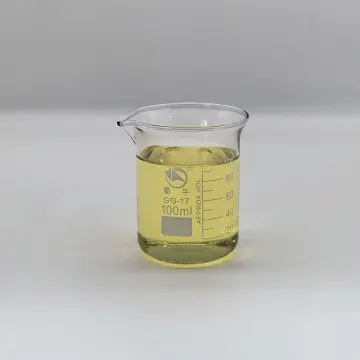
Accelerated deposition rate, delivering high specular brightness and excellent layer thickness uniformity.
Technical Sheet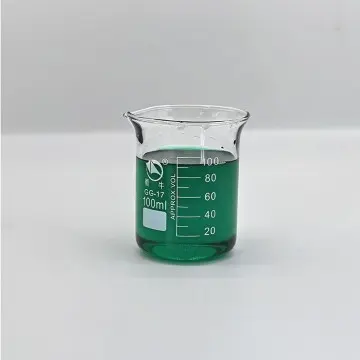
Delivers maximum deposit hardness and wear resistance, matching hard chrome properties.
Technical Sheet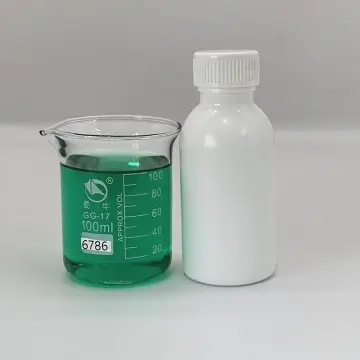
Provides a highly corrosion-resistant, amorphous, non-magnetic barrier for complex chemical equipment.
Technical Sheet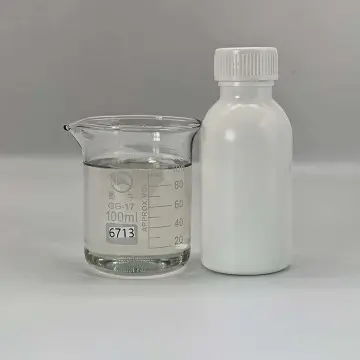
Versatile formulation that balances wear properties with reliable mechanical performance.
Technical Sheet
Provides a sacrificial alloy deposit containing 12-16% nickel, ideal for high salt spray resistance.
Technical Sheet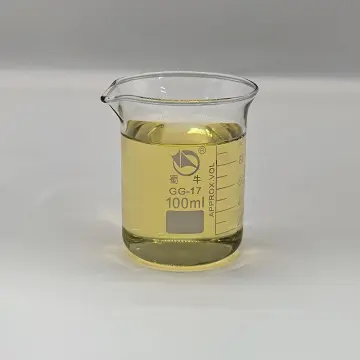
An environmentally friendly zinc process that eliminates cyanide safety hazards.
Technical Sheet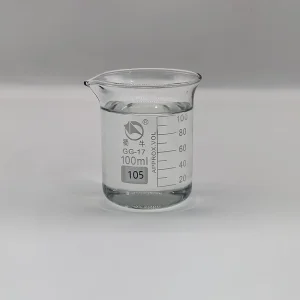
Specialty organic wetting agent that reduces misting and improves current density range.
Technical SheetThe global electroplating industry relies on Chinese manufacturers for critical raw materials, finished coatings, and chemical formulation development. This dominance is built on several key factors:
Our operations in the Yangtze River Delta and Wuhan regions allow us to collaborate directly with upstream raw material refineries and downstream application laboratories. This integration ensures a stable supply chain and quick turnarounds on customized chemical formulations.
Unlike Western suppliers bound to standard catalogs, Chinese manufacturers design custom chemical solutions. By maintaining flexible production lines and dedicated R&D facilities, we can adjust bath configurations to match specific hardness, thickness, and color requirements.
China's strict environmental regulations have prompted local factories to upgrade their facilities. We utilize wastewater treatment systems, fully closed plating lines, and zero-cyanide, low-VOC chemistries to comply with international standards.
Providing engineered coatings that meet the technical requirements of key global industries.
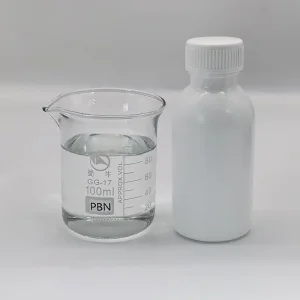
Wear-resistant coatings used on metal frames, hinges, and connectors in high-use personal electronics. Our PBN Pearl Nickel combined with FS100 Semi-Bright Nickel provides a durable satin finish that withstands wear and cosmetic damage.
Critical engine components, chassis bolts, fasteners, and brake systems require robust wear protection. Utilizing 6185 Alkaline Zinc-Nickel Plating followed by the 216 Iridescent Passivation delivers over 1000 hours of neutral salt spray testing without red rust.
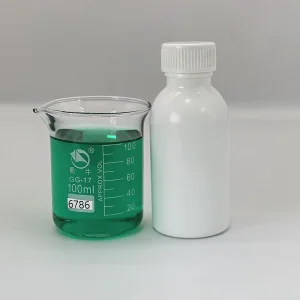
Processing chambers require high cleanliness and non-magnetic materials. High-Phosphorus systems like HITEC EN 6786 prevent outgassing in vacuum conditions and resist chemical corrosion from cleaning agents.
Antenna systems, connectors, and heavy housings require thin, conductive, and weather-resistant coatings. Solutions like 8315 Alkaline Cyanide-free Bright Zinc deliver clean coatings with high throwing power in complex cavities.
A professional manufacturer of organic chemical products and specialized electroplating solutions.

Our sales, engineering, and support teams coordinate closely to address technical requirements and resolve complex application challenges.

Operating R&D institutions in Wuhan and Shanghai, we customize bath additives to meet targeted performance and regulatory requirements.

Focused on developing eco-friendly formulations, including cyanide-free, hexavalent-free, and PFAS-free solutions.

Our technical staff assists from initial product selection through on-site bath setup, monitoring, and post-sales optimization.
SUZHOU HIYIE CHEMICAL Co., LTD partners with domestic and international enterprises to resolve challenges across consumer electronics, semiconductor, communication equipment, and automotive industries. Our solutions are utilized by organizations including Foxconn Technology Group, Qinghai Salt Lake Group, Chint Group, Hongbao Group, Stanley Group, and Shifeng Group.
Key compliance considerations, chemical control measures, and international verification criteria.
Procuring metal finishing chemicals internationally requires strict adherence to regulatory standards. In the European Union, the United States, and Japan, strict chemical rules dictate which additives can be used. Key criteria include:
Traditional chromium electroplating baths rely on fluorinated wetting agents to control toxic hexavalent mist. Because these surfactants fall under the PFAS category, they are subject to strict restrictions. Formulating biodegradable alternatives, such as Chrome Plating Carrier 105, allows companies to maintain bath efficiency while complying with RoHS and REACH regulations.
Automotive and aerospace specifications require parts to transition away from yellow hexavalent passivations. Utilizing trivalent passivations, such as 216 High Corrosion-resistant Iridescent Trivalent Zinc Passivation or ZN-318 Blue Trivalent Zinc-Nickel Passivation, helps manufacturers meet environmental targets without sacrificing corrosion resistance.
Cyanide electroplating carries significant occupational health hazards and wastewater treatment expenses. Transitioning to cyanide-free formulations, such as 8315 Alkaline Cyanide-free Bright Zinc Plating and 372 Alkaline Cyanide-Free Copper Plating, enables plating facilities to lower environmental overhead while maintaining bath stability.
Keep up with the latest technical developments, trade insights, and announcements from our global offices.

As we welcome the new year, Suzhou Hiyie Chemical continues to focus on technical expansion and sustainable product development. Our R&D centers in Wuhan and Shanghai are currently refining new trivalent chromium alternatives and PFAS-free mist suppressants to support our international partners through the upcoming year.
Answers to common technical, regulatory, and mechanical questions regarding electroplating processes.
Providing stable bath additives, passivations, and specialty copper, zinc, and nickel formulations.
 HIYIE
HIYIE