Explore our primary range of electroplating additives, copper brighteners, and functional organic chemical solutions engineered for absolute bath stability and uniform deposit density.
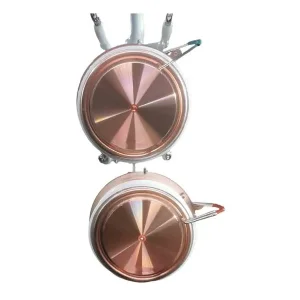
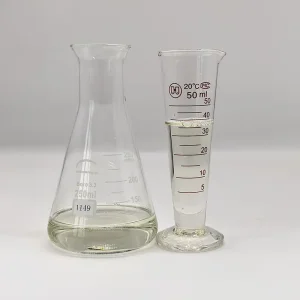
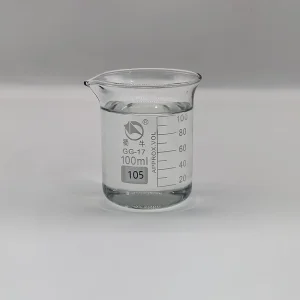
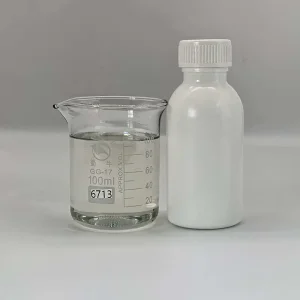
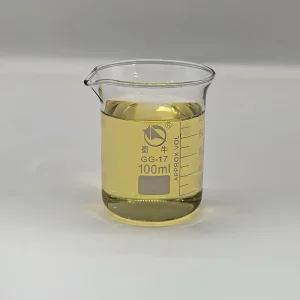
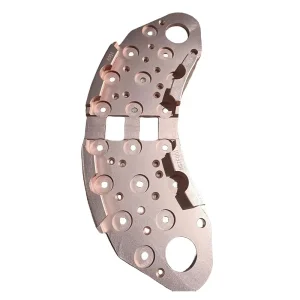
In modern electrodeposition and chemical surface finishing, copper brighteners play an irreplaceable role. As the global microelectronics and semiconductor manufacturing industries advance towards sub-micron dimensions, the requirement for high-purity, structurally sound copper deposits is peaking. A professional Copper Brightener Supplier must deliver formulations that address the fundamental electrochemical dynamics of the process—ensuring even metal distribution, rapid polarization, and efficient leveling.
Acid copper brighteners are complex organic formulations containing carriers (typically high molecular weight polyethers), brighteners/accelerators (such as SPS - bis-(3-sulfopropyl)-disulfide, or MPS), and levelers (cationic nitrogen-bearing compounds). Their interaction is crucial for suppressing copper electrodeposition at high-current-density peaks while accelerating deposition in sub-micron blind vias or deep recesses. The synergy among these components ensures high reflectivity, low stress, and ductile microstructures.
Our brightener systems optimize the local cathode potential, improving the crystal structure from coarse dendritic arrays to fine, highly-oriented (111) lattice alignments. This yields exceptional thermal shock reliability for multilayer HDI PCBs and electronic systems.
Replacing hazardous substances like free cyanide in copper processes requires advanced organic chemistry. Formulations like the 372 Alkaline Cyanide-Free Copper Plating prove that clean technology can achieve matching ductility, throwing power, and adhesion.
Understanding the electrochemical parameters is vital for process engineers optimizing barrel or rack plating lines. The table below represents standard processing windows for industrial acid copper systems integrated with our modern organic brightener components.
| Plating Parameter | High-Speed Acid Copper (e.g., 672) | Cyanide-Free Alkaline Copper (e.g., 372) | Conventional Cyanide Copper Plating |
|---|---|---|---|
| Cathode Current Density | 1.5 – 6.0 A/dm² | 0.5 – 2.5 A/dm² | 1.0 – 4.0 A/dm² |
| Operating Temperature | 20°C – 32°C | 40°C – 60°C | 50°C – 70°C |
| pH Range | < 1.0 (Highly Acidic) | 9.0 – 10.5 (Mild Alkaline) | 11.5 – 13.0 (Strongly Alkaline) |
| Leveling Power | Excellent (> 80% on micro-grooves) | Moderate (Excellent adhesion layer) | Poor (Mainly thin strike layers) |
| Environmental Aspect | Biodegradable Organics | Cyanide-Free, Low Toxicity | Highly Toxic, Complex Waste Treatment |
Whether catering to high-density interconnect (HDI) PCBs, electronic semiconductor leads, decorative consumer electronics, or high-wear automotive hardware, the chemical bath's capability is determined by the organic additives. By managing the diffusion-controlled adsorption of the leveler and the acceleration-controlled properties of the brighteners, our systems allow plating operators to run higher current densities without initiating burning or nodulation.
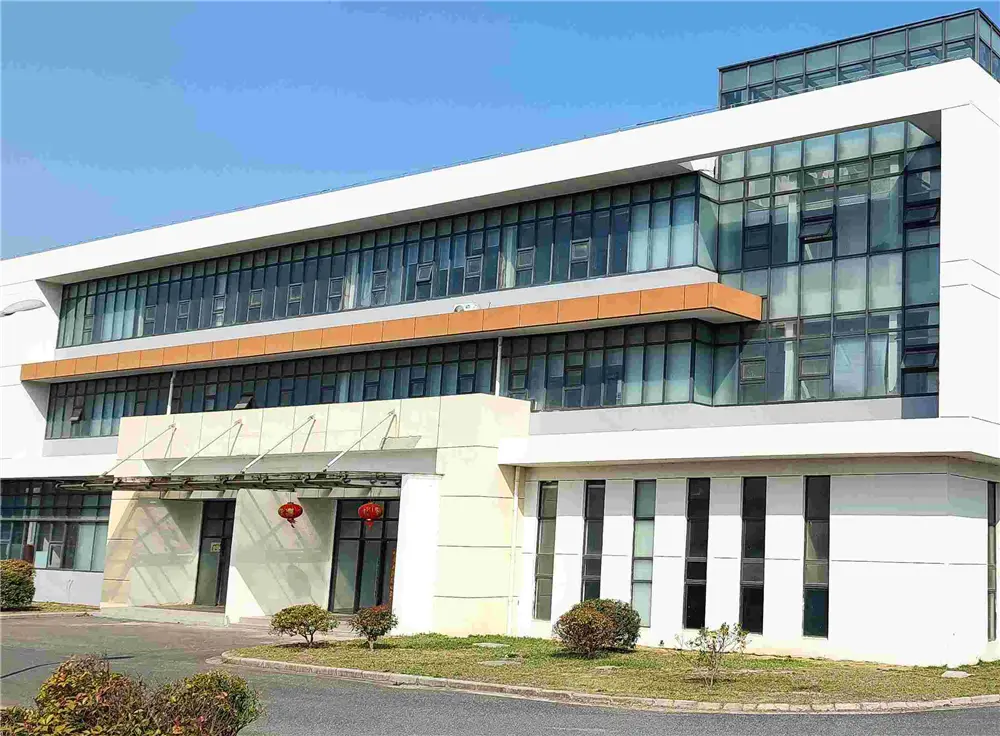
SUZHOU HIYIE CHEMICAL CO., LTD. is an established developer and manufacturer of specialty electroplating chemicals and organic surface treatment additives. Our extensive product portfolio serves high-precision industries including consumer electronics, telecommunication infrastructure, automotive hardware, craft manufacturing, and the semiconductor supply chain.
To address the industry's complex technical challenges, Hiyie Chemical operates R&D facilities in Wuhan and Shanghai. We also collaborate with domestic and international chemical enterprises and research universities. Our marketing and technical service network covers key industrial regions in China, including the Pearl River Delta, Yangtze River Delta, and the Bohai Rim.
Our high-performance solutions are trusted by leading global enterprises, including Foxconn Technology Group, Qinghai Salt Lake Group, Chint Group, Hongbao Group, Stanley Group, Shifeng Group, and others. We provide customized chemistry systems that meet strict technical, commercial, and environmental requirements.

Our customer support team consists of experienced electrochemists and process engineers who assist with bath setup, parameter control, and troubleshooting.

Our flexible R&D program allows us to formulate custom additives and adapt operating windows to meet unique substrate requirements.

We focus on developing green surface finishing products, including cyanide-free copper plating and trivalent zinc passivations.

We offer comprehensive support from product selection and bath design to routine analysis and maintenance.
Complementing our copper brightener systems, we supply a range of functional alloy plating additives, passivation chemicals, and electroless nickel systems for high-reliability applications.
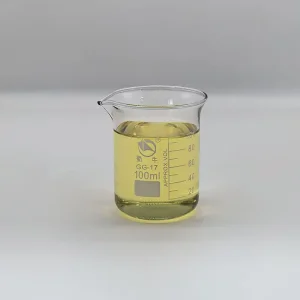
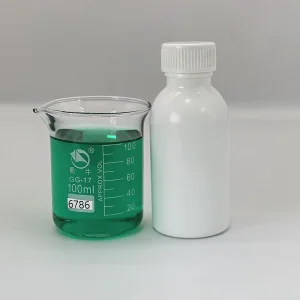
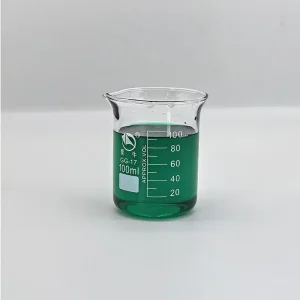
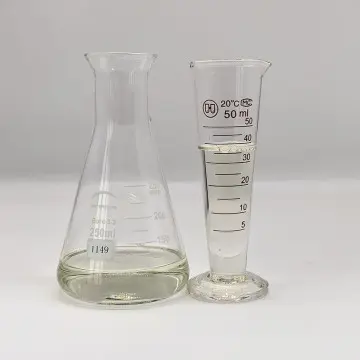
Surface treatment chemistry is shifting toward high sustainability and tight control of organic wastewater pollutants (TOC). Our chemical synthesis roadmap prioritizes biodegradable leveling compounds and non-toxic wetting agents that reduce environmental impact without sacrificing plating performance.
Optimizing polyether carriers and thiol accelerators to control cathode polarization, ensuring uniform metal distribution in high-density PCB vias.
Expanding cyanide-free alkaline copper systems and chromium-free passivations to meet global environmental regulations.
Designing ultra-pure organic additives for sub-10nm Through-Silicon Via (TSV) filling and high-speed wafer metalization.
To ensure stable global delivery, our manufacturing processes comply with ISO 9001:2015 quality standards. Each batch of organic additives undergoes rigorous Hull Cell testing, cyclic voltammetry stripping (CVS) analysis, and high-performance liquid chromatography (HPLC) to verify chemical composition and performance before shipment.
Find answers to common questions about bath formulation, copper brightener maintenance, and process optimization.
 HIYIE
HIYIE