Engineered for high-durability surface coatings, exceptional throw power, and superior corrosion resistance across global supply chains.
How modern electrochemical coatings address the multibillion-dollar challenge of atmospheric and galvanic corrosion.
Electrodeposited zinc plating represents the foundational benchmark of industrial corrosion mitigation. By applying a microscopic layer of zinc onto iron and steel substrates, the underlying metal is shielded through sacrificial protection: zinc corrodes preferentially, protecting the critical steel substrate from atmospheric elements. Globally, the demand for electrodeposited zinc and zinc-nickel alloy coatings has surged, driven primarily by tightening environmental standards and higher durability requirements in heavy industries.
Today, the industrial coating landscape is shifting from traditional, hazardous chemical paths toward cleaner, more robust alternatives. Specifically, the phase-out of hexavalent chromium (Cr6+) and the rise of restrictive environmental directives such as RoHS, REACH, and ELV have catalyzed a major transition. Advanced alkaline cyanide-free zinc formulations and high-performance trivalent chromate passivations are now standard requirements for automotive manufacturers, industrial equipment OEMs, and global infrastructure projects.
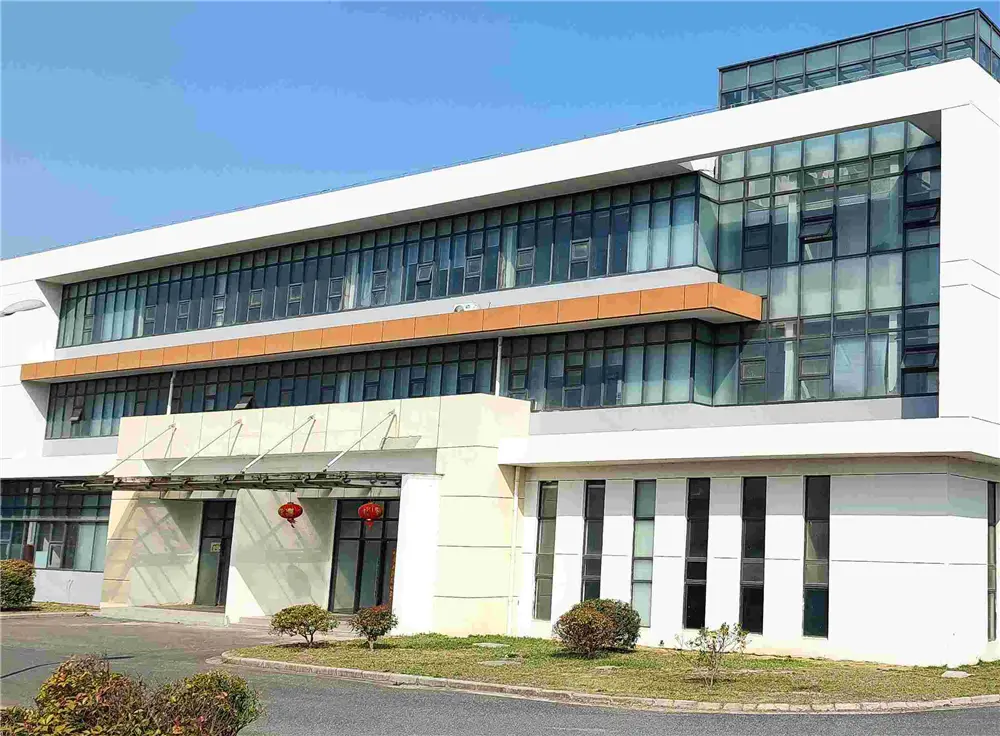
SUZHOU HIYIE CHEMICAL Co.,LTD has built a comprehensive product portfolio that spans consumer electronics, communication equipment, the semiconductor industry, automotive hardware, craft gifts, and beyond. Through collaborative research with leading chemical corporations and universities, we have established a highly flexible mobile R&D center dedicated to overcoming the technical bottlenecks in the electroplating and surface finishing industry.
Since our founding, Hiyie Chemical has set up specialized R&D hubs in Wuhan and Shanghai. Our extensive marketing and technical network spans the Pearl River Delta, Yangtze River Delta, and Bohai Rim regions. Our products have earned deep market trust and are widely utilized by globally recognized manufacturers, including Foxconn Technology Group, Qinghai Salt Lake Group, Chint Group, Hongbao Group, Stanley Group, Shifeng Group, and many others.
Learn More About Our TeamA specialized range of surface treaters, carriers, and passivators categorized by their electro-chemical compositions.
Premium solutions for bright, semi-bright, and leveling nickel layers. Includes high-efficiency organic brighteners and stabilizers.
Autocatalytic nickel chemical technologies offering uniform deposition depth on complex substrates regardless of current density distribution.
Modern, high-corrosion-resistant alloy plating technologies designed to withstand up to 1000+ hours in salt spray testing environments.
Four pillars of industry excellence that guarantee robust performance, technological leadership, and reliable delivery.

We continually recruit and train top-tier chemists, technical sales representatives, and service technicians to provide outstanding, long-term support for our partners.

Our highly responsive R&D infrastructure allows us to formulate custom variations to meet specific operational parameters, environmental limits, and substrate profiles.

We develop high-performance surface treatment chemistries utilizing advanced, non-toxic, and cyanide-free formulations that align with global green directives.

From pre-sale bath evaluations and custom integration testing to ongoing maintenance support, our team ensures your plating operations run smoothly and efficiently.
Alkaline cyanide-free zinc plating (e.g., our 8315 Alkaline Cyanide-free Bright Zinc Plating) has become the preferred option for complex stampings and automotive components. Unlike acid baths, alkaline chemistry offers exceptional "throwing power." This means the electroplating bath deposits zinc at a highly uniform thickness across both high-current density areas (outer edges) and low-current density areas (internal recesses and deep channels).
By eliminating toxic sodium cyanide, we not only minimize wastewater treatment expenses but also ensure safer working conditions for operators. Modern complexing agents and organic brighteners help maintain an optimal deposition rate while producing a brilliant, highly receptive metallic layer ready for subsequent trivalent passivates.
For applications subjected to severe environments—such as marine hardware or under-hood automotive brackets—pure zinc coatings may not provide sufficient protection. Our 6185 Alkaline Zinc-Nickel Plating deposits a uniform alloy layer containing 12-15% nickel. This structural arrangement offers up to ten times the corrosion resistance of standard zinc plating.
The alloy forms a highly stable barrier that resists galvanic corrosion, especially when in direct contact with aluminum components. Additionally, the inclusion of nickel significantly raises the hardness of the coated surface, providing excellent resistance to mechanical wear and abrasion.
Navigating the transition toward smart, low-carbon, and chrome-free surface finishing technologies.
The transition from hexavalent chromium (Cr6+) to trivalent chromium (Cr3+) represents a major milestone in industrial chemistry. While hexavalent chromium offered excellent self-healing corrosion resistance, its high toxicity and carcinogenicity led to global bans. Suzhou Hiyie has successfully formulated highly active trivalent passivates—such as the 216 High Corrosion-Resistant Iridescent Trivalent Zinc Passivation—which match the performance of hexavalent alternatives.
To further enhance corrosion resistance, our research team focuses on integrating nanosilica sealers. These post-treatment sealers fill micro-cracks within the trivalent passivate layer, creating an impermeable barrier against corrosive media. Additionally, these sealers allow manufacturers to control friction coefficients, ensuring consistent torque performance on automated assembly lines.
Customized chemical systems tailored to the performance demands of various industrial sectors.
Fasteners, brake calipers, fuel rails, and chassis components require long-term corrosion resistance and precise control over the friction coefficient. Our alkaline zinc-nickel alloy systems deliver over 1000 hours of salt spray testing without red rust, helping OEMs prevent galvanic corrosion between steel and aluminum assemblies.
Precision shielding components, heat sinks, and brackets demand exceptional electrical conductivity and thin, uniform coatings. Our electroless nickel line (e.g., HITEC EN series) provides uniform thickness and excellent corrosion resistance on complex electronic parts.
Electrical distribution boxes, steel supports, and transmission line brackets are constantly exposed to the elements. Our high-build trivalent passivation systems combined with durable zinc deposits offer excellent long-term weatherability in industrial and marine environments.
Recent developments and announcements from Suzhou Hiyie Chemical.
"The Snake ushers in blessings as we bid the old year farewell; The Horse brings spring as we embark on a new journey." As we start this new chapter, Suzhou Hiyie Chemical remains committed to advancing eco-friendly electroplating technologies, improving bath performance, and supporting our partners across the globe.
As an industry-leading surface finishing manufacturer, we continuously optimize our product catalog to meet the global demand for sustainable production. By eliminating cyanides and chromium-6 from our main formulations, we help metal finishers minimize environmental impacts while meeting rigorous performance specifications.
Technical guidance and answers to common questions about selecting chemical baths, passivating, and controlling quality.
Acid zinc systems (primarily based on ammonium chloride or potassium chloride baths) offer high cathode efficiency (95-98%) and produce exceptional brightness, but they provide poor "throwing power" (uniformity of deposition thickness). Alkaline cyanide-free zinc systems (such as our 8315 formulation) have lower cathode efficiency (70-85%) but provide excellent thickness distribution across complex parts, making them ideal for automotive components, fasteners, and parts with deep recesses.
Trivalent passivation (using products like ZN-318 or 216) involves dipping the freshly plated zinc layer into an acidic solution containing trivalent chromium salts and active fluorides or nitrates. This reaction dissolves a small amount of zinc, initiating a local pH increase that deposits a thin, protective chromium-zinc hydroxide film. This film prevents moisture and oxygen from reacting with the zinc, delaying the formation of zinc oxide (white rust).
Hydrogen embrittlement occurs when atomic hydrogen is absorbed by high-strength steel (typically tensile strengths above 1000 MPa) during acid pickling and electrodeposition. To prevent brittle failure, components must undergo a hydrogen relief baking process (typically at 190°C to 220°C for 4 to 24 hours depending on material class) immediately after plating and before applying the conversion passivator.
Alkaline zinc-nickel plating deposits a layer containing 12-15% nickel, which provides much greater corrosion protection (resisting over 1000 hours of neutral salt spray without red rust). It also offers higher thermal stability (up to 200°C), better wear resistance, and reduces galvanic corrosion when fasteners are joined with aluminum components.
Sealers fill microscopic pores and cracks that can develop in the passivate film during dehydration. Applying a sealer improves corrosion resistance, helps maintain consistent friction properties (critical for threaded fasteners), and prevents damage to the underlying coating during storage, shipping, and assembly.
Explore our high-purity process chemicals, brighteners, and conversion coatings designed to maximize electroplating efficiency.
 HIYIE
HIYIE