Explore our advanced molecular formulations engineered for high-speed bright deposition, structural integrity, and exceptional levelling performance.
In-depth insights into organic additive coordination, interfacial electrochemistry, and micro-defect mitigation in advanced electrodeposition.
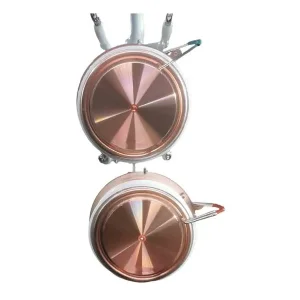
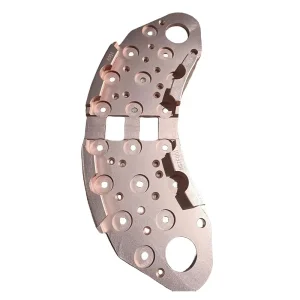
Electroforming is a highly specialized metal fabrication process where micro-level components are built layer-by-layer through electrodeposition onto a mandrel or mold. Unlike conventional electroplating, where coatings are usually thin aesthetic or protective barriers, electroforming requires the structural deposition of thick, stress-free metal coatings. The molecular science of electroforming brighteners is central to managing this process.
Brighteners alter the electrocrystallization kinetics by selectively adsorbing onto high-current-density peaks of the cathode, polarizing the interface, and promoting lateral grain growth over vertical dendrite propagation. This molecular engineering produces a micro-crystalline deposit that exhibits pristine optical brightness, superior levelness, and low internal stress.
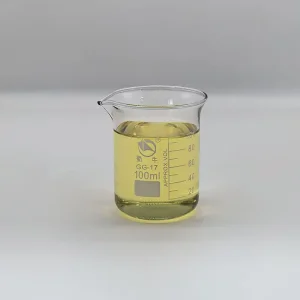
High internal stress causes thin mandrels to warp, curl, or peel off during deposition. Our next-generation organic electroforming additives, like those in the FS100 Semi-Bright Nickel Plating range, incorporate active stress-controlling sulfone derivatives that align the crystalline lattice, bringing internal stress values close to zero. This ensures excellent dimensional repeatability for high-aspect-ratio micro-optics and semiconductor tools.
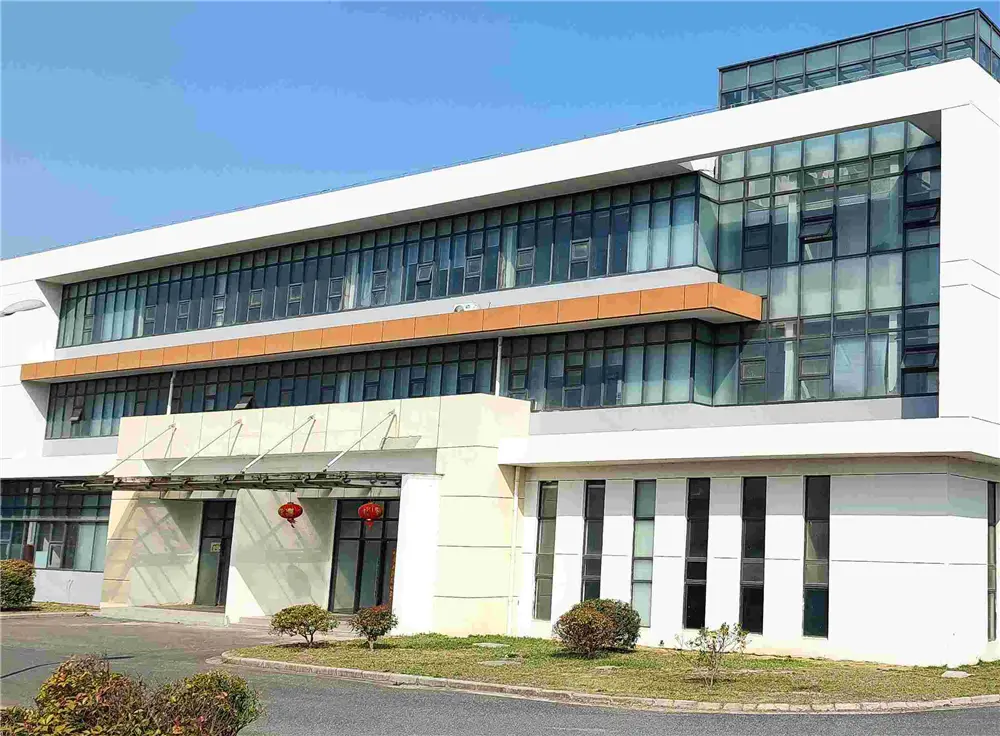
SUZHOU HIYIE CHEMICAL Co., LTD. is a leading manufacturer of organic chemicals and high-performance electrodeposition additives. Our product portfolio spans consumer electronics, communications, semiconductors, automotive hardware, craft gifts, and precision tools.
To address complex industry challenges, we established a mobile R&D network in partnership with domestic and international chemical companies and universities. We operate R&D centers in Shanghai and Wuhan, supported by a marketing and technical network that covers the Yangtze River Delta, the Pearl River Delta, and the Bohai Rim region.
Our solutions are recognized and used by global industry leaders, including Foxconn Technology Group, Qinghai Salt Lake Group, Chint Group, Hongbao Group, Stanley Group, and Shifeng Group. This broad adoption reflects our commitment to quality, batch-to-batch consistency, and customer service.
How modern precision industries utilize electroforming brighteners to achieve structural excellence and micro-scale geometry.
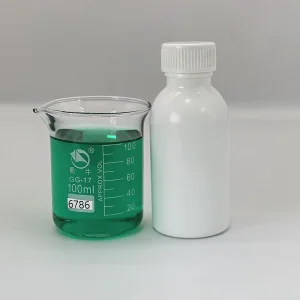
In MEMS (Micro-Electro-Mechanical Systems) manufacturing, micro-electroformed structures require precise dimensions with deviations under 0.1 microns. Our copper and nickel electroforming additives enable void-free filling in deep micro-vias and high-aspect-ratio cavities. Additives like the 672 High-Speed Bright Acid Copper Plating system prevent organic occlusion within the metal lattice, ensuring low resistance and high structural reliability.
Optical lenses, reflector shields, and micro-prisms are produced using nickel electroformed molds. Surface roughness directly dictates optical transmission properties; any haze or wave-like pattern ruins the mold. By utilizing organic levelling chemicals like the FS100 Semi-Bright Nickel Plating additive, surface roughness (Ra) values of less than 5 nanometers are consistently achieved, eliminating the need for expensive post-deposition mechanical polishing.
Automotive emblems and light reflectors require durable environmental protection. High-end trim elements depend on zinc-nickel systems like the 6185 Alkaline Zinc-Nickel Plating and high-performance passivation coatings to withstand salt-spray testing for over 1000 hours without red rust. The result is a long-lasting, brilliant finish that meets strict global automotive standards.
Our operational capabilities are built around technical innovation, stringent quality management, and responsive technical support.

We recruit experienced sales engineers and field chemists to provide hands-on support and process audits for your operations.

Our agile R&D team can customize formulations to meet specific technical requirements or unique substrate specifications.

We focus on developing sustainable chemistry, including trivalent chromium and cyanide-free electrodeposition systems.

Our dedicated service teams assist with bath analysis, line set-up, and ongoing technical troubleshooting.
Our commitment to continuous innovation in environmental compliance, automation, and molecular precision.
Developing next-generation sulfamate nickel baths that eliminate boric acid and cobalt buffers to align with tightening REACH regulations.
Expanding our non-toxic pyrophosphate and organic complex copper systems (such as the 372 series) to offer clean, high-performance alternatives to traditional cyanide baths.
Introducing electrochemical sensor integration to enable real-time tracking of organic additive consumption in high-volume production lines.
Technical answers to common questions about bath maintenance, additive consumption, and troubleshooting.
Stay informed about our latest corporate events, seasonal activities, and technical developments.

As we bid farewell to the old year and welcome the Year of the Snake, SUZHOU HIYIE CHEMICAL remains committed to progress and collaboration. We are eager to start this new journey with our team and clients, working together to achieve new goals.
Complete your chemical configuration with our high-purity, environmentally compliant process formulations.

 HIYIE
HIYIE