Explore our top-tier electroless and electrolytic formulations engineered for wear resistance, high corrosion protection, and strict dimensional control.
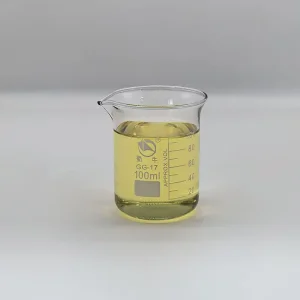
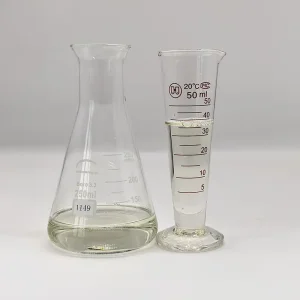
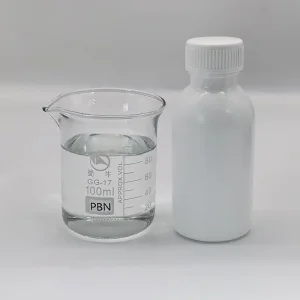
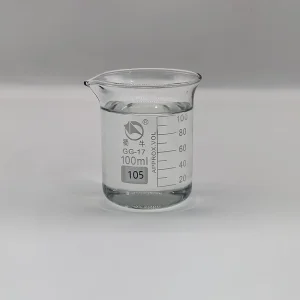
The global demand for Electroless Nickel Plating (ENP) technologies continues to expand at a compound annual growth rate (CAGR), fueled by the need for advanced surface coatings in challenging engineering environments. Unlike traditional electrolytic deposition, electroless nickel plating operates via an autocatalytic chemical reaction. This deposits a highly uniform nickel-phosphorus alloy coating across complex geometries, deep cavities, and blind holes, rendering it indispensable for precision manufacturing.
Today, key industrial sectors such as aerospace, automotive electronics, subsea oil and gas extraction, and advanced semiconductor manufacturing rely on ENP to prevent premature component failure. Regionally, the market is shifting toward eco-conscious formulations. The European Union's REACH directives and global RoHS regulations have forced manufacturers to phase out legacy heavy metal stabilizers (like lead and cadmium), driving search demand for compliant, next-generation solutions such as our HITEC EN series.
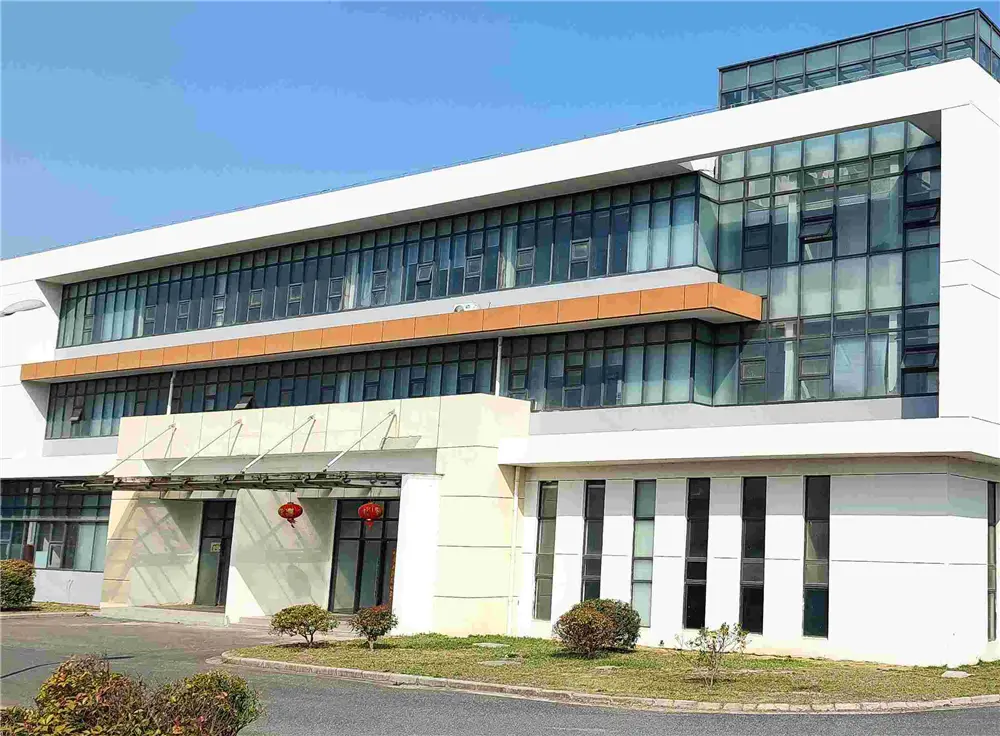
Electroless nickel deposits are categorized by their phosphorus weight percent. Each type provides specific mechanical, physical, and corrosion properties tailored to different applications.
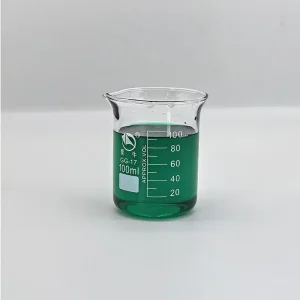
Characterized by high crystalline structure and exceptional microhardness. As-deposited low-phosphorus coatings yield hardness ratings of up to 700 HV0.1, increasing to 950+ HV0.1 after heat treatment. This offers superior wear resistance in highly alkaline, abrasive environments, making the J0-1 Ultra-Low Phosphorus formula ideal for chemical pumps and oilfield valves.
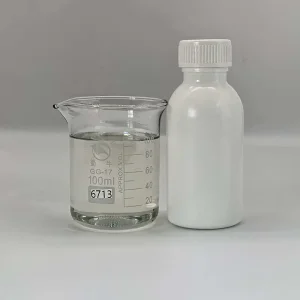
The industry standard for general engineering applications. Balancing speed, aesthetic shine, and mechanical protection, medium phosphorus coatings like the HITEC EN 6713 A/B/C line provide moderate corrosion protection alongside solid wear resistance. These deposits are commonly used on automotive transmission gear components, machinery shafts, and consumer electronics casings.
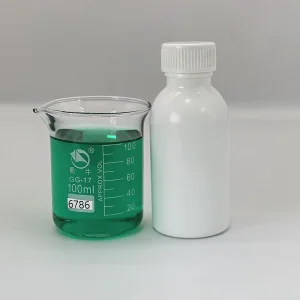
Completely amorphous (non-crystalline) structure that acts as an exceptional barrier coating against aggressive acid attacks. High phosphorus coatings like HITEC EN 6786 A/B/C exhibit non-magnetic characteristics (ideal for electronic housing shielding) and withstand over 1,000 hours of salt spray tests, which is key for subsea equipment and marine operations.
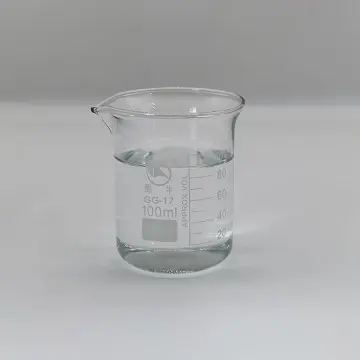
SUZHOU HIYIE CHEMICAL CO., LTD delivers advanced chemical formulations spanning consumer electronics, telecommunication infrastructure, semiconductor fabrication, automotive hardware, and structural plating. We partner with leading domestic and international chemical enterprises and research universities to sustain a collaborative R&D framework addressing high-reliability industrial problems.
Since our founding, Hiyie Chemical has built dedicated research centers in both Wuhan and Shanghai, ensuring our products match strict industrial tolerances. Our distribution and technical service networks cover the Pearl River Delta, Yangtze River Delta, and Bohai Rim. Our products are qualified by top-tier global manufacturers, including Foxconn Technology Group, Qinghai Salt Lake Group, Chint Group, Hongbao Group, Stanley Group, and Shifeng Group.
We deliver chemical consistency, compliance-tested batches, and proactive on-site technical support to help line operators minimize downtime.

Our specialized chemists provide prompt chemical analysis and troubleshooting for bath performance and surface defects.

We modify stabilizers, chelators, and brighteners to meet custom deposition speeds and customer specs.

Our modern formulas are lead-free and cadmium-free, helping manufacturing lines meet global environmental audits.

From bath preparation to waste-water management, we offer complete guidance to keep your line running efficiently.
Whether managing high pressure, wear in deep-well drilling, or micro-precision in PCB boards, our products deliver consistent results.
Modern powertrains, fuel injectors, and brake systems require tight tolerance controls. Our medium phosphorus solutions provide high lubricity, low friction coefficients, and wear protection, helping extend the operating life of rotating components.
Components face high thermal cycling, atmospheric moisture, and oxidative stresses. Amorphous high-phosphorus coatings act as effective corrosion barrier layers on aluminum substrates, minimizing weight while maintaining structural strength.
Precision is vital for electronic applications. Electroless nickel chemistry serves as a diffusion barrier layer under gold coatings (ENIG process) on printed circuit boards, preventing copper migration and ensuring reliable solder joints.
Get answers to common technical questions about bath stability, phosphorus selection, and application engineering.
Electroplating requires an external electrical current to drive ions onto a substrate, which can cause uneven thickness on complex geometries (leading to buildup on outer corners and thin layers in recesses). In contrast, Electroless Nickel Plating (ENP) is an autocatalytic chemical reaction. It deposits a uniform coating thickness over all surfaces, including internal channels, blind holes, and complex designs, regardless of the part's geometry.
For marine, offshore, and highly acidic environments, a high-phosphorus (10-13% P) electroless nickel formula like HITEC EN 6786 is recommended. The high phosphorus content creates an amorphous alloy (glass-like structure) that lacks grain boundaries. This prevents corrosive agents from penetrating the barrier coating, offering excellent defense against saltwater and acid attacks.
During electroless plating, orthophosphite byproducts accumulate as the bath is replenished. If not properly controlled, these byproducts can cause premature bath decomposition, roughness, or loss of deposition rate. Formulations like our HITEC EN 6713 feature advanced complexing agents and stabilizers that extend bath life, keeping deposition rates consistent and reducing overall operational costs.
Yes. All our modern electroless nickel solutions, including the HITEC EN and J0-1 lines, are formulated without lead, cadmium, or other restricted heavy metals. They comply with current European RoHS, REACH, and global ELV standards, allowing manufacturers to serve international markets without compliance issues.
Yes. Heat-treating low-phosphorus coatings (such as our J0-1 Ultra-Low Phosphorus Electroless Nickel) at 340°C to 400°C for 1 to 2 hours induces nickel phosphide (Ni3P) precipitation. This process increases the coating's microhardness from ~700 HV0.1 to over 950 HV0.1, matching the wear resistance of hard chromium coatings.
Stay informed on corporate changes, holiday schedules, and technical updates from our chemistry departments.
We offer zinc-nickel alloy, trivalent zinc passivation, and high-speed copper plating solutions to protect components from corrosion in harsh environments.
 HIYIE
HIYIE