Explore our high-performance surface treatment agents designed to maximize chemical resistance, wear protection, and surface uniformity across complex geometries.
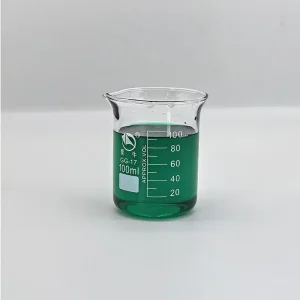
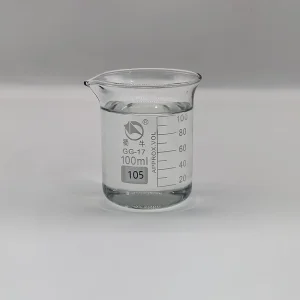
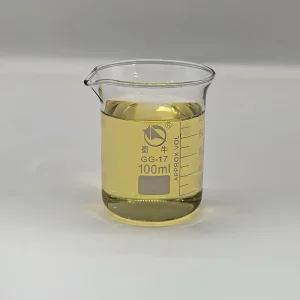
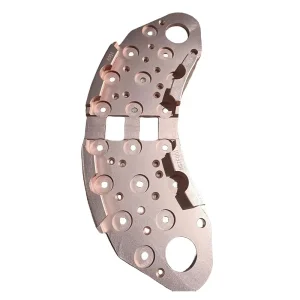
Electroless plating, particularly autocatalytic electroless nickel plating (ENP), has transitioned from a niche metal-finishing application to a core technological pillar of modern advanced manufacturing. Unlike conventional electroplating, which requires an external electrical current, electroless deposition utilizes a chemical reducing agent (most commonly sodium hypophosphite) to reduce nickel ions onto a catalytic substrate surface. This unique autocatalytic reaction allows for a completely uniform thickness, even on components with highly complex geometries, blind holes, deep recesses, and threaded interior channels.
Globally, the market demand for electroless nickel coatings is surging at a CAGR of 6.2%, driven by stringent wear and corrosion performance requirements in extreme environments. Today's commercial value chain is segmented by the phosphorus content within the deposited alloy matrix, each designed for targeted industrial specifications:
Our commitment to rigorous performance criteria and global standardization guarantees consistency from laboratory synthesis to high-volume industrial processing lines.
In international sourcing, surface finishing chemistry is classified as a critical-path process. Global procurement leads from North America, Europe, and the APAC region look closely at chemical batch consistency, supply chain resilience, and environmental compliance documentation. Standardizing procurement specifications around known regulatory directives ensures seamless integration into automotive supply chains and high-tech consumer electronics assembly lines.
| Industry Sector | Primary Application | Standard Specification | Crucial Quality Requirement |
|---|---|---|---|
| Semiconductor & Electronics | IC Substrates & Connectors | IPC-4552 / IPC-4556 (ENIG/ENEPIG) | Zero hyper-corrosion ("black pad"), uniform trace deposition, and solderability. |
| Automotive OEM | Fuel Systems, Gears, Brake Assemblies | ASTM B733 / ISO 4527 | Controlled friction coefficients, high wear resistance, and precise tolerances. |
| Oil & Gas Extraction | Downhole Valves, Pumps, Coupling Components | NACE MR0175 / ISO 15156 | Acidic gas corrosion protection ($H_2S$ & $CO_2$) and cavitation wear resilience. |
| Aerospace Defense | Turbine Parts & Landing Gear Hardware | AMS 2404 / MIL-DTL-32119 | Zero hydrogen embrittlement, superior adhesion, and minimal micro-cracking. |
Our chemicals are rigorously designed to align with these global protocols. Each delivery of electroless plating chemical solution is accompanied by Certificate of Analysis (COA) records detailing surface tension, metal content, reducing agent concentration, and pH limits to assure predictable deposition dynamics under mass-production conditions.
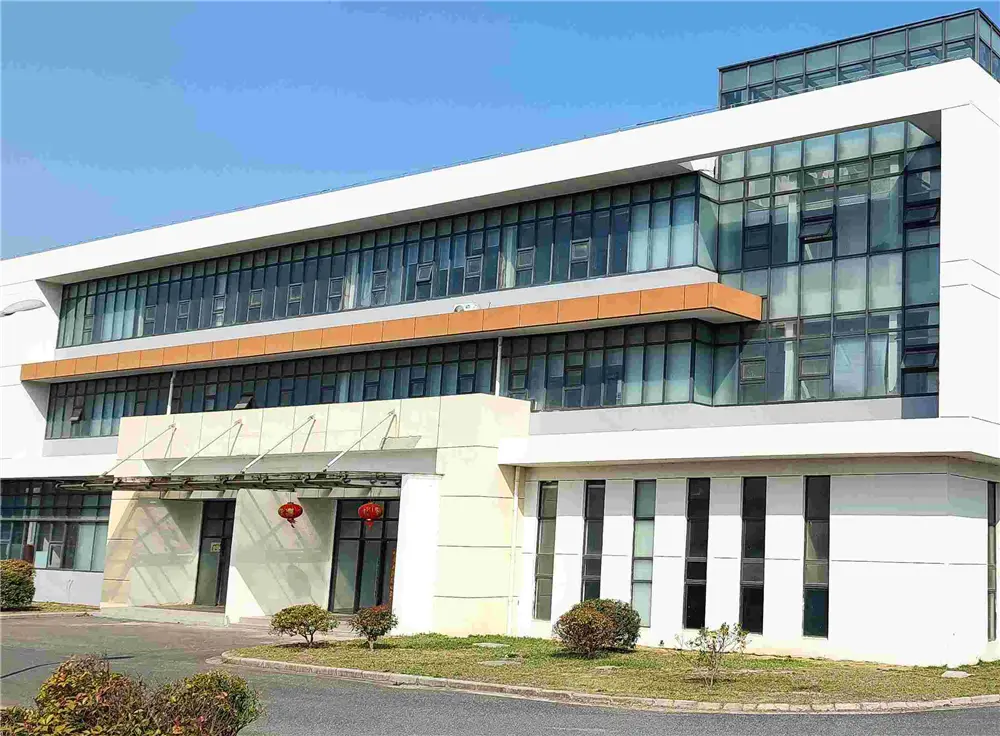
SUZHOU HIYIE CHEMICAL CO., LTD. has engineered a comprehensive product portfolio that serves high-value segments including consumer electronics, communication equipment, semiconductor packaging, automotive hardware, and high-precision industrial tooling. To solve industry-wide technical challenges, we have built a collaborative network with prominent international chemical institutions and leading universities, establishing a mobile R&D center characterized by rapid prototyping and custom-synthesis capabilities.
Since our founding, we have established core R&D laboratories in Wuhan and Shanghai, bridging advanced academic chemistry with practical industrial line-readiness. Our marketing and technical support networks span key industrial hubs across the Pearl River Delta, Yangtze River Delta, and Bohai Rim regions.
Today, our specialized chemical technologies are trusted by world-leading industrial groups, including Foxconn Technology Group, Qinghai Salt Lake Group, Chint Group, Hongbao Group, Stanley Group, and Shifeng Group, establishing Suzhou Hiyie as a premier brand for high-performance metal deposition chemistry.
Purchasing electroless plating agents and metal finishing additives from Suzhou Hiyie Chemical delivers major operational benefits. China's chemical industry has transformed from a raw-materials provider into a global center for high-value surface engineering. This growth is driven by three main factors:
From micro-electronics processing to heavy chemical machinery, our formulations are optimized to handle the challenges of complex manufacturing environments.
Providing high-density packaging interconnect finishes with sub-micron thickness tolerance. Prevents pad oxidation and allows for micro-wire bonding on multi-layer PCBs.
Applying ultra-uniform low-phosphorus nickel coatings inside complex ABS brake valve bodies to assure friction protection and prevent fluid wear over long lifecycles.
Applying high-phosphorus electroless coatings inside pipe bore systems exposed to sour gas ($H_2S$), carbon dioxide, and high pressure, preventing pitting corrosion.
We combine advanced research, manufacturing excellence, and dedicated client service to ensure your electroplating lines operate at maximum efficiency.

We bring in top engineering, chemistry, and sales talent to provide personalized consulting and responsive client service.

Our dual R&D facilities in Shanghai and Wuhan develop specialized formulations tailored to demanding industry specifications.

We focus on sustainable chemistry, including heavy-metal-free stabilizers and zero-cyanide formulations, helping customers meet modern environmental standards.

Our engineering teams offer pre-sale bath design support, active bath analysis, and complete after-sales troubleshooting.
The global metal finishing market is rapidly evolving due to new environmental regulations, cost management pressures, and the growth of high-frequency electronics. We are focusing our R&D efforts on key industry developments:
Traditionally, stabilizers like lead and cadmium were added to electroless nickel baths to prevent spontaneous decomposition. Modern regulations (RoHS and REACH) prohibit these heavy metals. Our modern formulations use advanced organic sulfur compounds and bismuth stabilizers, maintaining bath stability and deposition rate without using regulated materials.
As electroless nickel plating proceeds, orthophosphite byproducts build up, eventually requiring the bath to be discarded. Our latest chemical systems use advanced complexing agents to handle higher orthophosphite levels, extending bath life from 6 metal turnovers (MTO) up to 10 or 12 MTO. This reduces total chemical costs and minimizes waste generation.
Electroless plating typically operates at high temperatures (85°C to 90°C), requiring significant energy. Developing low-temperature systems that operate between 65°C and 75°C reduces energy consumption and carbon emissions, while allowing electroless plating on temperature-sensitive plastics like ABS and polycarbonate.
Practical solutions and chemical insights for common challenges in high-volume electroless and electroplating lines.
Complete your surface treatment lines with our specialized passivation chemicals, copper plating solutions, and alloy additives.
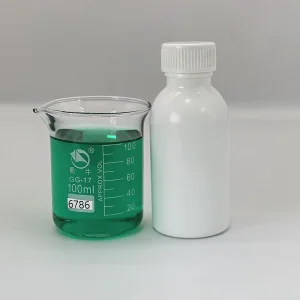
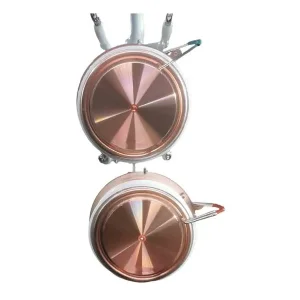
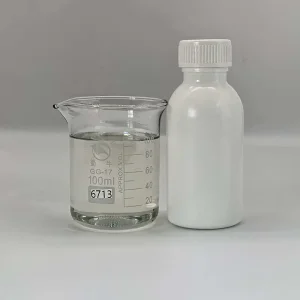
 HIYIE
HIYIE