Best Electroplating Of Copper And Zinc Manufacturer & Suppliers

Pioneering High-Precision Surface Chemistry and Cyanide-Free Coating Systems for Next-Generation Industrial Scaling

Premium Electroplating & Surface Finishing Formulations

Explore our industrial-grade plating baths, carriers, passivation systems, and chemical additives engineered for high throwing power, ecological compliance, and long-term corrosion barrier performance.
ZN-318Blue Trivalent Zinc-Nickel Passivation

ZN-318Blue Trivalent Zinc-Nickel Passivation

Technical Sheet & Request
372 Alkaline Cyanide-Free Copper Plating

372 Alkaline Cyanide-Free Copper Plating

Technical Sheet & Request
8315 Alkaline Cyanide-free Bright Zinc Plating

8315 Alkaline Cyanide-free Bright Zinc Plating

Technical Sheet & Request
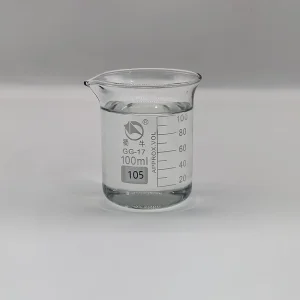
Chrome Plating Carrier 105

Chrome Plating Carrier 105

Technical Sheet & Request
FS100 Semi-Bright Nickel Plating

FS100 Semi-Bright Nickel Plating

Technical Sheet & Request
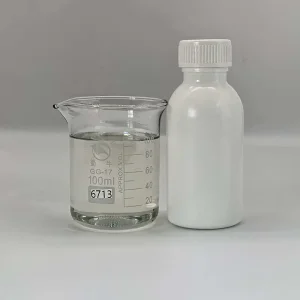
HITEC EN 6713 A/B/C Mid Phosphorus Electroless Nickel

HITEC EN 6713 A/B/C Mid Phosphorus Electroless

Technical Sheet & Request
31685 Rapid Brightening Nickel Plating

31685 Rapid Brightening Nickel Plating

Technical Sheet & Request
672 High-Speed Bright Acid Copper Plating

672 High-Speed Bright Acid Copper Plating

Technical Sheet & Request

Industrial Whitepaper: Electroplating Of Copper And Zinc

An in-depth exploration of deposition chemistry, environmental stewardship, mechanical properties, and strategic sourcing options.

1. Executive Summary & Electrodeposition Fundamentals

In modern manufacturing, surface engineering plays a vital role in determining component longevity, electrical pathways, and structural integrity. Electrodeposition of copper and zinc represents a foundational technology across industries ranging from sub-micron semiconductor interconnects to large-scale structural automotive stamping. As global markets transition toward strict ecological frameworks and zero-defect quality demands, understanding the electrochemical characteristics of these two critical metals is essential.

Copper electroplating is characterized by its high electrical conductivity, excellent ductility, and superior throwing power when formulated with appropriate leveling agents. It acts as the primary metallization layer in printed circuit boards (PCBs) and EV battery components. Conversely, zinc electroplating acts as a sacrificial barrier coating. Under aggressive atmospheric conditions, zinc oxidizes preferentially to the steel substrate, generating protective corrosion products (carbonates and oxides) that seal physical micro-fissures.

Key Chemistry Insights: Trivalent vs. Hexavalent systems

The industry has experienced a significant shift away from hexavalent chromium post-treatments toward advanced trivalent passivations (such as our ZN-318Blue and 216 Iridescent systems). These modern formulations offer comparable self-healing properties without the associated carcinogenic hazards, helping manufacturers meet global directives like RoHS and REACH.

2. Technical Classification & Bath Formulations

Achieving uniform deposition profiles on complex parts requires careful selection of electrolyte chemistry and organic additives. Below, we break down the primary industrial bath classifications utilized by top-tier suppliers:

A. Copper Electroplating Technologies

  • Cyanide-Free Alkaline Copper: Formulated using complexing agents (such as phosphonates or organic amines) to replace highly toxic sodium/potassium cyanide. These systems offer safe operations and excellent adhesion directly on steel, brass, and zinc die-cast parts (e.g., our 372 Alkaline Cyanide-Free Copper Plating).
  • Acid Copper Electrolytes: Typically based on copper sulfate and sulfuric acid. Known for high deposition rates, excellent brightener response, and low cost. They rely on organic carrier molecules (e.g., polyalkylene glycols) and sulfur-containing brighteners to control grain size and step coverage.
  • Pyrophosphate Copper: Primarily utilized in specialized printed circuit applications due to its neutral pH range, high throwing power, and minimal risk of hydrogen embrittlement.

B. Zinc and Zinc-Nickel Alloy Technologies

  • Acid Zinc Plating: Features high cathode current efficiency and brilliant cosmetic appearance, making it suitable for hardware fasteners and consumer stampings. However, it displays relatively poor thickness distribution compared to alkaline chemistries.
  • Alkaline Cyanide-Free Zinc Plating: Employs synthetic polymer chelators in sodium hydroxide solutions. It provides exceptional thickness uniformity across variable current density zones, which is vital for complex structural stampings.
  • Zinc-Nickel Alloy Systems (12-15% Ni): The current standard for high-corrosion automotive applications. When combined with trivalent blue or iridescent passivations, zinc-nickel alloys can withstand over 1,000 hours of neutral salt spray testing before red rust appearance.
1000+
Salt Spray Hrs (Zn-Ni)
0%
Cyanide Content (372 Series)
98%
Cathode Efficiency (Acid Cu)
<2.0
Additive Aspect Ratios

3. Industrial Applications & Localized Integration

The requirements for electroplating vary across different regional industries. By aligning formulation parameters with localized engineering demands, our systems are optimized for specific market environments:

Automotive (North America & EU)

Highly resistant zinc-nickel coatings are standard for brake calipers, fasteners, and under-hood brackets exposed to winter de-icing salts. Trivalent passivations prevent corrosion while meeting OEM torque-tension specifications.

Electronics (Asia Pacific)

Micro-vias and high-frequency connectors require bright, high-speed acid copper chemistries. Additives control step coverage and grain orientation to ensure low signal loss and mechanical reliability under thermal stress.

Renewable Energy & Infrastructure

Solar mounting brackets and structural supports rely on heavy alkaline zinc finishes. In warm, high-humidity regions, these systems provide critical sacrificial protection to ensure a 25-year structural lifespan.

4. Supply Chain Integration & Manufacturing Resilience

In today's fast-paced industrial environment, chemical suppliers must offer both high-performance formulations and a reliable supply chain. SUZHOU HIYIE CHEMICAL CO., LTD. supports global operations through a robust logistics network, comprehensive quality control systems, and active technical partnerships.

By establishing dedicated R&D facilities in Shanghai and Wuhan, Hiyie Chemical maintains a strong development pipeline that bridges scientific research with industrial applications. Our close collaborations with universities and materials laboratories allow us to develop custom chemical additives that resolve specific production challenges, such as organic impurity buildup and local water variance.

Through regular shipping routes from the Yangtze River Delta and nearby deep-water ports, we ensure consistent delivery of bulk plating chemistry to manufacturing hubs worldwide. This structural footprint minimizes transit risks and helps prevent production disruptions for our clients.

About Suzhou Hiyie Chemical

SUZHOU HIYIE CHEMICAL CO., LTD. produces an organic products and chemistry portfolio serving consumer electronics, communication hardware, semiconductor manufacturing, automotive components, and decorative giftware markets.

To tackle complex surface finish challenges, we operate joint R&D laboratories in Shanghai and Wuhan alongside academic partners. Our sales and service footprint extends across the Pearl River Delta, Yangtze River Delta, and Bohai Rim, supporting domestic and international tier-1 clients such as Foxconn Technology Group, Qinghai Salt Lake Group, Chint Group, Hongbao Group, Stanley Group, and Shifeng Group.
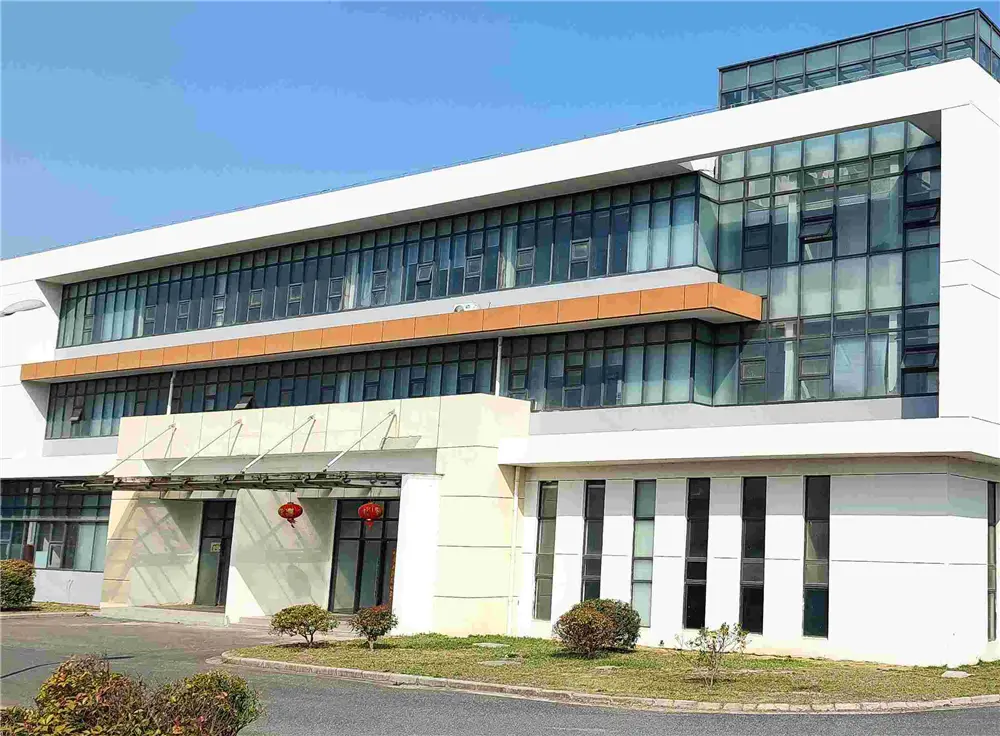
Hiyie Chemical Research Facility

5. Electrodeposition Technical Roadmap & Future Outlook

As industrial surface finishing evolves, the sector is moving toward smarter, more sustainable process lines. The next decade will be defined by the following key developments:

  • AI-Managed Bath Chemistry: Integrating real-time sensor arrays and automated dosing algorithms to track ion concentrations and organic brightener consumption. This system actively adjusts chemistry parameters to ensure stable deposition profiles and reduce waste.
  • High-Frequency Pulse Reverse Plating: Utilizing alternating cathodic and anodic pulse currents to improve throwing power inside high-aspect-ratio vias. This method refines the grain structure of copper and zinc deposits, reducing mechanical stress and hydrogen entrapment.
  • Bio-Derived Organic Additives: Replacing fossil-derived leveling compounds with biodegradable organic alternatives to simplify wastewater treatment and align with global corporate sustainability goals.

Advanced Surface Engineering Solutions

A comprehensive collection of electroless plating chemistries, passivations, and bright nickel carriers designed for challenging substrate configurations.
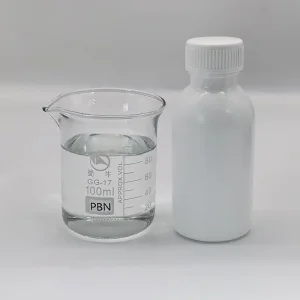
PBN Pearl Nickel

PBN Pearl Nickel

Technical Sheet & Request
J0-1 Ultra-Low Phosphorus Electroless Nickel

J0-1 Ultra-Low Phosphorus Electroless Nickel

Technical Sheet & Request
216 High Corrosion-resistant Iridescent Trivalent Zinc Passivation

216 High Corrosion Trivalent Zinc Passivation

Technical Sheet & Request
HITEC EN 6786 A/B/C High Phosphorus Electroless Nickel

HITEC EN 6786 A/B/C High Phosphorus Electroless

Technical Sheet & Request
1149 Barrel Bright Nickel Plating

1149 Barrel Bright Nickel Plating

Technical Sheet & Request
6185 Alkaline Zinc-Nickel Plating

6185 Alkaline Zinc-Nickel Plating

Technical Sheet & Request
ZN-318Blue Trivalent Zinc-Nickel Passivation

ZN-318Blue Trivalent Zinc-Nickel Passivation

Technical Sheet & Request
372 Alkaline Cyanide-Free Copper Plating

372 Alkaline Cyanide-Free Copper Plating

Technical Sheet & Request

Expert Q&A: Industrial Metal Deposition Chemistry

Our lead chemists answer common industry questions regarding application engineering, adhesion quality, and environmental compliance.

Why is cyanide-free copper plating preferred over traditional cyanide formulations?
Cyanide-free systems (like our 372 series) eliminate highly toxic sodium/potassium cyanide from the production floor, reducing hazardous waste, lowering regulatory compliance costs, and improving operator safety. They utilize advanced chelating agents to achieve excellent throwing power and strong direct adhesion on steel and zinc die-cast parts.
How do trivalent passivations compare to hexavalent chromium coatings in salt spray testing?
Modern trivalent systems (such as ZN-318Blue) match the performance of hexavalent chromium by using nanoparticle silica and transition metal sealers. These additives create a dense conversion layer that provides over 120 hours of resistance to white rust and up to 1000 hours of resistance to red rust on zinc alloys.
What measures prevent hydrogen embrittlement in high-strength steel fasteners?
Hydrogen embrittlement is managed by using high-efficiency alkaline plating baths that minimize hydrogen generation at the cathode, and by conducting a thermal baking cycle (typically at 190°C–220°C for 4–24 hours) immediately after electroplating and before passivation.
How does acid copper plating differ from alkaline copper plating in terms of application?
Acid copper systems offer high deposition speeds and excellent leveling, making them ideal for thick layers on PCBs and electroforming. However, because they are corrosive to steel and zinc die-casts, an alkaline copper strike layer is usually applied first to prevent displacement reactions and ensure strong adhesion.
What parameters must be controlled to prevent zinc whisker growth in electronics?
Zinc whiskers are thin crystalline growths that can cause electrical short circuits. Growth is mitigated by applying a barrier underplate, such as nickel or copper, and using post-plate passivations or baking steps to reduce internal compressive stress within the zinc deposit.