Explore our premium industrial chemicals engineered for outstanding surface protection, high-phosphorus electroless plating, and eco-friendly passivation.
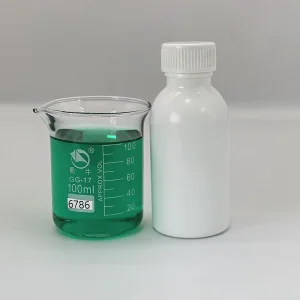
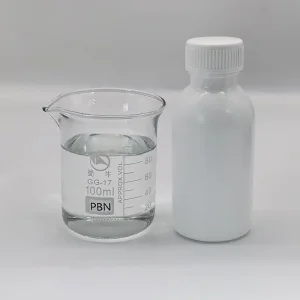
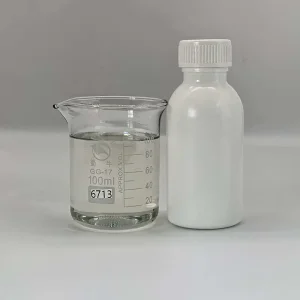
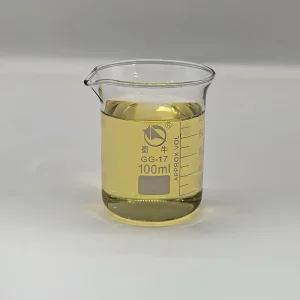
In modern anti-corrosion engineering, electroplated zinc and zinc-alloy coatings serve as sacrificial anodes to safeguard steel substrates. However, raw galvanized layers are highly prone to rapid oxidation, yielding white rust. Traditional hexavalent chromate passivation films provided protection but have been heavily restricted under RoHS and REACH due to environmental toxicity. The industry has decisively shifted towards trivalent chromium ($Cr^{3+}$) and organic-inorganic hybrid galvanized sealing agents.
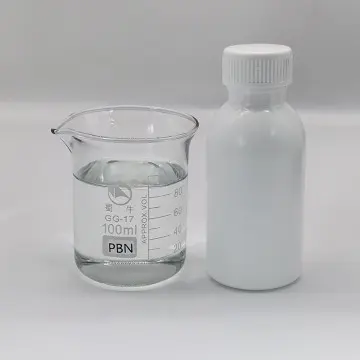
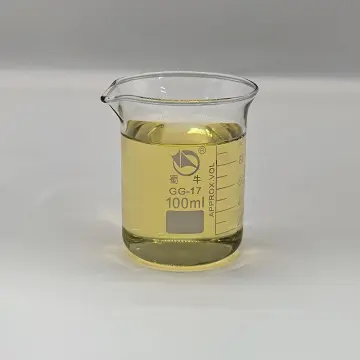
A high-performance galvanized sealing agent is a specialized post-dip chemistry that establishes a micro-thin, cross-linked barrier over the passivation layer. Working synergistically with passivation, these sealers seal micro-fissures and pores in the conversion film. This prevents corrosive electrolytes like chloride ions ($Cl^-$) and oxygen from attacking the underlying zinc matrix, drastically extending salt spray resistance.
By embedding nano-silica ($SiO_2$) particles within a highly stable organic polymer matrix, our sealing agents form a dual-barrier system. The silica creates a tortuous path for aggressive ions, while the organic polymer yields uniform film coverage and controls friction coefficients.
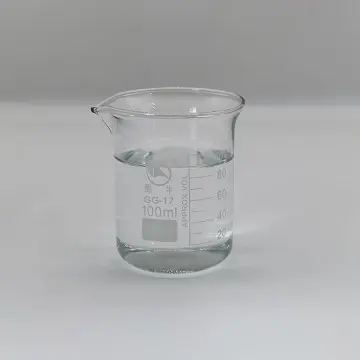
High performance standards achieved through continuous collaborative R&D and field testing.
Key indicators and testing criteria evaluated by global B2B procurement managers to select surface treatment technologies.
When sourcing galvanized sealing agents, procurement managers in the automotive, wind energy, and electronics sectors look beyond cost per kilogram. Modern quality assurance protocols dictate a rigorous evaluation of chemical baths, deposition uniformity, and dry-film properties. The industry relies on several critical parameters:
| Evaluation Parameter | Industry Target Standard | Technical Significance | Hiyie Formulation Edge |
|---|---|---|---|
| Corrosion Resistance (NSS) | ASTM B117 / ISO 9227 (Up to 1200h without red rust) | Simulates atmospheric exposure to measure zinc layer preservation. | Excellent performance through nano-crosslinking and sealing. |
| Coefficients of Friction (CoF) | ISO 16047 (Range: 0.12 - 0.18 $\mu$) | Critical for threaded fasteners to ensure controlled torque-tension properties. | Built-in lubricants ensure uniform torque control. |
| Thermal Shock Resistance | Heating at 120°C - 150°C for 24h before NSS testing | Verifies that temperature cycles do not micro-crack the passivation film. | Modified silicate matrix holds structure under thermal stress. |
| VOC Content | < 50 g/L (Water-borne systems preferred) | Ensures environmental safety and regulatory compliance at application plants. | Low VOC, solvent-free, eco-friendly systems. |
To align with these strict procurement standards, modern chemical supply lines must guarantee bath longevity. Our advanced sealing agents are formulated with high bath stability, minimizing chemical replenishment cycles and slag formation, which in turn reduces overall plating line downtime.
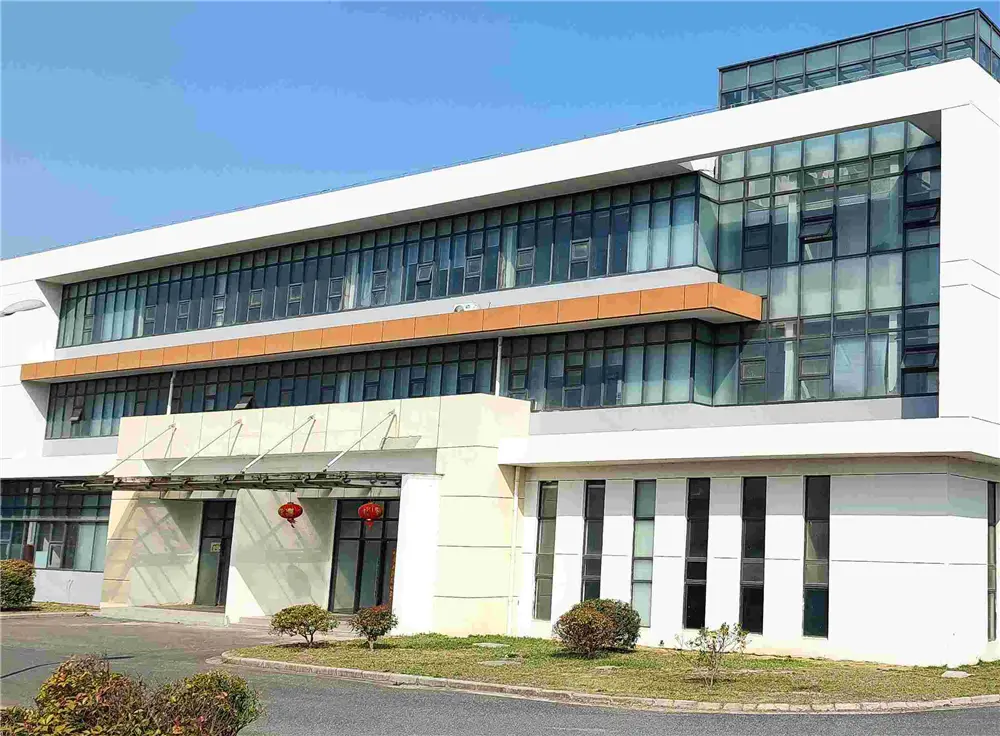
SUZHOU HIYIE CHEMICAL CO., LTD is a premier manufacturer of high-performance surface finishing additives and functional organic chemicals. Our product portfolio spans key industry sectors, including consumer electronics, telecommunications, semiconductor packaging, automotive hardware, and structural steel assemblies.
Hiyie Chemical has built strong collaborative relationships with chemical research institutes and universities, establishing a highly agile mobile R&D center focused on solving technical challenges in industrial plating. We operate dedicated R&D divisions in Wuhan and Shanghai. Through our extensive distribution networks, our solutions are widely used across the Pearl River Delta, Yangtze River Delta, and the Bohai Rim.
Our high-performance trivalent passivations, mid-to-high phosphorus electroless nickel processes, and organic-inorganic sealing agents are used by major manufacturers, including Foxconn Technology Group, Qinghai Salt Lake Group, Chint Group, Hongbao Group, Stanley Group, and Shifeng Group.
A look at the core values and capabilities that drive our partnerships with leading global manufacturers.

We continuously recruit top-tier chemical engineers and technical sales specialists to ensure our customers receive prompt, knowledgeable support.

Our flexible R&D mechanism enables us to tailor formulations to meet specific corrosion resistance, friction, and viscosity requirements.

By combining eco-friendly chemistry with advanced raw materials, we help plating facilities transition away from hazardous substances.

Our dedicated engineering teams assist customers with bath analysis, line set-up, and troubleshooting to ensure consistent production quality.
How our surface finishing technologies protect vital assemblies in global supply chains.
Automotive fasteners, fluid transmission lines, and brake calipers operate in high-temperature, corrosive environments. Our trivalent passivations paired with organic-inorganic sealing agents provide durable corrosion protection and stable torque performance, meeting the strict specifications of major global OEMs.
As electronic devices become smaller, precision plating is essential. Our high-phosphorus electroless nickel process (such as HITEC EN 6786) produces non-magnetic, corrosion-resistant layers that protect delicate connectors and internal structural elements without compromising signal integrity.
High-voltage switchgear, copper busbars, and steel support structures need long-term outdoor protection. Partnering with companies like Chint Group, we deliver robust alkaline zinc-nickel alloy plating and sealing solutions that extend equipment lifespans in humid, coastal, and industrial areas.
Our commitment to sustainable innovation, cleaner production, and aligning with international chemical safety standards.
The future of industrial surface finishing lies in smart, self-healing technologies and entirely chrome-free formulations. Our technical roadmap focuses on introducing micro-encapsulated corrosion inhibitors directly into the silicate network of our sealing agents. When mechanical wear or micro-cracking occurs on the galvanized coating, the capsules open to release active compounds that patch the damaged area, preventing moisture from initiating localized corrosion.
All Suzhou Hiyie products are formulated in compliance with the European Union's Registration, Evaluation, Authorisation and Restriction of Chemicals (REACH) and Restriction of Hazardous Substances (RoHS) directives. We are dedicated to helping our global partners transition away from hexavalent chromium and cyanide-based plating baths.
Common questions answered by our application engineers to help you maintain stable baths and ensure consistent plating quality.
Updates on our operations and technological developments.
The Snake ushers in blessings as we bid the old year farewell; The Horse brings spring as we embark on a new journey. The New Year bell rings the prelude to progress. We are proud to expand our research facilities and strengthen support services for our global clients as we continue to develop innovative, sustainable surface treatment technologies.
Explore our full selection of passivations, brighteners, nickel processes, and organic sealers for diverse industrial requirements.
 HIYIE
HIYIE