Advanced electroplating additives designed for extreme durability, bright finishing, and strict process control.
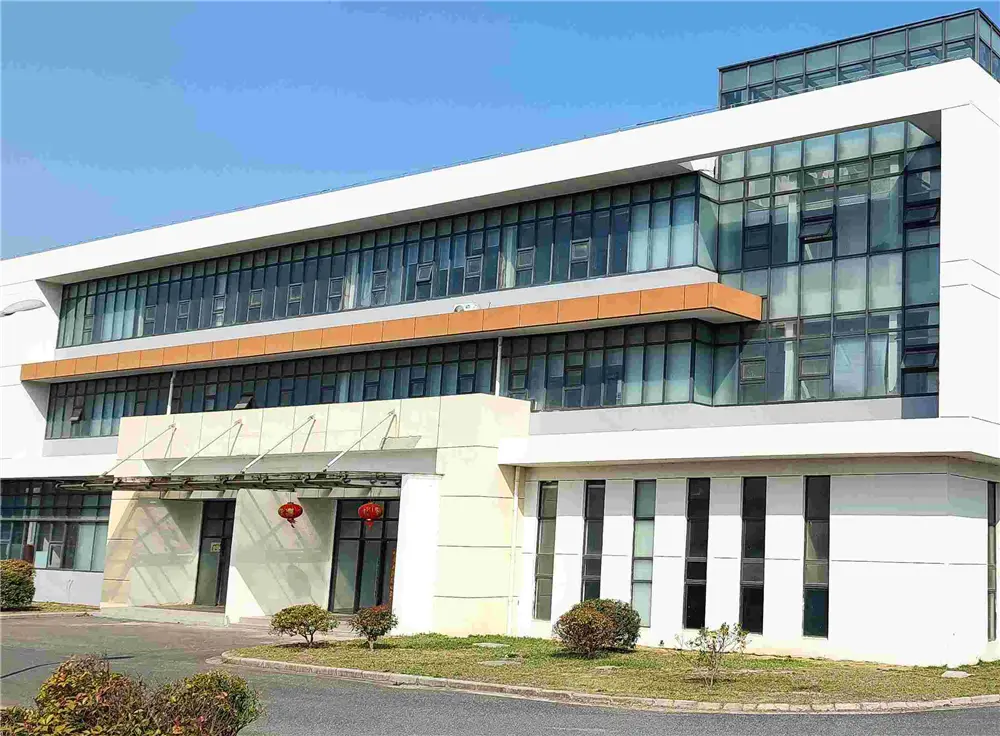
SUZHOU HIYIE CHEMICAL Co., LTD has a rich chemical product portfolio that spans consumer electronics, advanced communication equipment, the semiconductor industry, automotive hardware, craft decoration, and heavy-duty structural galvanizing sectors. To resolve complex electroplating challenges under demanding specifications, Hiyie operates a dynamic mobile R&D center in collaboration with key research universities and domestic laboratories. With core R&D divisions situated in Wuhan and Shanghai, our logistics and marketing networks cover key economic corridors: the Pearl River Delta, Yangtze River Delta, and the Bohai Rim. Our customized electroplating brighteners and passivation agents are validated by top manufacturers worldwide, including Foxconn Technology Group, Qinghai Salt Lake Group, Chint Group, and Stanley Group.
Read More About HiyieEngineered capabilities setting new quality standards for global surface finishing supply chains.
In modern metallurgy and metal-working industries, surface preservation and corrosion mitigation are paramount. The global electroplating additive market is undergoing a seismic transition. Traditional heavy metal finishes, particularly those employing hexavalent chromium (Cr6+) or high-concentration cyanide-based baths, are being systematically phased out due to stringent environmental regulations like REACH in Europe and EPA mandates in North America. This chemical evolution has driven surface finishing plants to demand high-performance, non-toxic alternatives such as Alkaline Cyanide-Free Zinc Plating and Trivalent Zinc-Nickel Alloys.
The commercial imperative is clear: manufacturers must extend the component lifespan under hostile environmental conditions while optimizing deposition rates. Galvanizing additives—acting as carriers, brighteners, grain refiners, and levelers—ensure that microcrystalline structures are deposit-dense, free of pinholes, and visually immaculate. From under-the-hood automotive parts to structural architectural fasteners, these chemical additives modify the electrical double layer during electrodeposition, preventing dendrite formation and creating uniform barriers against oxidation.
The automotive industry remains the primary growth driver for premium galvanizing and zinc-nickel alloy plating. Modern vehicle components demand massive corrosion resistance, frequently exceeding 1200 hours of neutral salt spray testing (ASTM B117) without red rust formation. Achieving this without introducing hydrogen embrittlement requires proprietary organic brighteners and robust trivalent passivation chemistries. Concurrently, the semiconductor and electronics industries rely on high-speed electroless nickel plating (such as mid and high phosphorus varieties) for precise plating thickness on intricate wafer components, connectors, and casing frames.
Suzhou Hiyie Chemical Co., Ltd. sits at the heart of the world’s most advanced chemical manufacturing corridor. The efficiency advantages of sourcing galvanizing and electroplating additives from China go far beyond simple cost reductions; they encompass systemic advantages in raw material access, technological integration, and rapid scale-up.
1. Raw Material Vertical Integration: China produces the vast majority of chemical intermediates used in synthesizing organic brighteners and carrier matrices. Direct access to precursors prevents supply chain blockages, stabilizing pricing and lead times for global OEMs.
2. High-Efficiency Customization Loops: The collaborative framework established between Hiyie and leading academic institutions allows us to modify compound structures (such as creating specialty polymers for alkaline zinc-nickel baths) in a fraction of the time required by traditional Western chemical conglomerates. A process test run that takes months in Europe can be completed, analyzed via HPLC/Hull Cell testing, and scaled up in China in a matter of weeks.
3. Modern Environmental Infrastructure: Industrial parks in the Yangtze River Delta operate under world-class, centralized waste-treatment systems. This guarantees our production is fully compliant, protected from regulatory shutdowns, and engineered to minimize carbon footprints.
Ensuring technical superiority, operational flexibility, and sustainable chemistry for international sourcing.

We recruit top-tier chemical engineers and technical sales professionals who are committed to solving client line-side operational issues.

Our adaptable R&D mechanisms are built to adjust formula ratios to suit local tap water quality, specific temperature profiles, and substrate configurations.

Focusing on trivalent chromium passivators and alkaline cyanide-free plating chemicals to assure alignment with global eco-mandates.

Comprehensive pre-sale chemical evaluation, bath life cycle management, and rapid troubleshooting to eliminate plating line downtime.
Modern plating shops operate in highly localized contexts, meaning chemistry must adapt to regionally specific substrates, equipment, and environmental laws. Our product line is optimized to cater to these diverse realities:
Three primary trends are dominating the future of galvanizing and plating additives:
1. Low-Temperature Operations: Chemical formulations that deposit coatings effectively at lower temperatures, saving plating shops thousands in energy costs.
2. Chrome-Free Passivation Systems: Developing complete organic coatings that eliminate chromium entirely from the post-plating passivation sequence.
3. Advanced Wetting Agents & Surfactants: Replacing traditional fluorinated surfactants with bio-degradable wetting agents that suppress chemical misting without persisting in the environment.
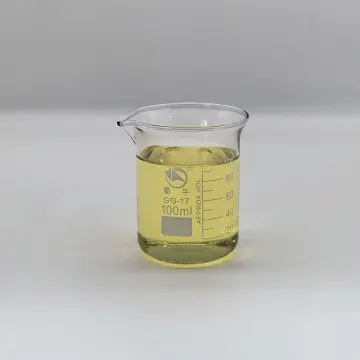
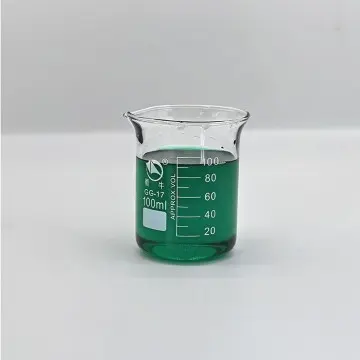
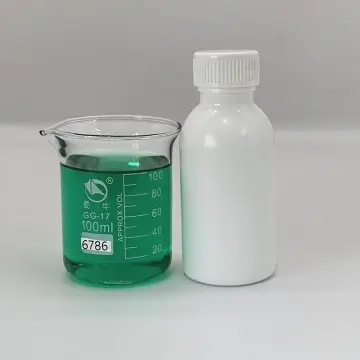
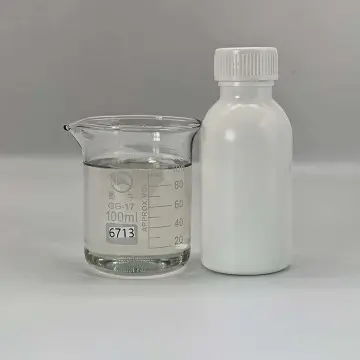
Engineered formulations categorized by metal finishing requirements.
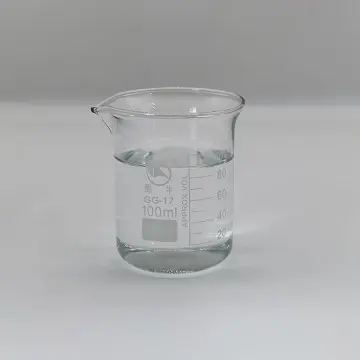
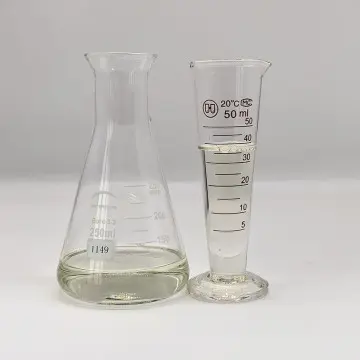
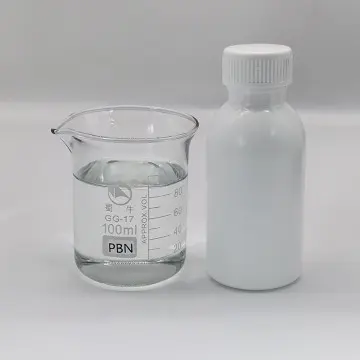
For industrial procurement directors and quality assurance managers, choosing an electroplating chemical supplier requires evaluating critical variables to prevent bath failures and line shutdowns:
1. Chemical Consistency & Analytical Control: The supplier must implement trace-element testing (such as Atomic Absorption Spectroscopy) to confirm each batch falls within strict molecular tolerance windows. Inconsistent additives disrupt Hull Cell test results, leading to burnt plating, high stress deposits, or poor thickness distribution.
2. Temperature & Current Range Tolerance: High-performance brighteners must withstand wide current density ranges (especially in complex-geometry barrel plating lines) without decomposing into harmful by-products. Ask the manufacturer for HPLC chromatography data illustrating how chemical breakdown occurs over prolonged Ampere-hours.
3. Waste Water Treatment Compatibility: As environmental inspection regimes expand, choose additives that do not contain strong chelating complexes. Complexed heavy metals are difficult to precipitate, making waste stream treatment expensive. Choosing formulations like Hiyie's cyanide-free zinc plating system reduces cost and effort in wastewater processing.
Expert chemical answers to help metal finishing operations succeed.
Stay informed on our chemical innovations, operations schedule, and engineering announcements.

The Chinese New Year marks a time of reflection, reset, and chemical innovation. As we enter the next operational cycle, Hiyie Chemical extends warm wishes to all global clients, logistics partners, and researchers. The bells ring in another year of progress in environmental surface chemistry solutions.
Read AnnouncementOptimize your bath efficiency and corrosion protection with customized brightener and passivator solutions engineered by Suzhou Hiyie Chemical Co., Ltd. Reach out to our technical team for custom analysis and laboratory testing.
Request Technical ConsultationComprehensive formulations including acid copper brighteners, alkaline alloys, and premium passivation agents.
 HIYIE
HIYIE