Engineered coatings for precise mechanical, chemical, and electrical performance in demanding applications.
The chemistry of true amorphous structures, thermodynamic passivity, and zero-magnetic barrier applications.
| Property / Characteristic | Low Phosphorus (1-5% P) | Medium Phosphorus (6-9% P) | High Phosphorus (10-14% P) |
|---|---|---|---|
| Microstructural Phase | Crystalline (Very dense) | Semi-crystalline / Micro-crystalline | Fully Amorphous (Glass-like matrix) |
| Corrosion Resistance (Salt Spray) | Low (< 96 Hours) | Moderate (200 - 500 Hours) | Excellent (> 1000 Hours, ASTM B117) |
| As-Plated Hardness | 600 - 700 HV0.1 | 500 - 600 HV0.1 | 450 - 520 HV0.1 (Reaches 900+ after heat treatment) |
| Magnetic Properties | Highly Ferromagnetic | Magnetic to weakly magnetic | Completely Non-magnetic (Permeability < 1.01) |
| Acid Resistance (Nitric Acid test) | Poor (attacks rapidly) | Moderate | Outstanding (Passes ASTM B733) |
Deploying High Phosphorus Electroless Nickel in demanding and harsh industrial operating conditions.
In semiconductor wafer processing equipment and lead frames, electromagnetic interference must be minimized. HPEN provides a non-magnetic barrier layer that does not interfere with RF signals or sensitive electron beams. Its uniform thickness distribution ensures micro-components remain within tolerance limits without requiring post-plate machining.
Downhole drilling environments expose parts to high concentrations of $H_2S$, $CO_2$, and brine at high temperatures. The amorphous structure of HPEN resists acid attacks and hydrogen embrittlement. This extends the service life of valves, packers, and blowout preventers under high pressure.
Components like fuel injectors, brake pistons, and turbocharger actuators require protection against fuel chemicals and high-temperature wear. HPEN provides consistent coverage inside internal channels and threads, ensuring uniform thickness and chemical protection across complex parts.
Why leading global manufacturers trust Hiyie Chemical's advanced production systems and quality controls.
Strict adherence to environmental regulations and global logistics support.
Our formulations are completely free of lead and cadmium. We use alternative organic stabilizers that comply with European RoHS and REACH standards without reducing bath life or deposition rate.
For automotive components, our chemistry meets the End-of-Life Vehicles (ELV) Directive. This helps automotive suppliers pass stringent verification tests.
Our field engineers provide onsite support worldwide. We help clients troubleshoot bath management, analyze failure modes, and adjust plating lines to improve yield.
Where electroless nickel plating chemistry is going over the next decade.
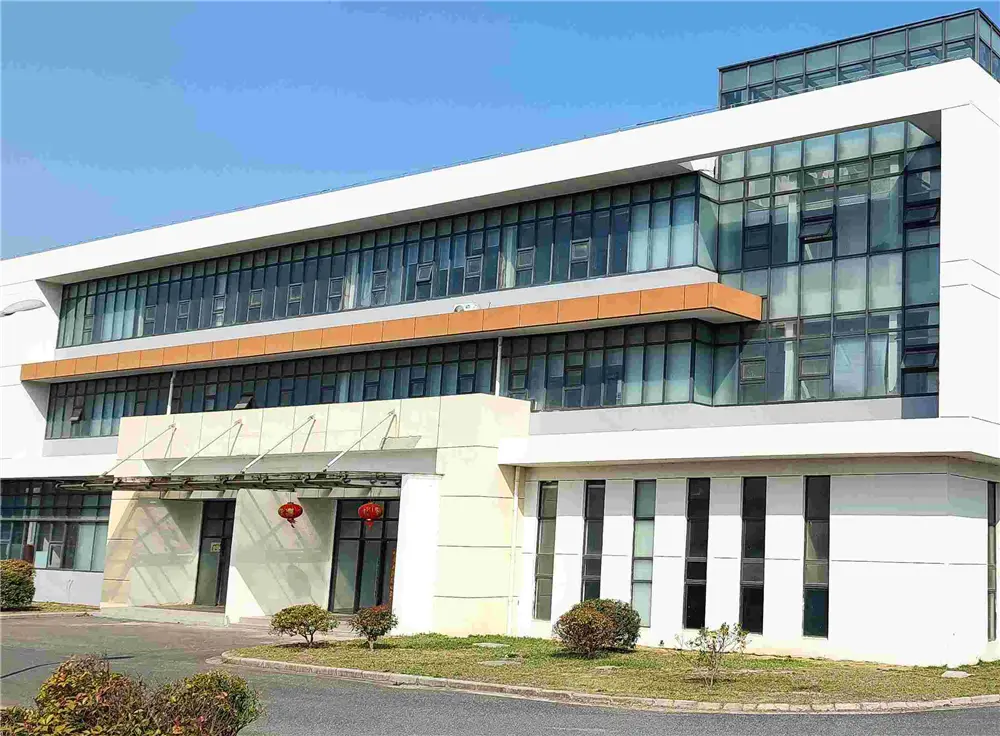
SUZHOU HIYIE CHEMICAL Co.,LTD has a product portfolio that covers consumer electronics, communication equipment, the semiconductor industry, automotive hardware, craft gifts, and more. The company has collaborated with multiple domestic and foreign chemical companies and universities to establish a mobile R&D center dedicated to solving technical challenges in the surface treatment industry.
Since our establishment, we have set up dedicated R&D facilities in Shanghai and Wuhan, supported by a marketing network spanning the Yangtze River Delta, Pearl River Delta, and Bohai Rim regions. Our systems and solutions are widely recognized and used by major global enterprises, including Foxconn Technology Group, Chint Group, Qinghai Salt Lake Group, Hongbao Group, Stanley Group, and Shifeng Group.
Proven capabilities in advanced chemistry, customer support, and research development.

The company introduces a large number of staff, sales, and technical talents to ensure customer satisfaction.

Our flexible R&D mechanisms allow us to meet specific technical requirements and custom adjustments for customers.

We deploy modern formulations built on a philosophy of environmental compliance and high efficiency.

Our sales and engineering teams provide ongoing customer support, troubleshooting, and bath analysis.

Our company welcomed the new year with a team event, celebrating our growth in global partnerships and reaffirming our commitment to surface chemistry research. We look forward to working closely with our clients and partners in the year ahead.
Visual catalogue of our industrial plating lines including nickel, electroless nickel, and zinc alloys.
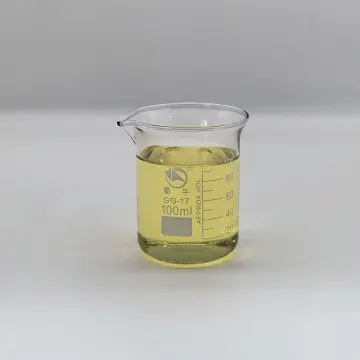
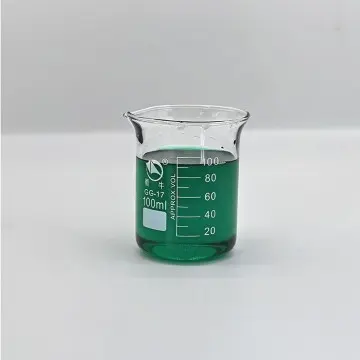
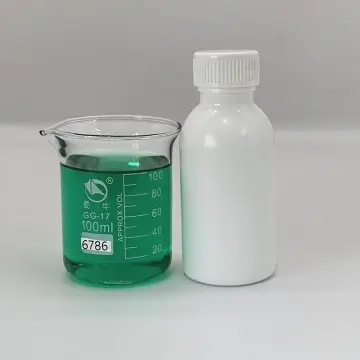
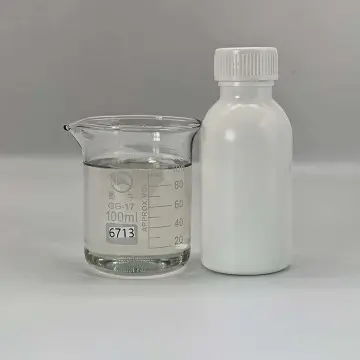
Technical explanations regarding process controls, parameters, and practical maintenance of electroless nickel baths.
As deposited, high phosphorus electroless nickel (above 10.5% P) is completely amorphous (non-crystalline) and non-magnetic. However, when exposed to temperatures exceeding 320°C, the amorphous matrix begins to crystallize, forming nickel phosphide ($Ni_3P$) and crystalline nickel phases. These crystalline nickel phases are ferromagnetic. To maintain non-magnetic properties, parts should not be exposed to high heat-treatment temperatures.
The pH of the plating bath directly influences the reduction kinetics. Higher pH levels increase the deposition rate but lower the phosphorus co-deposition percentage. Conversely, maintaining a lower, stable pH (usually between 4.5 and 4.8) slows the deposition rate but ensures the co-deposited phosphorus remains above 10.5%, preserving the amorphous structure and corrosion resistance.
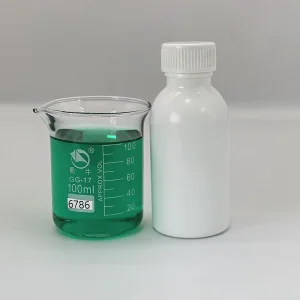
Modern high phosphorus baths like the HITEC EN 6786 series typically achieve 6 to 8 Metal Turnovers (MTO) under proper maintenance. One MTO is reached when the amount of nickel deposited equals the original nickel content in the bath. As the bath ages, orthophosphite byproducts build up, which can reduce the deposition rate and coating brightness.
For most atmospheric and mild chemical applications, the natural nickel oxide layer that forms on the surface provides sufficient protection. However, in highly corrosive environments (such as marine or sour oil fields), a post-plate passivation treatment in a dilute chromate or non-chromate acid solution can seal micro-voids and double the salt spray protection.
Unlike electrolytic plating, which co-deposits a large amount of atomic hydrogen on the substrate, electroless nickel processes generate less atomic hydrogen at the surface. To prevent hydrogen embrittlement in high-strength steels, parts should be baked within 4 hours of plating (typically at 190°C for 3 to 24 hours) to drive out any trapped hydrogen.
Browse our broader range of copper, zinc, and alloy passivations to complete your surface protection specifications.
 HIYIE
HIYIE