Global Industrial Nickel Coating Market: Status & Outlook
The global metal finishing market is undergoing rapid evolution, shifting from traditional cosmetic coatings to highly engineered, functional thin-film solutions. Among these, nickel coatings hold a prominent role. The demand is driven by the expansion of the electric vehicle (EV) infrastructure, aerospace manufacturing, microelectronics, and harsh-environment marine hardware.
According to recent metallurgy trends, functional nickel plating is transitioning toward trivalent zinc-nickel (Zn-Ni) passivations and electroless options (ENP). This change is driven by environmental regulations like RoHS, REACH, and EPA initiatives, which restrict hexavalent chromium and cyanide-based processes. As modern electronic designs pack more components into smaller spaces, surface treatments must deliver high levels of corrosion resistance, consistent thickness, and solderability. Leading manufacturers now focus on high-precision chemical formulations that offer optimal bath stability and reduce overall system costs.
Electroplating vs. Electroless Nickel Plating: A Chemistry Deep-Dive
To select the right industrial coating, it helps to understand the difference between electrolytic (electroplating) and autocatalytic (electroless) deposition systems. Both techniques apply a layer of nickel, but they rely on different chemical mechanisms and produce distinct physical properties.
1. Electroless Nickel Plating (ENP)
Electroless nickel plating uses an autocatalytic chemical reaction to deposit a nickel-phosphorus alloy onto a substrate. It does not require an external electric current, resulting in an exceptionally uniform coating thickness across complex geometries, deep recesses, and internal bores.
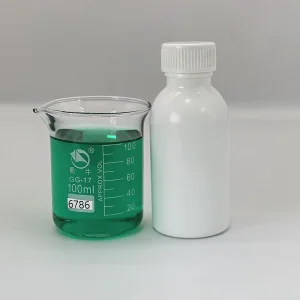
High-Phosphorus (>10% P, e.g., HITEC EN 6786): Provides an amorphous molecular structure that lacks grain boundaries. This delivers excellent resistance to acidic environments, making it suitable for chemical processing, oil & gas components, and marine applications.
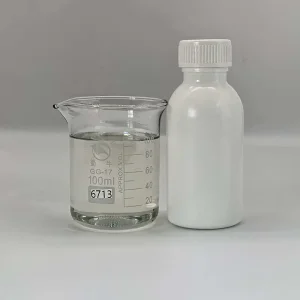
Mid-Phosphorus (5-9% P, e.g., HITEC EN 6713): Balances wear resistance, corrosion protection, and gloss. It is a widely used industrial workhorse for general machinery, valves, and automotive components.
Ultra-Low Phosphorus (<3% P, e.g., J0-1): Offers a crystalline structure with high electrical conductivity, low contact resistance, and exceptional hardness (up to 60 Rc as plated). It is ideal for solderability and high-wear environments like electronic heat sinks and micro-connectors.
2. Electroplated Nickel Plating
Electroplating relies on an external electrical current to reduce nickel ions (Ni2+) onto the target part. While it requires careful anode placement to maintain uniform thickness across complex geometries, it offers excellent deposition rates and bright finishes.
Rapid Brightening Plating (e.g., 31685): Formulated for high-speed production lines. It delivers excellent leveling properties and a brilliant, specular finish, serving as a base for subsequent decorative chromium or gold plating.
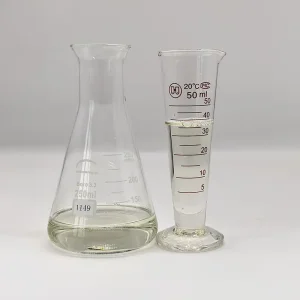
Barrel Bright Plating (e.g., 1149): Optimized for bulk processing of small fasteners, connectors, and stamped hardware. It offers high chemical stability and consistent brightness even at low current density areas.
Semi-Bright Plating (e.g., FS100): Deposits a sulfur-free coating with high ductility and low internal stress, serving as an undercoat for duplex nickel systems to maximize corrosion protection.
Why Partner with Chinese Manufacturers? The Suzhou Hiyie Edge
China is a global leader in chemical production and surface finishing technology. Working with an advanced chemical manufacturer like Suzhou Hiyie Chemical Co., Ltd. offers key competitive advantages:
Dual-Center R&D Agility
With research facilities in Shanghai and Wuhan, we collaborate with top-tier universities to solve custom coating challenges and develop niche chemical systems quickly.
Advanced Eco-Compliance
We prioritize green chemistry, developing cyanide-free zinc/copper additives and trivalent passivates to help global businesses meet strict environmental mandates.
Integrated Supply Chains
Located in the Yangtze River Delta, we leverage a robust local supply network to secure raw materials and provide cost-effective shipping for global orders.
Industrial Applications Across Key Sectors
Functional coatings serve as critical protective layers across a wide range of industrial components. Our specialized solutions are engineered for demanding operating conditions:
Automotive Engineering: High-voltage EV battery busbars require exceptional corrosion resistance and electrical conductivity. Systems like the 6185 Alkaline Zinc-Nickel Plating combined with ZN-318 Trivalent Passivation protect under-hood and chassis parts from road salts and galvanic corrosion.
Consumer Electronics & Communication: Partnering with manufacturers like Foxconn, we supply advanced chemical systems for smartphones, laptops, and server racks. These applications demand uniform thickness, high ductility, and good solderability to prevent whiskers and contact failure.
Semiconductors & High-Precision Assembly: Microscopic wafer-processing tools and connectors rely on ultra-low phosphorus electroless nickel to maintain signal integrity and prevent oxidation.
About Suzhou Hiyie
A Leading Developer of Organic and Industrial Plating Chemicals
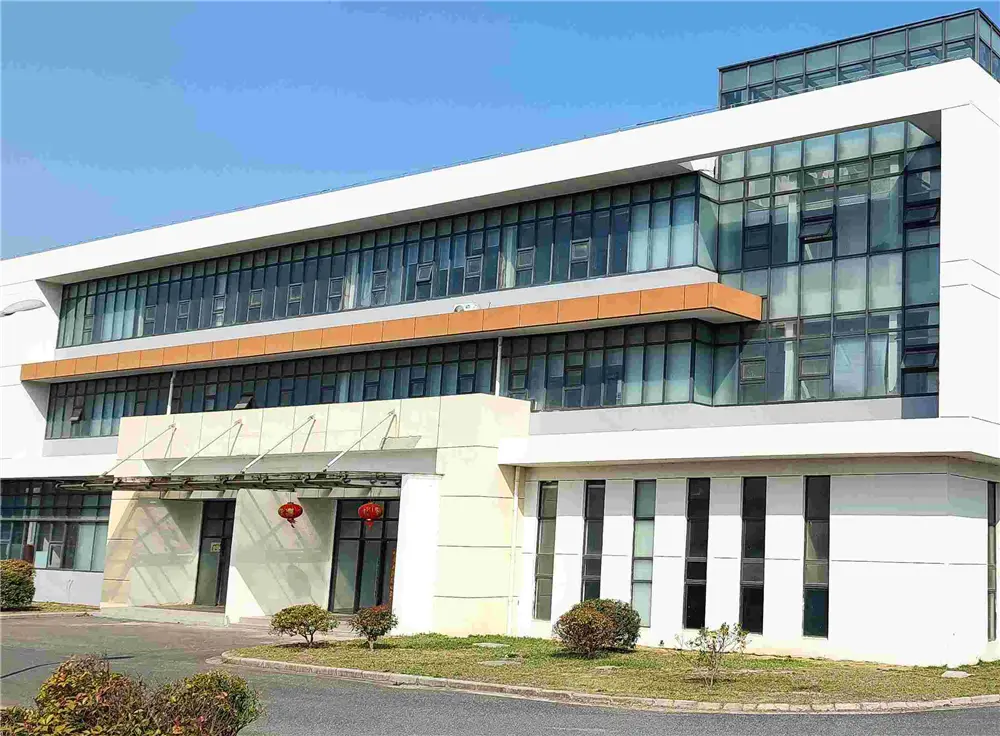
Suzhou Hiyie Chemical Co., Ltd. provides chemical formulations for consumer electronics, communication equipment, semiconductor manufacturing, automotive hardware, and consumer goods. We collaborate with domestic and international chemical companies and universities to run a mobile R&D network dedicated to solving metal finishing and surface preparation challenges.
With R&D centers in Shanghai and Wuhan, our distribution network serves the Pearl River Delta, Yangtze River Delta, and Bohai Rim regions. Our products are used by industry leaders like Foxconn Technology Group, Qinghai Salt Lake Group, Chint Group, Hongbao Group, Stanley Group, and Shifeng Group. This wide adoption reflects our focus on quality, reliability, and technological innovation.
Technical answers to common questions about functional nickel coatings and surface chemistry.
What is the primary difference between high-phosphorus and low-phosphorus electroless nickel?
The difference lies in the phosphorus percentage and the resulting microstructural properties. High-phosphorus (10-13% P) coatings are amorphous, non-magnetic, and provide excellent corrosion resistance in acidic environments. Low-phosphorus (1-4% P) coatings are crystalline, highly conductive, and offer higher as-plated hardness (up to 700 HV), making them suitable for wear-intensive applications.
How does trivalent zinc-nickel passivation compare to hexavalent chromium coatings?
Trivalent passivation (such as ZN-318) meets modern environmental standards (RoHS and REACH) by eliminating hexavalent chromium (CrVI). It matches or exceeds hexavalent chromium in corrosion testing, preventing white rust for over 120 hours and red rust for over 1000 hours in standard neutral salt spray tests.
What are the benefits of using cyanide-free alkaline plating systems?
Cyanide-free plating systems, such as 8315 Bright Zinc and 372 Copper, eliminate highly toxic cyanide chemicals from the production line. This improves operator safety, reduces waste treatment costs, and simplifies environmental compliance while maintaining excellent throwing power and deposit ductility.
Can electroless nickel coatings be heat-treated to improve hardness?
Yes. Baking low, mid, or high phosphorus electroless nickel coatings at 350°C to 400°C for one hour induces nickel phosphide (Ni3P) crystallization. This process can increase surface hardness to 950 - 1050 HV, matching the wear performance of hard industrial chromium.
Specialized Electrochemistry & Passivation Systems
Advanced chemistry solutions for industrial metal finishing lines.
 HIYIE
HIYIE