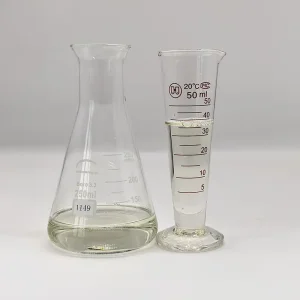
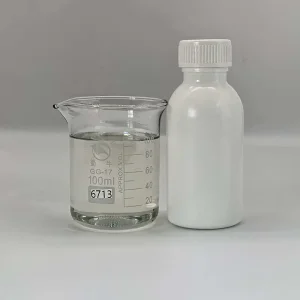
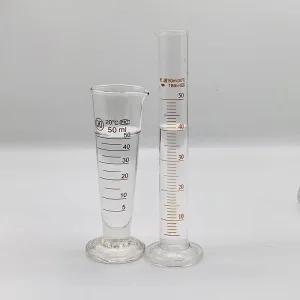
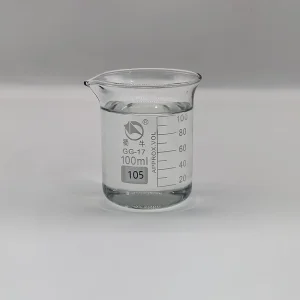
Explore our flagship electroplating and electroless additives engineered for high corrosion resistance and high leveling performance.
The global metal surface finishing industry is undergoing a structural transition driven by the demands of microelectronics, electric vehicles (EVs), and advanced aerospace engineering. Nickel plating additives serve as the essential catalyst in this evolution, determining the crystalline structure, brightness, internal stress, and overall corrosion resilience of metal deposits. Historically valued for decorative purposes, contemporary applications prioritize high-performance functional electroplating and electroless nickel plating (ENP).
As precision manufacturing demands uniform coatings over complex geometries, the market for high-tier chemical formulations has expanded. Key industrial clusters in the Yangtze River Delta, Pearl River Delta, North America, and the European Union are actively enforcing strict environmental standards, driving suppliers to innovate. Modern processes mandate the complete elimination of lead, cadmium, and traditional toxic stabilizers, paving the way for advanced organic chemical formulations that align with global compliance standards.
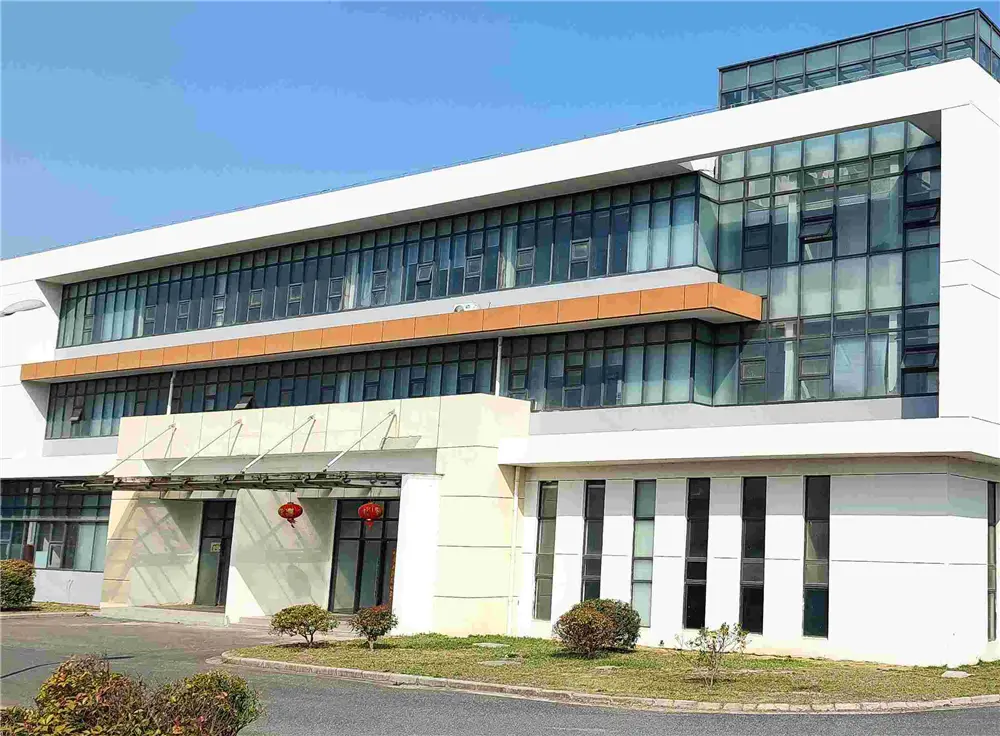
The performance of a nickel plating bath is critically governed by the synergy between the base electrolyte and the organic additives integrated into the solution. Plating additives are categorized based on their electrochemical roles:
Formulated to reduce grain size and polarize the cathode. They ensure a uniform, high-density nucleation structure across wide current density ranges.
Specifically designed to target micro-roughness. These compounds migrate to high-current-density peaks to slow down local deposition rates, allowing valleys to fill rapidly.
Surfactants formulated to reduce surface tension at the metal-solution interface, preventing hydrogen bubbles from clinging to the workpiece.
For specialized applications, such as Semi-Bright Nickel Plating (e.g., FS100), additives must exclude sulfur to maximize electrochemical potential differences in multi-layer nickel systems. In contrast, Bright Nickel Plating (e.g., 1149 and 31685) utilizes carefully balanced sulfur-bearing carriers to optimize reflectivity and brightness.
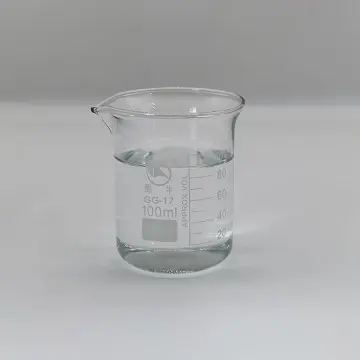
SUZHOU HIYIE CHEMICAL CO., LTD. is a leading manufacturer specializing in the research, development, and production of organic chemical products and advanced surface treatment additives. Our product portfolio spans critical industries, including consumer electronics, 5G communication equipment, semiconductor packaging, automotive hardware, and high-end craft gifts.
To address complex industrial challenges, Hiyie Chemical has established collaborative research initiatives with domestic and international chemical companies and universities, setting up specialized mobile R&D centers. With dedicated R&D hubs in Wuhan and Shanghai, and a marketing network covering the Pearl River Delta, Yangtze River Delta, and Bohai Rim, Hiyie provides technical support to global manufacturing hubs.
Our formulations are utilized and trusted by major multinational corporations, including Foxconn Technology Group, Qinghai Salt Lake Group, Chint Group, Hongbao Group, Stanley Group, and Shifeng Group.
Delivering reliable, high-performance chemistry backed by rigorous quality control and modern R&D infrastructure.
We source top-tier chemical engineering talent to provide technical guidance and customized onsite troubleshooting.
Dual R&D centers in Wuhan and Shanghai develop tailored organic chemical formulations to match specific customer substrates.
Focusing on eco-friendly developments, including cyanide-free copper plating and trivalent zinc-nickel passivation processes.
Our pre-sales bath design, in-process monitoring assistance, and dedicated after-sales support ensure smooth, ongoing line operations.
To meet demanding manufacturing specifications, Hiyie Chemical provides integrated chemical systems tailored for modern metal finishing lines:
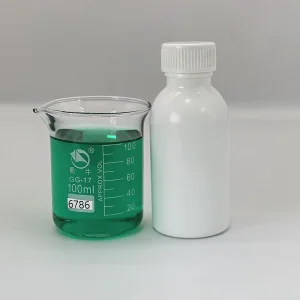
Engineered for complex shapes where electroplating cannot achieve uniform thickness. Our formulations cover low, medium, and high phosphorus alloys.
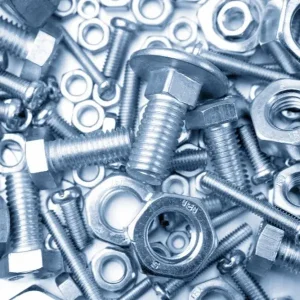
Developed for automotive fasteners and structural hardware exposed to high salt spray requirements.
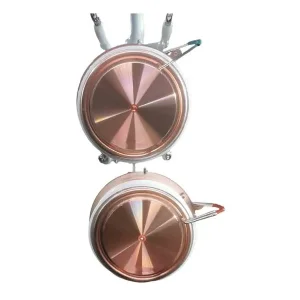
High-efficiency copper formulations designed to replace toxic cyanide baths in base layer applications.
Keep up with our latest industrial updates, engineering break-throughs, and organizational developments.

As we step into a new phase of industrial innovation, Suzhou Hiyie Chemical Co., Ltd. reaffirms its dedication to eco-friendly chemical R&D. We continue to expand our support for partners across high-precision electronic and automotive hardware sectors worldwide.
Answers to common questions regarding bath chemistry, functional differences, and troubleshooting plating processes.
Bright nickel processes (such as 1149 and 31685) utilize organic sulfur-bearing brighteners to create high-reflectivity, mirror-like deposits. Semi-bright nickel processes (such as FS100) use sulfur-free carriers to deposit a ductile, sulfur-free nickel layer. In multi-layer nickel plating, this sulfur difference creates a beneficial potential gap that enhances corrosion resistance by redirecting corrosion horizontally.
Electroless nickel deposits are classified by phosphorus content: Low Phosphorus (1-4% P) offers high hardness and wear resistance in alkaline environments; Medium Phosphorus (5-9% P, e.g., HITEC EN 6713) provides a balanced mix of brightness, speed, and moderate corrosion resistance; High Phosphorus (>10% P, e.g., HITEC EN 6786) produces a non-magnetic, highly amorphous structure that offers excellent acid corrosion protection.
Alkaline Zinc-Nickel systems (such as 6185) deposit a consistent alloy coating containing 12-16% nickel. This configuration provides superior corrosion protection compared to standard zinc plating, making it highly effective for automotive and aerospace components subjected to demanding salt-spray testing.
Yes. Modern formulations like the 372 Alkaline Cyanide-Free Copper Plating package allow direct deposition on steel, brass, and zinc-alloy parts without using highly toxic cyanide. This helps plating facilities simplify wastewater treatment and meet environmental standards while maintaining good adhesion.
Complete your plating processes with our range of high-stability electroless solutions, alloy passivates, and performance carriers.
 HIYIE
HIYIE