In modern manufacturing paradigms, the quality of surface finishing determines the structural integrity, electrical performance, and longevity of components across mission-critical industries. From consumer electronics and semiconductor interconnections to rugged automotive chassis parts, the thin metallic layers deposited through electroplating act as the shield and the conduit. Specifically, nickel plating processes rely heavily on organic chemistry modifications to achieve excellent brightness, high leveling speed, low internal stress, and superior micro-throwing power.
As a leading Nickel Plating Brightener Manufacturer & Supplier, Suzhou Hiyie Chemical Co., Ltd bridges the gap between lab-scale chemical engineering and shop-floor productivity. By developing specialized organic additives, we control electrocrystallization pathways to ensure shiny, uniform, and corrosion-resistant finishes. Our comprehensive formulations serve complex bath chemistries, optimizing brightness without compromising structural resilience.
Browse our premier technical formulations engineered to meet precise industrial specifications for brightness, durability, and corrosion resistance.

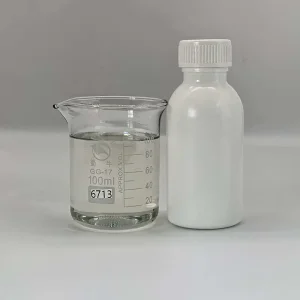
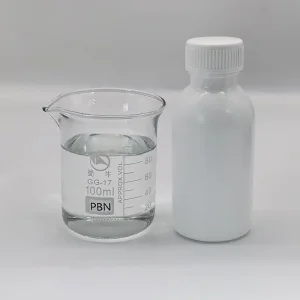
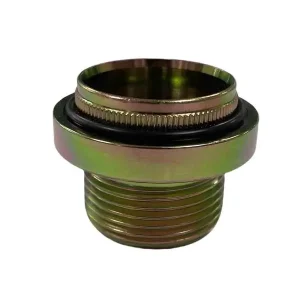
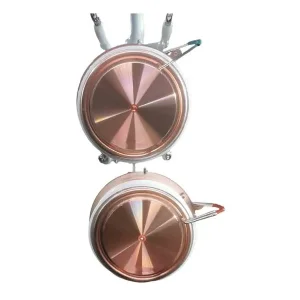
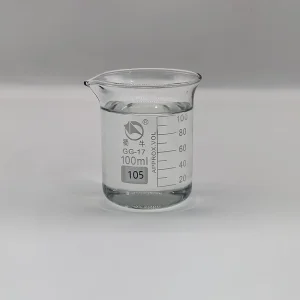
Bright nickel plating is an electrochemical process that requires carefully balanced organic molecules to control grain refinement. Without brighteners, electrodeposited nickel exhibits a rough, matte finish due to uninhibited crystal growth along dominant lattice axes. To transition this matte structure into a specular (mirror-like) reflective coating, plating chemists introduce organic additives that selectively block or accelerate local deposition.
Commonly referred to as carriers, these sulfur-containing organic compounds (such as sodium benzene sulfonate, saccharin, or naphthalene trisulfonic acid) refine the metal grains. They lower the internal stress of the deposit, improve ductility, and make the nickel layer receptive to secondary organic agents. Class I brighteners are consumed slowly and provide a wide operating window.
These leveling agents typically consist of unsaturated organic compounds (such as acetylenic alcohols, pyridine derivatives, and quaternary ammonium compounds). They adsorb on the micro-peaks of the cathode, temporarily polarizing these sites and forcing nickel ions to deposit in the micro-valleys. This dynamic leveling effect creates a planar surface, resulting in a mirror-like shine.
Wetting agents lower surface tension, helping hydrogen gas bubbles escape from the cathode. This prevents pitting defects on the plated surface. Our specialized formulations, like the Chrome Plating Carrier 105, ensure uniform current distribution and high compatibility with both air-agitated and mechanical-agitated electroplating tanks.
The boundary layer adjacent to the cathode undergoes mass transfer limitations during high-current-density plating. Secondary brighteners undergo mass-transport-controlled diffusion. Because they diffuse faster to the micro-peaks of a rough substrate, they inhibit nickel deposition at those peaks. Meanwhile, the micro-valleys receive fewer brightener molecules, allowing nickel to deposit there at a faster rate. The result is a smooth, level, and highly reflective surface.
The surface finishing sector is transitioning toward green chemistry and automated process control. The traditional Watts bath and sulfamate nickel systems are undergoing major formulations shifts. Below is our R&D vision for the next generation of industrial coatings:
Developing next-generation leveling agents that break down easily in wastewater treatment plants, reducing chemical oxygen demand (COD) and removing toxic pyridine derivatives without losing high-current-density leveling power.
Using machine learning to simulate adsorption energy levels on nickel crystal faces. This allows us to design organic molecules that produce mirror finishes at lower concentrations and temperatures.
Integrating online sensors to measure the breakdown products of brighteners in real time, automatically adjusting dosing to avoid deposit brittleness and maintain consistent coating quality.
Plating requirements vary widely by industry. A formulation that works for consumer electronics may not meet the corrosion demands of automotive parts. Our product line is tailored to address these specific application needs:
Automotive components face harsh conditions like road salt and temperature swings. Our systems, including ZN-318 Blue Trivalent Zinc-Nickel Passivation and 6185 Alkaline Zinc-Nickel Plating, provide excellent corrosion resistance. These formulations help parts pass the 96-hour CASS test and 1000-hour neutral salt spray test, meeting strict global automotive standards.
Precision and thin coatings are essential in electronics. Undercoats must prevent copper migration without affecting signal transmission. Technologies like HITEC EN 6713 A/B/C Mid Phosphorus Electroless Nickel offer flat, solderable, and corrosion-resistant surfaces suitable for PCB gold-plating and semiconductor lead frames.
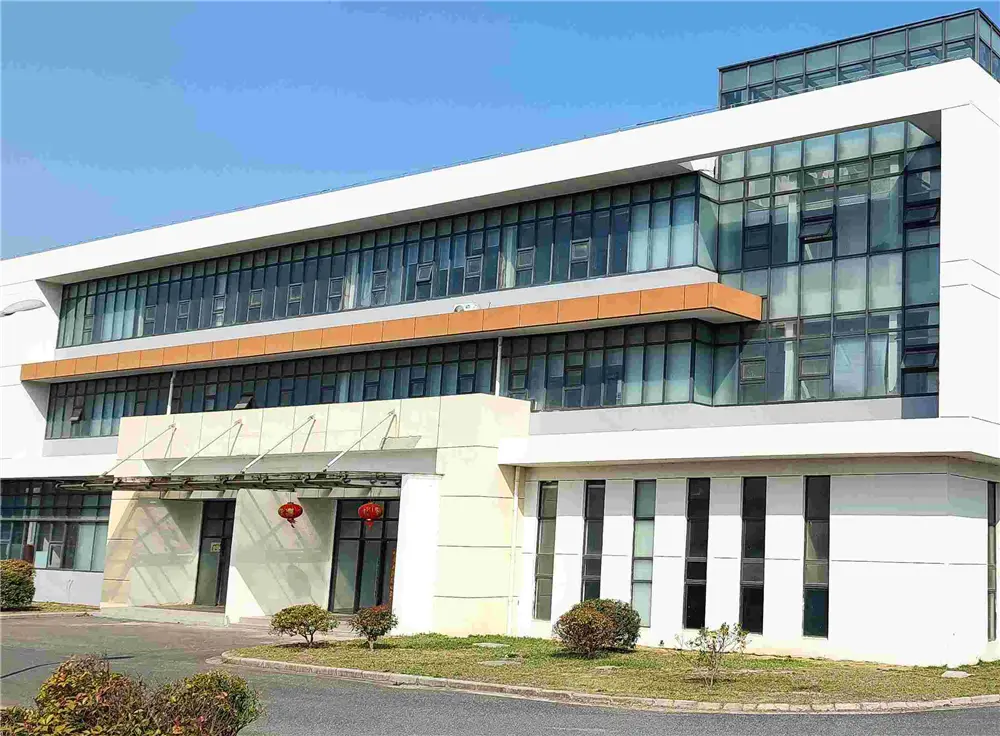
At our manufacturing facility in Suzhou, China, we combine advanced organic chemical synthesis with strict quality control. Our plant operates under Industry 4.0 standards, utilizing automated batch reactors, precise temperature control, and closed-loop filtration. This setup ensures consistent, trace-impurity-free chemical batches, giving you peace of mind during production.

Our team includes chemical engineers and electrochemists who oversee synthesis, bath analysis, and customer troubleshooting.

We work with research universities to customize brighteners, carriers, and passivates to fit your specific plating setups.

We focus on cyanide-free, low-COD, and trivalent chromium options to help you meet environmental regulations.

We offer full-cycle service, including tank design advice, bath analysis, and post-sales optimization.
Modern electroplating must balance high performance with environmental safety. Regulations like REACH, RoHS 3.0, and local water discharge laws mean chemical suppliers must innovate. We are committed to developing safer alternatives for the industry:
We test all raw materials and finished lots using chromatography and mass spectrometry. This ensures trace metals like Pb, Cd, and Hg remain well below regulatory limits, helping you meet global compliance audits.
For procurement managers, maintaining bath stability and output quality requires selecting the right additives. When evaluating suppliers, consider the following parameters:
Ensure the brighteners and carriers work with your existing Watts or sulfamate baths. Look for additives that maintain performance during concentration fluctuations, reducing the need for constant bath adjustments.
Review the current density ranges of the additives. A wide bright range prevents burning at high current densities and dullness at low current densities, which is key for complex geometries.
Organic additives break down over time. Choose high-purity additives that minimize total organic carbon (TOC) buildup. This extends bath life and reduces the frequency of carbon treatment purification cycles.
SUZHOU HIYIE CHEMICAL CO., LTD provides chemical solutions for consumer electronics, communication equipment, semiconductors, automotive hardware, and decorative giftware. We partner with domestic and foreign chemical companies and universities, operating mobile R&D centers in Wuhan and Shanghai to address technical challenges in surface finishing.
Our sales and service network covers the Pearl River Delta, Yangtze River Delta, and Bohai Rim regions. Our products are used by industry leaders, including Foxconn Technology Group, Qinghai Salt Lake Group, Chint Group, Hongbao Group, Stanley Group, and Shifeng Group, earning us a reputation for reliability and performance.
We combine industrial experience with academic research to develop solutions that address surface coating challenges, focusing on bath lifespan, leveling efficiency, and environmental compliance.

As we transition into a new phase of development, Suzhou Hiyie Chemical remains dedicated to technological innovation and manufacturing excellence. The ringing of the New Year bells signals our continued focus on producing reliable, environmentally friendly chemical solutions for our partners worldwide.
Find answers to common questions about bath maintenance, organic additive control, and troubleshooting surface defects.
Explore our full range of plating chemistries and passivation treatments designed for consistent, high-quality results.

 HIYIE
HIYIE