Best Zi Ni Plating Supplier & Suppliers

High-Performance Zinc-Nickel Alloy Technology and Global Supply Chain Solutions for Extreme Corrosion Protection

Premium Electroplating Formulations

Explore our cutting-edge chemical agents designed for high-performance surface finishing and protective coatings.
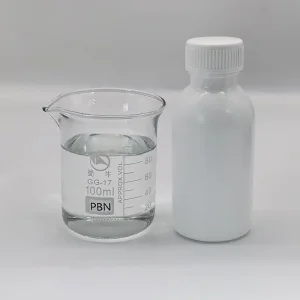
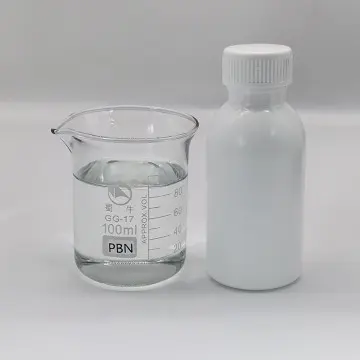
PBN Pearl Nickel

PBN Pearl Nickel

View Details
216 High Corrosion-resistant Trivalent Zinc Passivation

216 High Corrosion Trivalent Zinc Passivation

View Details
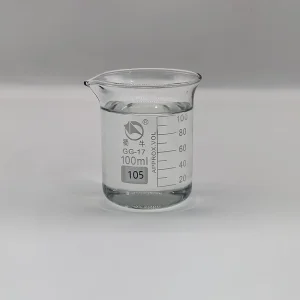
Chrome Plating Carrier 105

Chrome Plating Carrier 105

View Details
FS100 Semi-Bright Nickel Plating

FS100 Semi-Bright Nickel Plating

View Details
8315 Alkaline Cyanide-free Bright Zinc Plating

8315 Alkaline Cyanide-free Bright Zinc Plating

View Details
J0-1 Ultra-Low Phosphorus Electroless Nickel

J0-1 Ultra-Low Phosphorus Electroless Nickel

View Details
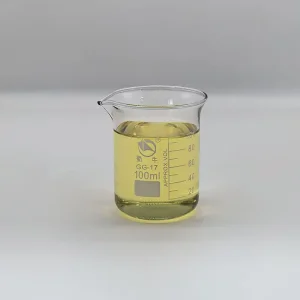
6185 Alkaline Zinc-Nickel Plating

6185 Alkaline Zinc-Nickel Plating

View Details
ZN-318 Blue Trivalent Zinc-Nickel Passivation

ZN-318 Blue Trivalent Zinc-Nickel Passivation

View Details
1,000+
Salt Spray Hours (ASTM B117)
12-15%
Optimal Nickel Alloy Ratio
100%
RoHS & REACH Compliant
20+
Years of R&D Expertise

The Technical Evolution of Zi Ni (Zinc-Nickel) Plating

An Industry White Paper on Superior Electrodeposition Chemistry, Mechanical Protection, and Global Sourcing Strategy.

In modern industrial manufacturing, surface engineering plays a vital role in extending component lifespans, lowering maintenance overhead, and ensuring long-term operational safety. Among various electrolytic coating methods, Zi Ni Plating (Zinc-Nickel alloy deposition) stands out as a highly effective corrosion protection system. By combining the sacrificial properties of zinc with the thermal resistance and strength of nickel, Zi Ni coatings offer exceptional durability. This makes them ideal for demanding sectors like automotive manufacturing, aerospace engineering, high-performance electronics, and marine applications.

1. Understanding Zi Ni Alloy Electrochemistry

Standard zinc coatings offer sacrificial protection to steel components by corroding first to protect the underlying base metal. However, in environments with high levels of chlorides, moisture, and fluctuating temperatures, pure zinc coatings can degrade too quickly. Zi Ni plating addresses this issue by electrochemically co-depositing zinc and nickel to form a true alloy layer. In industrial applications, the ideal nickel co-deposition rate is kept between 12% and 15%.

At this concentration, the alloy forms a distinct crystalline structure known as the gamma phase (γ-phase), which has the chemical formula Ni3Zn22 or Ni5Zn21. This phase provides excellent corrosion resistance while minimizing the risk of hydrogen embrittlement. It acts as an effective barrier against corroding agents, slowing down the formation of both white rust (zinc oxide) and red rust (iron oxide) under standard ASTM B117 salt spray testing.

2. Industry Performance Standards & Quality Parameters

Selecting the right Zi Ni plating chemistry requires meeting strict industry standards. Global automotive companies, military departments, and heavy machinery manufacturers have established rigorous specifications to evaluate these coatings:

  • ASTM B117 & ISO 9227: Standard methods for salt spray testing. High-quality alkaline Zi Ni systems, like the 6185 Alkaline Zinc-Nickel Plating coupled with the ZN-318 Blue Trivalent Passivation, can withstand over 1,000 hours of neutral salt spray without developing red rust.
  • DIN EN ISO 4042: Specifies requirements for electroplated coatings on threaded fasteners, prioritizing consistent torque-tension relationships and preventing hydrogen embrittlement.
  • Automotive Specifications (VW TL 244, BMW GS 90010, Ford WSS-M21P44): Require precise thickness control (usually between 8 to 15 microns) and uniform alloy distribution across complex shapes.

These standards highlight the need for advanced plating additives, including carriers, brighteners, and stabilizers. Chemical components like the Chrome Plating Carrier 105 and FS100 Semi-Bright Nickel Plating additives help maintain balanced bath conditions, ensuring uniform deposition rates even at low current densities.

3. Local Application Scenarios: Where Performance Matters

Zi Ni plating is widely used in harsh operating environments where standard corrosion protection methods fall short. Below are key applications where this plating technology is essential:
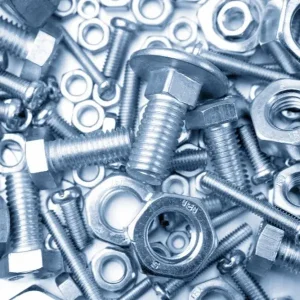
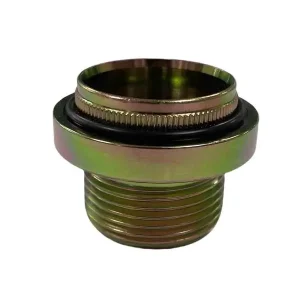
  • Automotive Fasteners and Chassis Components: Under-hood components, brake calipers, fuel line connectors, and suspension parts are constantly exposed to road salt, engine heat, and moisture. Zi Ni coatings resist galvanic corrosion when in contact with aluminum, making them critical for lightweight modern vehicles.
  • Aerospace Actuators and Landing Gear: Landing gear systems, structural pins, and hydraulic fittings require coatings that can endure extreme stress and temperature variations without cracking or losing adhesion.
  • Offshore Wind and Marine Engineering: Fasteners and fittings used in coastal and offshore installations must withstand marine conditions. The combination of Zi Ni plating with high-performance trivalent passivations provides long-term resistance to saltwater exposure.
  • Consumer Electronics and Connectors: Modern electronic housings and high-frequency communication gear require corrosion-resistant coatings that also maintain electrical conductivity and shield against electromagnetic interference (EMI).
Suzhou Hiyie Chemical Company Culture

About hiyie

A Professional Manufacturer of Organic & Surface Finishing Chemicals

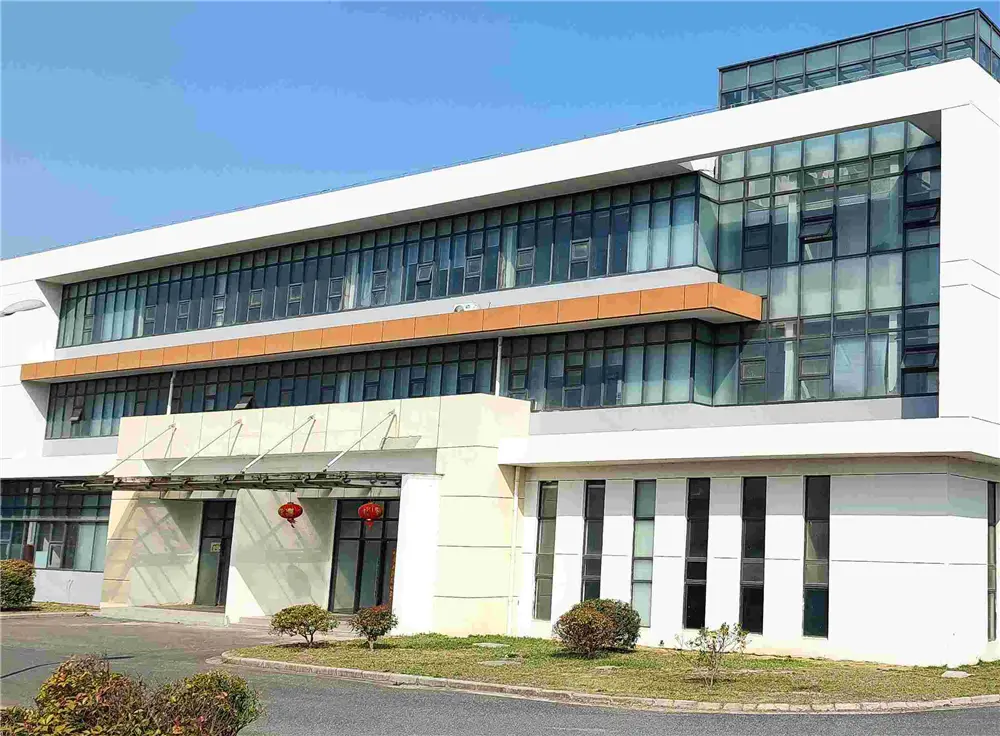
SUZHOU HIYIE CHEMICAL CO., LTD. supplies advanced chemical products for consumer electronics, communication equipment, the semiconductor industry, automotive hardware, and craft gifts. Through collaborations with domestic and international chemical companies and universities, we have established a mobile R&D center dedicated to addressing technical challenges in the surface finishing industry.

Since our founding, we have set up R&D centers in Wuhan and Shanghai. Our marketing network covers the Pearl River Delta, Yangtze River Delta, and Bohai Rim regions. Our products are utilized by major domestic and international companies, including Foxconn Technology Group, Qinghai Salt Lake Group, Chint Group, Hongbao Group, Stanley Group, and Shifeng Group, establishing our reputation for quality and reliability.

Read More About Us

4. China's Supply Chain Edge in Electroplating Chemistry

Sourcing Zi Ni plating chemicals from a specialized Chinese manufacturer like Suzhou Hiyie Chemical offers significant supply chain advantages for global companies. China's industrial ecosystem provides an integrated supply of raw chemical materials, reducing the risk of shortages. Additionally, large-scale production facilities help lower manufacturing costs, allowing us to offer competitive pricing without compromising on purity or quality.

Suzhou Hiyie Chemical combines these cost efficiencies with dedicated technical support. By partnering with research universities and running specialized R&D facilities in Wuhan and Shanghai, we ensure continuous innovation. This focus on research allows us to develop customized chemical additives that address specific production challenges, such as bath stability, deposition speed, and alloy ratio control, helping plating lines run more efficiently.

5. Global Environmental Compliance and Technical Support

Environmental compliance is a major priority in the modern metal finishing industry. Traditional electroplating processes often relied on hexavalent chromium (Cr VI) for passivation, which is now restricted globally due to its toxicity. Modern plating lines must comply with strict regulations, including RoHS (Restriction of Hazardous Substances), REACH (Registration, Evaluation, Authorization and Restriction of Chemicals), and the ELV (End-of-Life Vehicles) Directive.

Suzhou Hiyie Chemical focuses on developing eco-friendly chemistry. Our product portfolio includes advanced trivalent passivations, such as the ZN-318 Blue Trivalent Zinc-Nickel Passivation and the 216 High Corrosion-resistant Iridescent Trivalent Zinc Passivation. These formulations deliver high corrosion resistance while meeting environmental compliance standards. We also offer comprehensive technical support, providing guidelines for bath maintenance, analytical testing methods, and wastewater treatment solutions to help our clients maintain efficient, compliant operations.

Product Display By Category

Discover our specialized ranges of Nickel Plating, Electroless Nickel, and Zinc-Nickel Alloy systems.
Nickel Plating
Electroless Nickel
Zinc Nickel Alloy
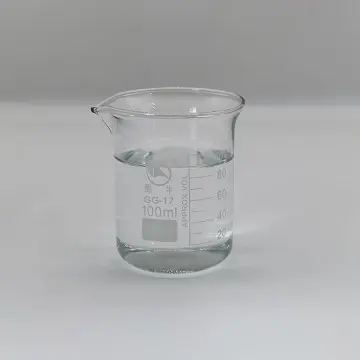
FS100 Semi-Bright Nickel Plating
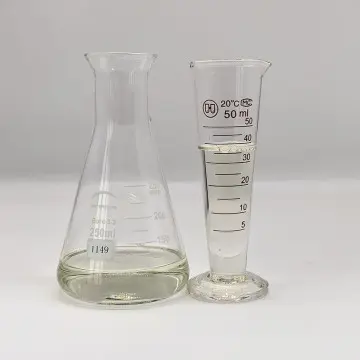
1149 Barrel Bright Nickel Plating
PBN Pearl Nickel
PBN Pearl Nickel
31685 Rapid Brightening Nickel Plating
31685 Rapid Bright Nickel Plating
J0-1 Ultra-Low Phosphorus Electroless Nickel
J0-1 Ultra-Low Phosphorus Electroless
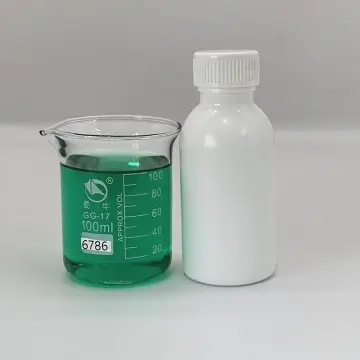
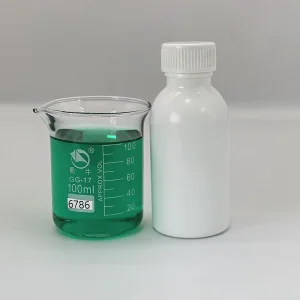
HITEC EN 6786 High Phosphorus Electroless Nickel
HITEC EN 6786 High Phosphorus
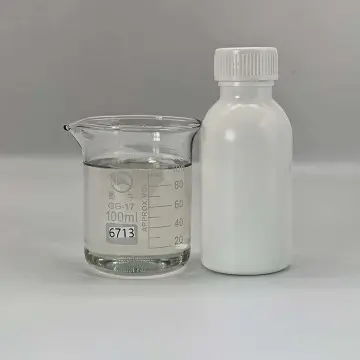
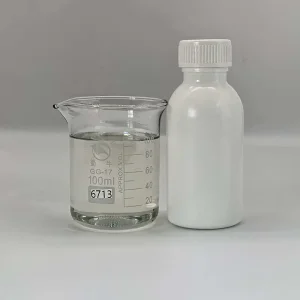
HITEC EN 6713 Mid Phosphorus Electroless Nickel
HITEC EN 6713 Mid Phosphorus
6185 Alkaline Zinc-Nickel Plating

Why Choose Us

Our commitment to excellence combines qualified personnel, responsive research and development, sustainable technologies, and dedicated support.

Personnel

Personnel

We employ qualified technical, sales, and service professionals focused on meeting our customers' operational needs.

R & D

R & D

Our flexible R&D centers in Wuhan and Shanghai develop tailored chemical formulations for demanding applications.

Technology

Technology

We develop high-performance surface finishing additives that align with current environmental and regulatory standards.

After-sales service

After-Sales Service

Our support teams assist with pre-sale consultations, bath setup, chemical analysis, and ongoing troubleshooting.

6. Industry Development Trends in Zi Ni Plating Technology

The surface finishing industry continues to evolve, driven by technical requirements and environmental regulations. Key trends shaping the future of Zi Ni plating include:

  • Transition from Acid to Alkaline Formulations: While acid-based Zn-Ni baths offer faster deposition rates, alkaline formulations (such as our 6185 Alkaline system) provide more uniform thickness distribution, especially on complex geometries, and help prevent hydrogen embrittlement.
  • Integration of Smart Plating Systems: Industrial lines are increasingly adopting automated dosing systems and real-time monitoring sensors. These tools track parameters like metal concentration, temperature, and pH, helping to maintain stable bath chemistry and reduce waste.
  • Development of Advanced Topcoats and Sealers: Coupling Zi Ni coatings with specialized thin-film organic or inorganic sealers helps optimize torque-tension properties for fasteners and further improves salt spray resistance.
  • Alternative Sacrificial Coating Systems: Research into ternary alloy systems, such as Zinc-Nickel-Cobalt or Zinc-Nickel-Iron, aims to provide higher thermal resistance and hardness for specialized industrial applications.

Frequently Asked Questions (FAQ)

Get answers to common technical queries about Zi Ni (Zinc-Nickel) alloy plating systems and chemical applications.

What is the optimal nickel content in Zi Ni plating?
The optimal nickel content in the plated alloy layer is between 12% and 15%. At this range, the deposit forms a single-phase gamma crystalline structure (Ni3Zn22), which provides high corrosion resistance, low hydrogen embrittlement risk, and good compatibility with subsequent trivalent passivations.
How does alkaline zinc-nickel plating compare to acid zinc-nickel systems?
Alkaline systems provide more uniform thickness distribution (throwing power) across complex geometries and minimize the risk of hydrogen embrittlement in high-strength steel. Acid systems offer faster plating rates and higher current efficiency but struggle with thickness consistency on recessed areas.
What is the function of ZN-318 Blue Trivalent Passivation?
ZN-318 is a trivalent chromium passivation system designed for zinc-nickel alloy layers. It forms a thin, protective conversion film that improves overall corrosion resistance and provides a clean blue finish without utilizing restricted hexavalent chromium (Cr VI).
How do you prevent hydrogen embrittlement in high-strength fasteners?
To prevent hydrogen embrittlement, we recommend using alkaline plating baths, which generate less hydrogen during electrodeposition, followed by a baking step (usually at 200°C for 4 hours) shortly after plating to release any trapped hydrogen from the steel.
Are Suzhou Hiyie’s plating additives compatible with existing automated lines?
Yes, our plating chemicals are formulated for use in both manual and fully automated barrel or rack plating lines. Our technical team assists with compatibility testing and bath adjustments during implementation.

Latest News

Stay informed with our company announcements, holiday notices, and industry updates.
Happy Chinese New Year
17 Feb 2026

The Snake ushers in blessings as we bid the old year farewell; The Horse brings spring as we embark on a new journey.

The Snake ushers in blessings as we bid the old year farewell;
The Horse brings spring as we embark on a new journey.
The New Year bell rings the prelude to progress;

Comprehensive Metal Finishing Portfolio

Explore our wide selection of functional plating chemicals, additives, and passivations.
1149 Barrel Bright Nickel Plating

1149 Barrel Bright Nickel Plating

View Details
HITEC EN 6713 A/B/C Mid Phosphorus Electroless Nickel

HITEC EN 6713 Mid Phosphorus Electroless

View Details
31685 Rapid Brightening Nickel Plating

31685 Rapid Brightening Nickel Plating

View Details
672 High-Speed Bright Acid Copper Plating

672 High-Speed Bright Acid Copper Plating

View Details
372 Alkaline Cyanide-Free Copper Plating

372 Alkaline Cyanide-Free Copper Plating

View Details
HITEC EN 6786 A/B/C High Phosphorus Electroless Nickel

HITEC EN 6786 High Phosphorus Electroless

View Details
6185 Alkaline Zinc-Nickel Plating

6185 Alkaline Zinc-Nickel Plating

View Details
ZN-318 Blue Trivalent Zinc-Nickel Passivation

ZN-318 Blue Trivalent Zinc-Nickel Passivation

View Details