Explore our specialized range of high-efficiency zinc brighteners, trivalent passivation treatments, and electroless nickel systems engineered for durability.
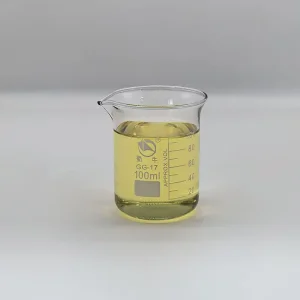
In modern metal finishing, the demand for high-performance zinc electroplating is expanding rapidly. Traditionally, zinc coatings were relied upon solely for basic sacrificial protection. However, the contemporary industrial framework requires a trifecta of exceptional corrosion resistance, impeccable aesthetic brilliance, and absolute environmental compliance.
As leading zinc brightener suppliers, we understand that chemical additive technologies are the cornerstone of this evolution. Old-generation acid and cyanide-based zinc baths are being phased out globally. High-efficiency cyanide-free alkaline plating systems, supported by state-of-the-art organic brighteners, have emerged to take their place. These advanced brighteners modify crystal growth at the molecular level, ensuring a refined, uniform, and highly reflective zinc layer across complex geometries.
By partnering with academic institutions and industrial chemistry R&D hubs, modern suppliers provide systemic answers to age-old issues such as hydrogen embrittlement, high thickness variations, and bath degradation. High-precision electrochemistry has allowed modern manufacturers to optimize the ratio of carriers, primary brighteners, and leveling agents to deliver stable production yields and significantly lower operating costs.
Achieving superior grain refinement in zinc electroplating relies on precise coordination of additive chemistry inside the bath.
Carriers establish a uniform protective barrier over the cathode surface. By restricting excessive zinc ion deposition at high current density (HCD) areas, they facilitate uniform metal distribution, avoiding burns and rough deposits.
Operating inside the double-layer interface, the primary brighteners interrupt large crystal formation. They force the nucleation of nano-scale zinc crystals, producing a smooth, glass-like reflective surface across the component.
Modern zinc electroplating is incomplete without passivation. Utilizing trivalent chromium (Cr3+) formulations instead of toxic hexavalent chemistry, our passivates react with the newly deposited zinc to form a robust, self-healing oxide barrier layer.
Purchasing departments in major industries such as automotive manufacturing, consumer electronics, and structural hardware face massive challenges regarding environmental mandates and supply stability. The requirements of top manufacturers (like Foxconn, Chint, and Stanley) include strict compliance with European REACH and RoHS standards, coupled with predictable performance parameters.
A reliable zinc brightener supplier must offer more than just raw chemicals; they must provide comprehensive batch consistency. Variations in additive concentrations can cause sudden quality drops, leading to line shutdowns, costly stripping procedures, or structural failure of plated parts due to insufficient zinc thickness.
A Professional Manufacturer of Advanced Organic Chemistry & Electroplating Formulations
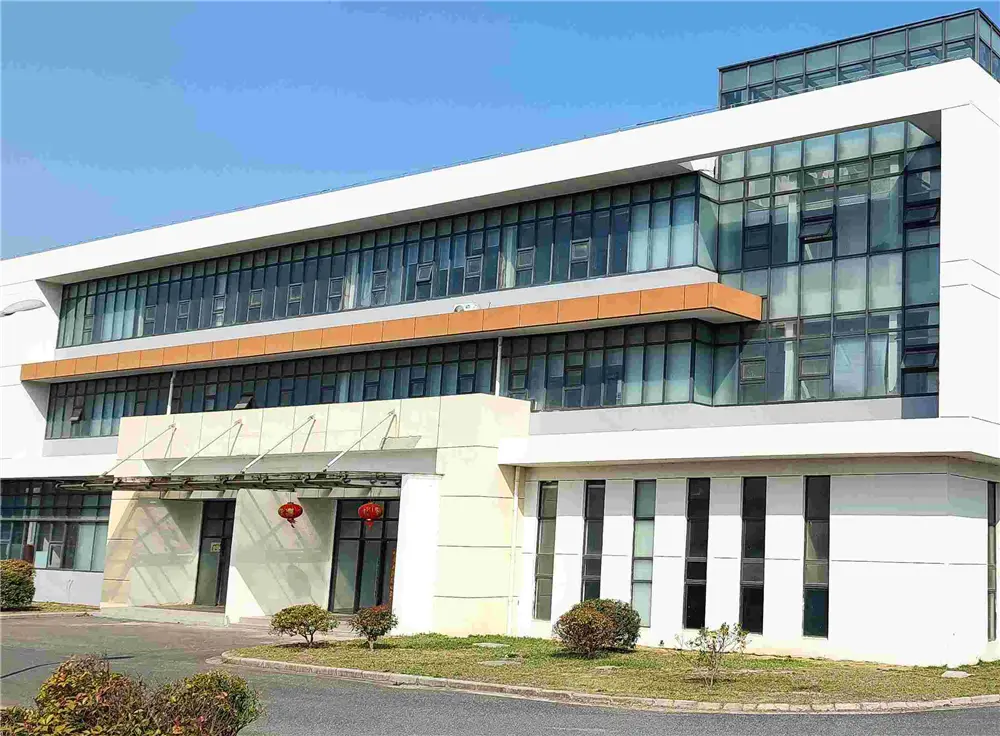
SUZHOU HIYIE CHEMICAL CO., LTD. offers a comprehensive product portfolio tailored for consumer electronics, communication equipment, the semiconductor industry, automotive hardware, craft gifts, and beyond. Collaborating with top chemical companies and leading universities, Hiyie has established a mobile R&D network dedicated to overcoming complex industrial challenges.
Since our inception, we have set up cutting-edge R&D institutions in Wuhan and Shanghai, positioning ourselves at the forefront of chemical innovation. Our marketing and technical support networks span the Pearl River Delta, Yangtze River Delta, and Bohai Rim regions. Hiyie's advanced formulations are widely integrated by industry giants including Foxconn Technology Group, Qinghai Salt Lake Group, Chint Group, Hongbao Group, Stanley Group, and Shifeng Group, establishing our reputation as a trusted, high-performance supplier.
We recruit and develop industry-leading chemists, technical service engineers, and sales experts dedicated to customer success and seamless troubleshooting.
Flexible research mechanisms allow us to customize polymer structures and organic additives to meet client-specific technical requirements.
Our technology roadmaps emphasize green chemistry, helping our clients minimize waste treatability burdens and conform to global environmental acts.
Detailed technical answers for procurement directors, plating managers, and quality control engineers.
Alkaline cyanide-free plating offers exceptional metal distribution (throwing power) across complex geometrical parts compared to acid zinc. It minimizes the risk of over-plating outer edges and yields highly uniform coatings. Furthermore, it avoids the highly toxic profile of cyanide baths and displays lower corrosivity to equipment compared to acid chloride baths.
We maintain complete batch control using high-performance liquid chromatography (HPLC) and Hull Cell testing for every production run. Our Wuhan and Shanghai R&D facilities constantly optimize organic formulations to guarantee consistent performance across varying bath temperatures and current densities.
Yes, our entire line of passivation additives, including the 216 High Corrosion-resistant Iridescent Trivalent Zinc Passivation, is formulated without hexavalent chromium (Cr6+). They fully meet current RoHS, REACH, and global automotive end-of-life vehicle (ELV) environmental mandates.
Higher bath temperatures increase the rate of organic oxidation, elevating brightener consumption. Hiyie designs high-stability organic molecules that tolerate elevated temperatures, allowing plants to minimize cooling energy consumption without suffering severe additive loss.
Stay informed about global chemical standards, technological updates, and corporate developments.
Premium solutions for nickel, copper, and specialized alloy plating, formulated to guarantee performance under demanding industrial conditions.
 HIYIE
HIYIE